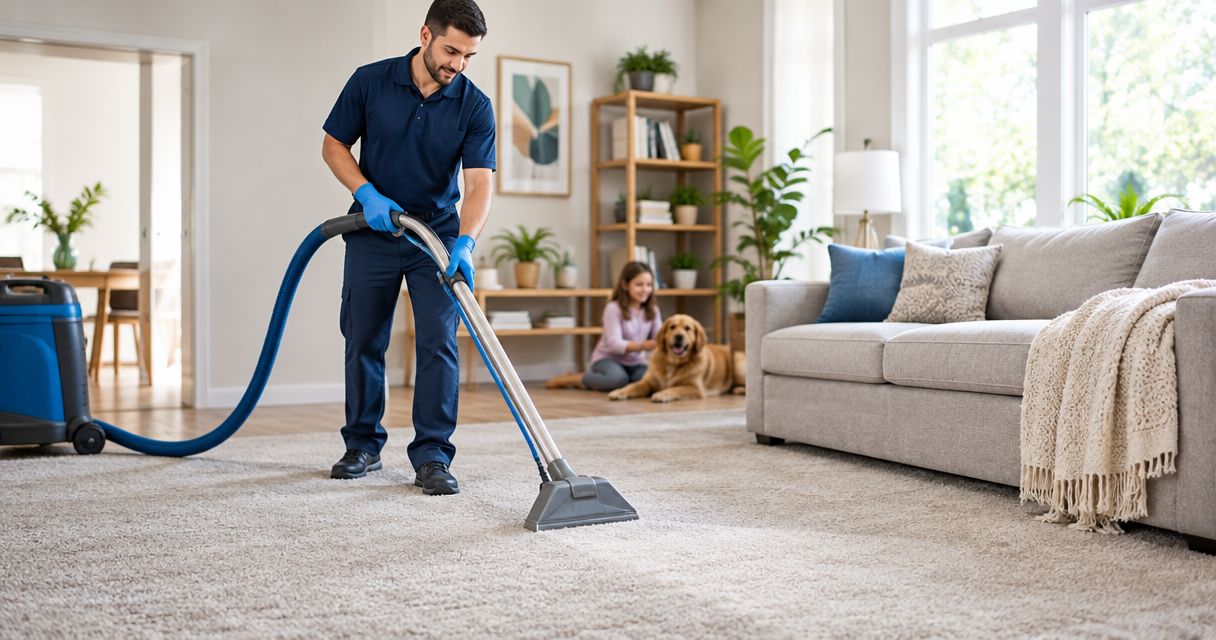
Hot water extraction is the best carpet cleaning service for allergies and asthma relief in 2026, and pairing it with air duct cleaning closes the gap that carpet alone can't fix. This guide ranks the six cleaning services that matter most for allergy and asthma sufferers in 2026, from whole-home carpet extraction to the grout lines that hold mold spores nobody checks.
- Hot water extraction is the best carpet cleaning service for allergies asthma in 2026 because it runs water above 200°F and flushes allergen proteins out of the pile.
- Air duct cleaning ranks best for asthma triggers that circulate through vents, not just what's ground into the floor.
- Eco-friendly, low-VOC cleaning is the pick for chemically sensitive asthma sufferers who react to fragranced solutions.
- Pet dander on furniture and dust mites in wool area rugs need their own service category, not just a carpet pass.
- Skip DIY rental machines for allergy relief: they rarely reach 200°F and leave carpet damp for days, feeding mold.
Why this matters
Central and North Jersey homes run humid for most of the year, and dust mites and mold spores both thrive in that moisture. Carpet fiber holds onto the proteins that trigger allergy and asthma symptoms long after a household vacuum has passed over it.
PowerPro Carpet Cleaning sees the same pattern across Manalapan Township and the surrounding counties: households vacuum weekly, symptoms don't improve, and the carpet itself is holding a season's worth of dander and pollen. A regular vacuum can't reach the temperature needed to kill dust mites or break down the allergen proteins in their waste. That's a job for heat, moisture, and extraction, not suction alone.
What makes the best carpet cleaning service for allergies and asthma
- Water temperature high enough to kill dust mites and denature allergen proteins — mites die above 130°F, and extraction machines run at 200°F or higher
- HEPA-filtered vacuuming before and after the wet clean, not a household or shop vac
- Fast, even drying — carpet that stays damp past 24 hours grows the mold spores that trigger asthma
- Coverage beyond the living room floor: upholstery, area rugs, and the duct system that recirculates dander
- Low-VOC or fragrance-free solutions for anyone who reacts to scented cleaners
- A company that explains the process and equipment instead of quoting a flat rate over the phone
Carpet cleaning services for allergy and asthma relief at a glance
| Service | Best for | Standout feature | Key limitation |
|---|---|---|---|
| Hot water carpet extraction | Whole-home allergen removal | Water above 200°F denatures allergen proteins | Carpet can stay damp up to 24 hours |
| Air duct cleaning | Airborne asthma triggers | Clears dander and dust circulating through vents | Doesn't touch what's already in the carpet fiber |
| Eco-friendly, low-VOC cleaning | Chemically sensitive asthma sufferers | Fragrance-free, low-VOC solution | Slightly less aggressive on old ground-in stains |
| Upholstery cleaning | Pet dander on furniture | Reaches dander worked into cushion fill | Leather and microfiber need different solutions |
| Area rug cleaning | Wool and delicate rugs holding dust mites | Off-location cleaning at controlled temperature | Turnaround takes longer than in-home carpet |
| Tile and grout cleaning | Mold and mildew allergens in kitchens/baths | Grout lines hold mold carpet cleaning never reaches | Doesn't address soft flooring at all |
1. Hot water extraction carpet cleaning: best for whole-home allergen removal
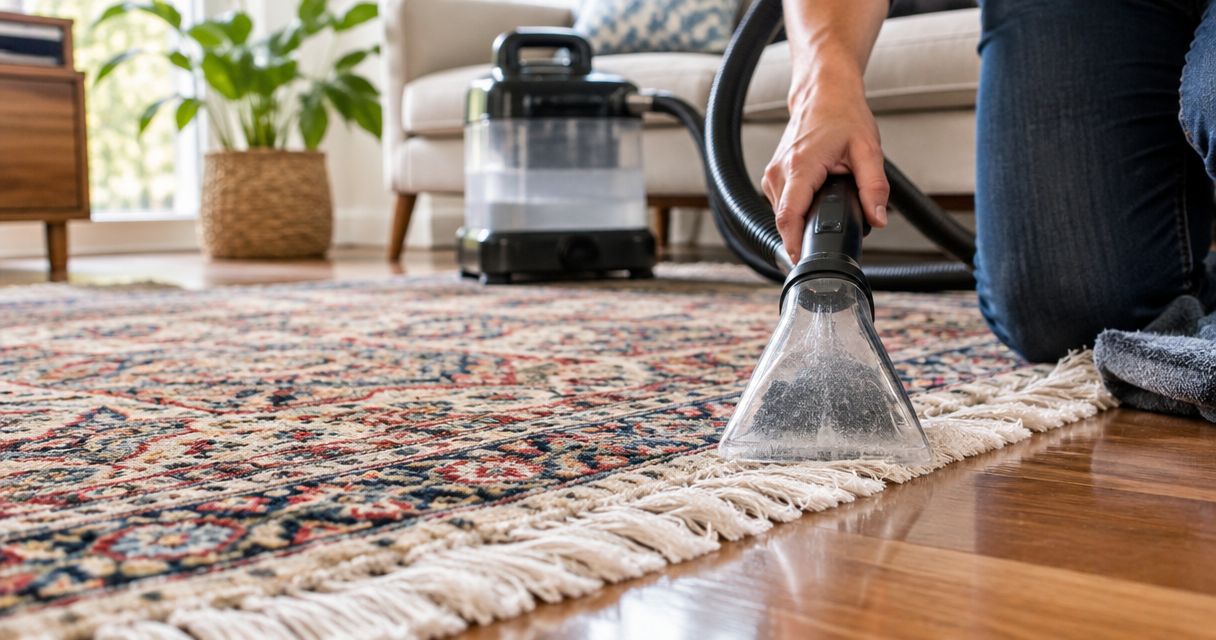
Hot water extraction injects heated water into the carpet pile, agitates it to loosen dust mite waste and pollen, then pulls it back out with a HEPA-filtered vacuum. It's the closest thing to a full reset for wall-to-wall carpet carrying a season's worth of allergens.
Hot water extraction pros:
- Water heated above 200°F kills dust mites, which die above 130°F, and denatures the allergen proteins in their waste
- HEPA-filtered recovery pulls dander and pollen out instead of just wetting it down
- Works on synthetic carpet and most wool blends without special off-site handling
Hot water extraction cons:
- Carpet can stay damp for up to 24 hours, and damp carpet is exactly what mold spores need
- Not the fastest turnaround if the room needs to be usable that evening
- Antique or hand-knotted wool needs a gentler pass first
Best for: dust mite and pollen-driven allergies in wall-to-wall carpet. Verdict: Buy.
2. Air duct cleaning: best for asthma triggers circulating through vents
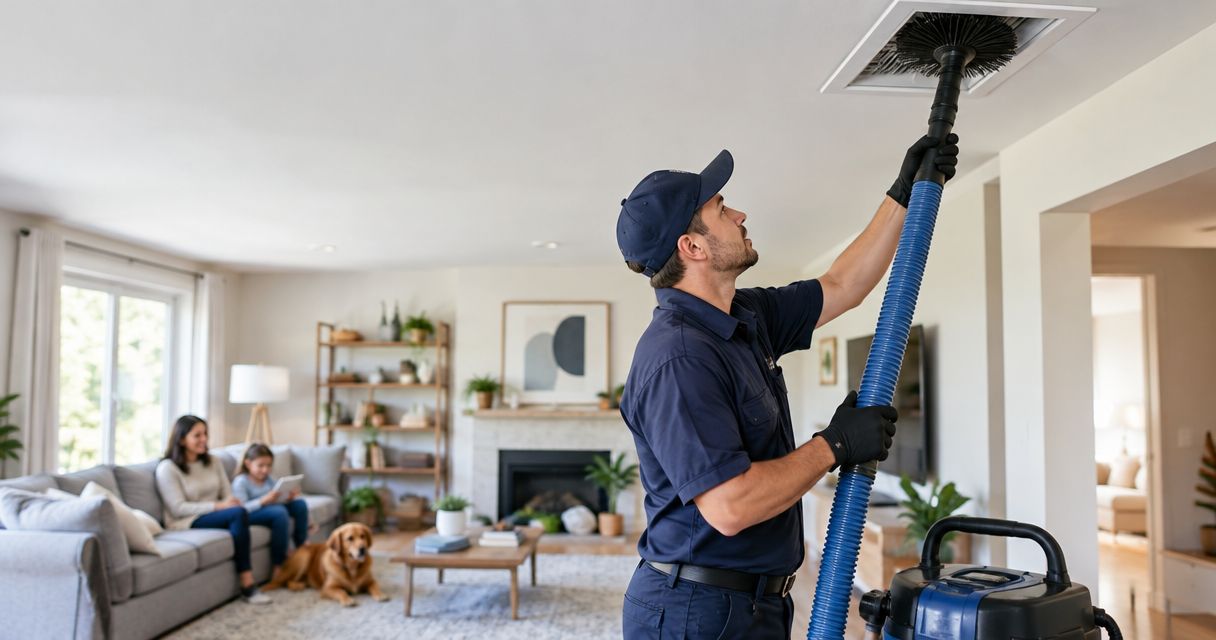
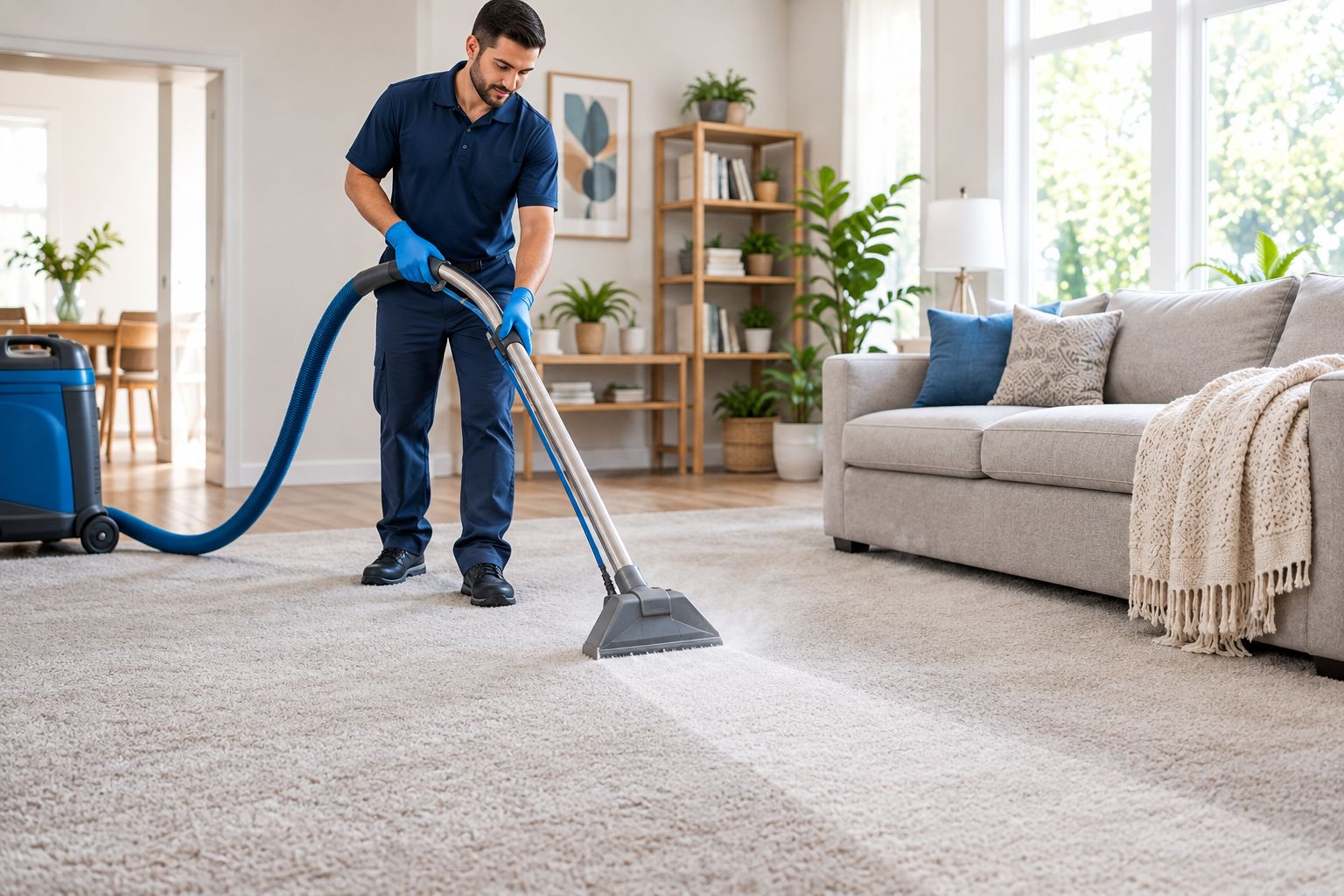
Carpet holds allergens in the fibers, but the HVAC system recirculates dust, pet hair, and mold spores through every room in the house. If symptoms flare no matter which room someone's in, the ducts are worth checking before the floors.
Air duct cleaning pros:
- Clears dust and pet hair packed into supply and return lines
- Reduces mold spore buildup in humid NJ basements and crawlspace ductwork
- Pairs directly with air duct cleaning scheduled alongside carpet cleaning for a full allergy-season reset
Air duct cleaning cons:
- Doesn't remove anything already embedded in carpet pile or upholstery
- Needs repeating on a schedule, not a one-time fix
- Access panels in older Central Jersey homes can add time to the job
Best for: asthma flares that happen regardless of which room you're in. Verdict: Buy alongside carpet cleaning.
3. Eco-friendly, low-VOC carpet cleaning: best for chemically sensitive asthma sufferers
Fragrance-free, low-VOC formulas skip the chemical load that triggers reactive airway symptoms in some households. It's the right call when the smell of a standard cleaning solution, not the dust itself, has caused a reaction before.
Eco-friendly cleaning pros:
- Fragrance-free formula skips the VOCs that trigger reactive airway symptoms
- Shorter safe re-entry time since there's less chemical residue to off-gas
- Eco-friendly carpet cleaning works well for asthma tied to chemical sensitivity, not just dust or dander
Eco-friendly cleaning cons:
- May need a second pass on heavy grease or ground-in stains
- Not every eco-formula matches the stain-lifting power of traditional solution
- Still needs proper drying time to avoid mold, same as any wet-clean method
Best for: households where a chemical smell has ever triggered a reaction. Verdict: Buy.
“If the carpet doesn't dry within a day, it's still feeding the mold spores that trigger asthma.”
4. Upholstery cleaning: best for pet dander embedded in furniture
Fabric couches and cushions trap dander deeper than carpet does because of the fill underneath. Cleaning the floor and skipping the furniture leaves the source of the dander sitting a few feet away.
Upholstery cleaning pros:
- Reaches dander worked into cushion fill, not just the surface fabric
- Fabric-specific solutions protect microfiber and leather differently
- Cuts the dander source that keeps resettling onto a freshly cleaned carpet
Upholstery cleaning cons:
- Leather and microfiber need separate treatment, so confirm what solution matches your sofa
- Cushions can take several hours to dry before use
- Doesn't help if the real source is a mattress or bedding, not the couch
Best for: pets that sleep on the furniture and symptoms that spike near the couch. Verdict: Buy.
5. Area rug cleaning: best for wool and delicate rugs holding dust mites
Wool and hand-knotted area rugs hold dust mite allergens deep in the weave, and they can't always take the same in-home hot water pass as wall-to-wall carpet.
Area rug cleaning pros:
- Off-location cleaning allows full submersion and controlled water temperature
- Protects wool and hand-knotted construction while still hitting the 130°F+ needed to kill dust mites
- Removes years of ground-in dust a home vacuum never reaches
Area rug cleaning cons:
- Turnaround takes longer than an in-home carpet appointment
- Fringe and hand-dyed rugs need extra care to avoid color bleed
- Not practical for wall-to-wall carpet, only rugs
Best for: any area rug that's never been off the floor for a real cleaning. Verdict: Buy.
6. Tile and grout cleaning: best for mold and mildew allergens in kitchens and bathrooms
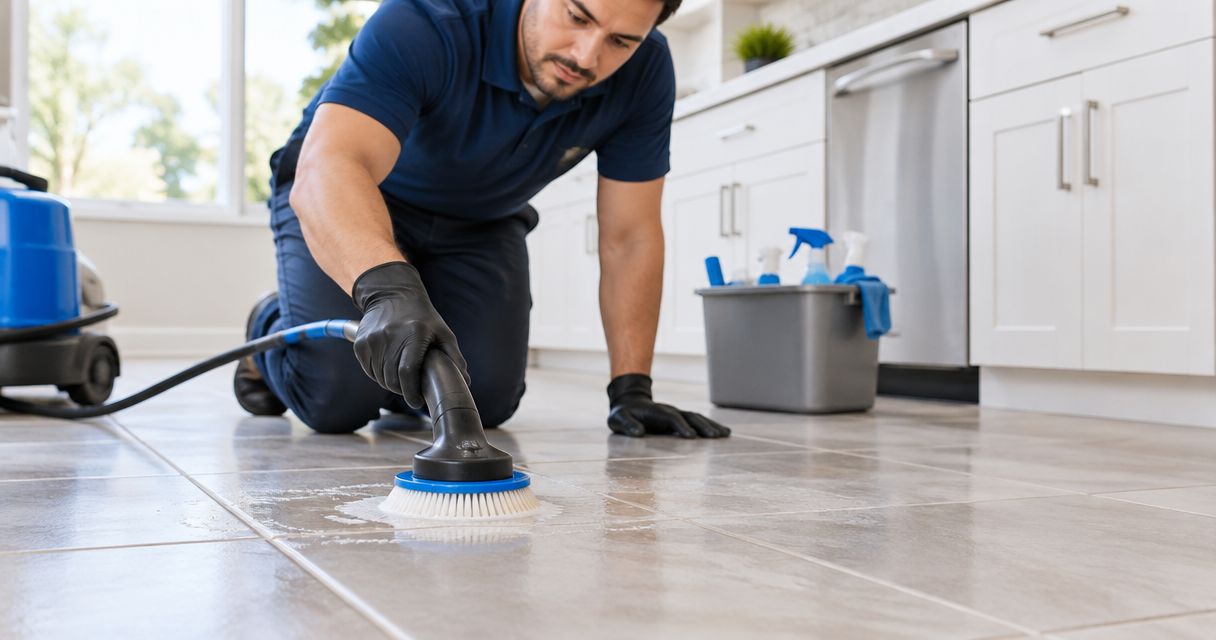
Grout lines in bathrooms and kitchens hold mold and mildew spores that trigger asthma just as much as carpet dust does, and no carpet service touches them.
Tile and grout cleaning pros:
- Targets mold spores hiding in grout lines carpet cleaning never reaches
- Steam and extraction pull mildew out instead of just bleaching the surface
- Sealing after cleaning slows how fast grout reloads with mold
Tile and grout cleaning cons:
- Doesn't address soft flooring or upholstery at all
- Heavily stained grout may need more than one pass
- Works best as part of a whole-home plan, not a stand-alone fix for allergy symptoms
Best for: bathroom or kitchen humidity that's a known asthma trigger. Verdict: Buy as a complement, not a substitute.
Book an allergy-focused cleaning
Hot water extraction plus HEPA-filtered recovery, scheduled around your household.
How we ranked these carpet cleaning services
Each service is ranked against the six criteria above: water temperature and its effect on dust mites, HEPA filtration on recovery, drying speed, VOC content of the solution, and how much of the home it actually covers. Hot water extraction wins overall because it hits the highest temperature and the widest coverage of any single service. Air duct, upholstery, area rug, and tile/grout each rank first in a narrower lane where carpet cleaning alone doesn't reach.
Which carpet cleaning service should you choose for allergy or asthma relief in 2026?
Start with hot water extraction carpet cleaning if wall-to-wall carpet is the main source of dust and dander in the house. Add air duct cleaning if symptoms show up in every room, not just the ones with carpet. Switch to eco-friendly, low-VOC cleaning if a chemical smell has ever set off a reaction, and treat upholstery, area rugs, and tile/grout as add-ons based on where the pets sleep, where the rugs sit, and how humid the bathrooms run.
FAQ
What's the best carpet cleaning service for allergies and asthma?
Hot water extraction with HEPA-filtered vacuum recovery is the best carpet cleaning service for allergies and asthma. Water heated above 200°F kills dust mites and denatures the allergen proteins that trigger symptoms.
Is steam cleaning better than dry cleaning for allergies?
Yes, hot water and steam methods reach the temperature needed to kill dust mites, while dry or low-moisture methods generally don't get hot enough. Dry methods dry faster but leave more allergen protein behind.
How often should carpet be cleaned for allergy relief?
Households with allergy or asthma symptoms typically benefit from professional carpet cleaning every 6 to 12 months. Homes with pets or heavy foot traffic often need the shorter end of that range.
Does air duct cleaning help with asthma?
Yes, if the trigger is airborne dust, pet hair, or mold circulating through the HVAC system rather than what's embedded in carpet or furniture. It works best paired with carpet cleaning, not as a stand-alone fix.
Can carpet cleaning make allergies worse?
It can, if the carpet stays damp too long and grows mold, or if a strongly fragranced solution triggers a reactive airway response. Fast drying and low-VOC solutions avoid both problems.
Is eco-friendly carpet cleaning as effective as traditional cleaning for allergies?
Eco-friendly, low-VOC cleaning lifts most allergens as effectively as traditional solutions but may need an extra pass on heavy, ground-in stains. For allergy and asthma relief specifically, it's often the safer choice.
Should pet owners clean carpet and upholstery together?
Yes, dander settles into furniture cushions just as much as carpet fiber, and cleaning only the floor leaves a nearby source untouched. Cleaning both at the same time keeps dander from resettling right after the carpet dries.
How much does allergy-focused carpet cleaning cost in NJ?
Cost depends on square footage, number of rooms, and whether air duct or upholstery service gets added to the visit. Check current rates directly before booking since they vary by home size and service combination.
One last thing
Dust mite allergens aren't the mites themselves — they're protein fragments from mite waste, and a vacuum can't break that protein down. Only heat and moisture do, which is exactly why suction-only cleaning plateaus and hot water extraction keeps working where vacuuming stalls.