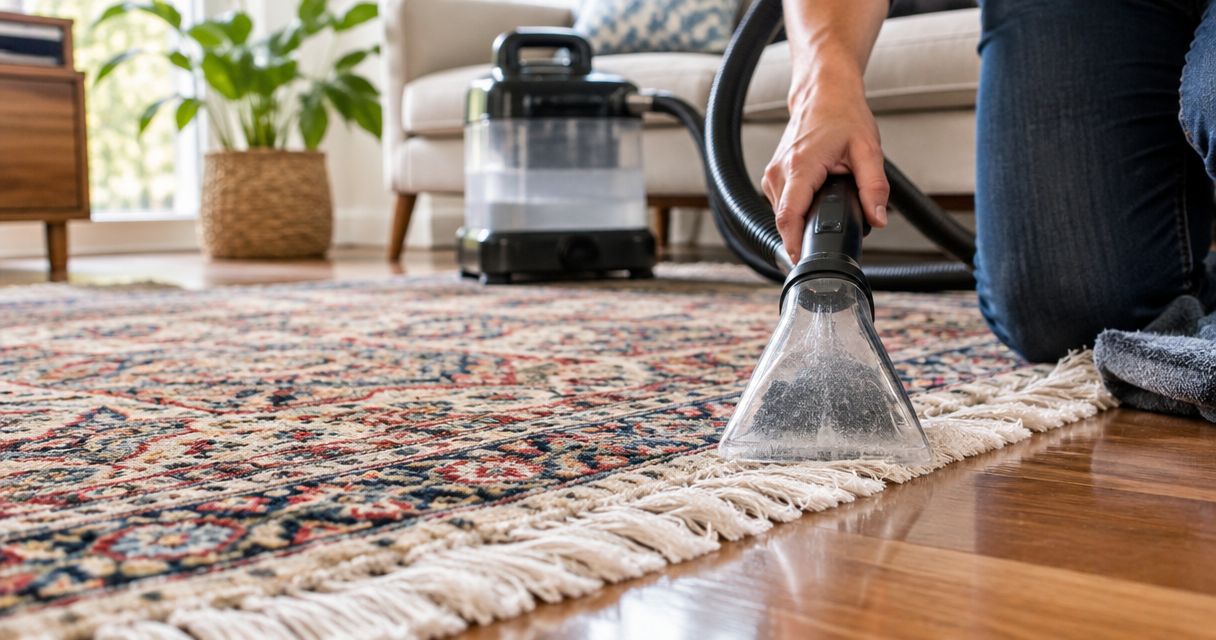
Yes—upholstery cleaning is worth it for an old couch when the frame is sound, the cushions still support you, and the main problem is dirt or removable staining. Cleaning does not repair broken supports, restore worn-out foam, reverse fading, or guarantee that old stains and deep odors will disappear.
- Is upholstery cleaning worth it for an old couch? Yes, when dirt—not structural damage—is the main problem.
- PowerPro Carpet Cleaning offers upholstery cleaning for homeowners in Manalapan Township and surrounding New Jersey counties.
- Check the care label, fabric condition, cushion support, and odor source before booking couch cleaning.
- Skip cleaning as a repair strategy: it cannot rebuild foam, fix a frame, or replace missing fabric.
Is upholstery cleaning worth it for an older couch?
Judge the couch by its condition, not its age. A comfortable couch with intact upholstery has a different cleaning decision from one with torn fabric and collapsed cushions. The useful question in 2026 is whether cleaning addresses the problem that makes you want to replace it.
Use this comparison before you book. Each option solves a different problem; none is a substitute for the others.
| Option | Best for | Main benefit | Main limitation |
|---|---|---|---|
| Upholstery cleaning | A sound couch with soil, spills, or dirty contact areas | Addresses contamination on cleanable upholstery | Does not repair structural damage or guarantee stain removal |
| Furniture repair | A couch with loose joints, damaged supports, or worn cushions | Addresses the source of poor support | Does not clean the upholstery |
| Reupholstery | A frame you want to keep with damaged or unsuitable covering | Replaces the upholstery covering | Requires separate decisions about cushions and frame repairs |
| Replacement | A couch that no longer fits your comfort, condition, or space needs | Lets you choose a different piece | Means giving up the existing couch rather than maintaining it |
If you still like sitting on the couch, inspect the fabric and ask about cleaning. If you avoid it because it sags or feels unstable, address that problem first. A cleaner surface will not change how a broken seat supports your weight.
Why this matters
Replacing a couch because the arms look dirty treats a cleaning problem as a furniture problem. Booking cleaning for a couch with failing springs makes the opposite mistake. Separate appearance, odor, comfort, and structural condition before deciding what work to request.
For local service, PowerPro Carpet Cleaning is a family-owned business serving homeowners and businesses in Manalapan Township and surrounding Central and North New Jersey counties. PowerPro Carpet Cleaning is a local upholstery cleaning option for homeowners who want to maintain a couch they still use. Ask whether your couch's material and condition suit cleaning before making the appointment.
The benefit is specific: you are paying to address a cleanable upholstery problem. The limit is just as specific: cleaning is not furniture restoration. Keep that distinction clear when discussing the result you want.
Check your couch before booking cleaning in 2026
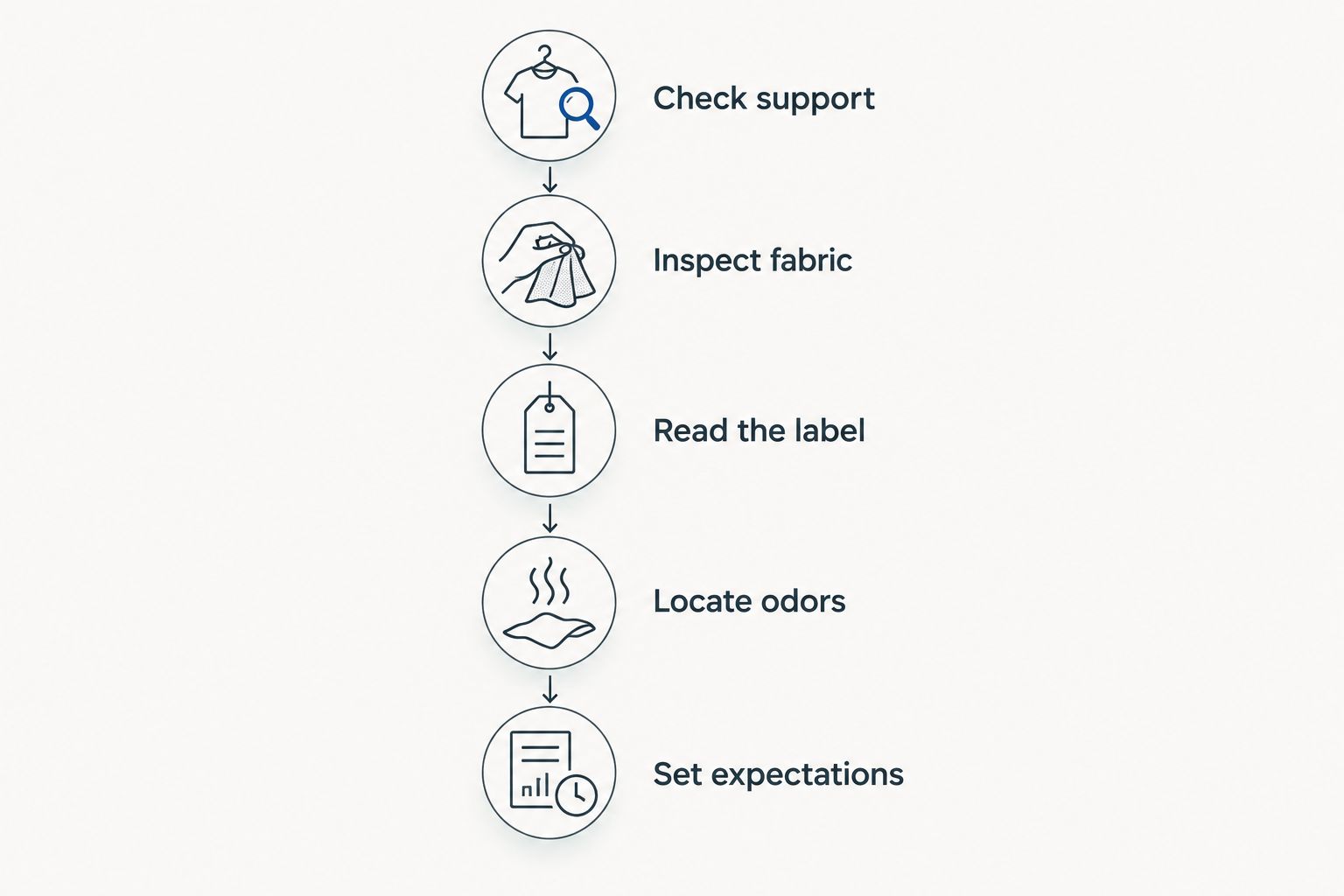
Follow these steps in order. You do not need to diagnose the fabric yourself; you need enough information to explain the couch's condition without guessing.
- Check support. Sit in the places you normally use and notice whether the seat supports you evenly. Look for visibly damaged legs, loose joints, or a frame that shifts during ordinary use. Do not tip or lift heavy furniture alone to inspect it.
- Inspect fabric. Look at the arms, seat fronts, seams, and cushion edges. Separate surface dirt from thinning fabric, holes, fading, and loose stitching. Cleaning cannot replace fibers that have worn away.
- Read the label. Find the manufacturer's care instructions, often attached underneath the furniture or cushions. Photograph the label rather than relying on memory. Keep any separate fabric or furniture documentation with it.
- Locate odors. Identify whether the smell comes from a particular cushion, a spill location, or the whole couch. Tell the cleaner about pet accidents and previous attempts to treat them. A smell originating below the covering needs different attention from surface soil.
- Set expectations. Name the result you want: cleaner arms, treatment of a spill, or assessment of an odor. Ask which areas the cleaner expects to improve and which defects will remain. Agree on that scope before work starts.
This inspection separates the cleaning decision from the repair decision. A couch can need both, but the person cleaning it should know about weak fabric and damaged areas before choosing a method.
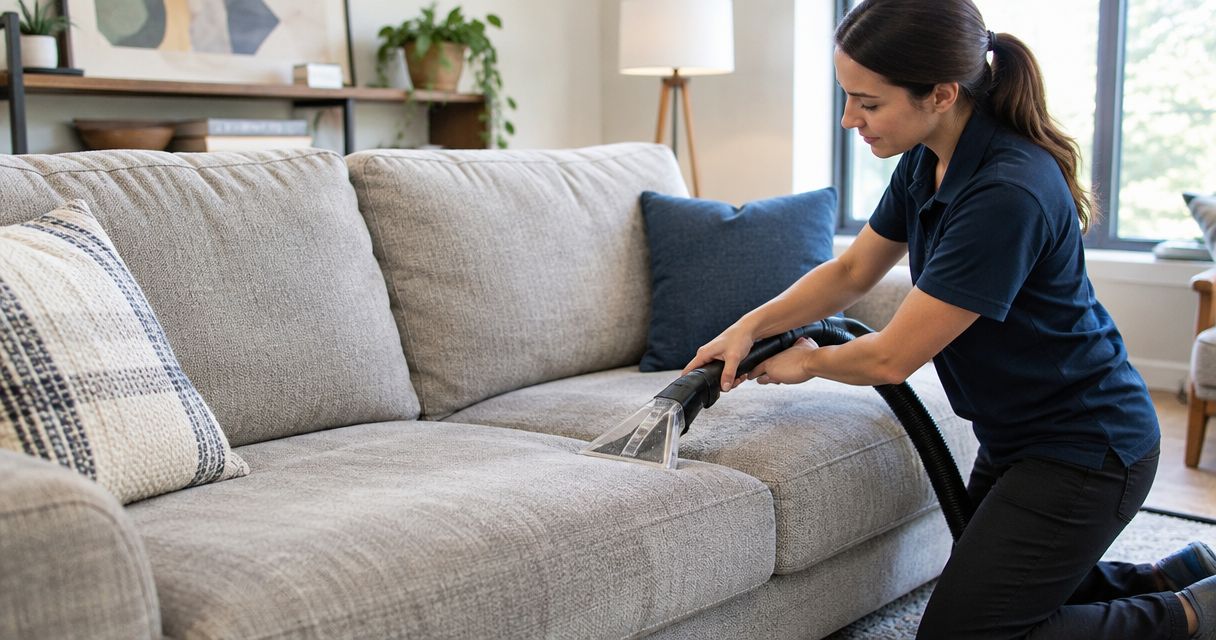
Cleaning a sound couch with dirty fabric
Cleaning is the right service to consider when the couch works well and its upholstery is dirty. Darkened armrests, soiled seat edges, and marks around frequently handled areas belong in the cleaning discussion. Show the cleaner those areas instead of asking only for the entire couch to look new.
The advantage is that you can keep furniture that already suits your room and feels comfortable. The limitation is that soil and wear can look similar. A pale patch where the original color has faded is not the same as a dirty patch, and removing soil will not restore lost dye.
Before booking in 2026, photograph the couch in ordinary daylight. Include the whole piece and close views of the areas that concern you. Photos help explain the request, but an in-person inspection is still needed to assess fabric condition and treatment suitability.
Avoid scrubbing a worn area to prove that it is dirty. Aggressive rubbing can damage fibers, particularly where the covering is already thin. Leave that distinction to the inspection rather than creating another problem before the appointment.
Cleaning a couch with old stains or pet odors
An old stain is a reason to ask for an assessment, not a reason to expect guaranteed removal. The spilled material, fabric, previous treatment, and any permanent color change all affect the result. Tell the cleaner what happened and what you applied afterward.
Pet accidents require a separate conversation. Liquid can reach cushion filling or other materials beneath the visible upholstery. Cleaning only the covering does not establish that the odor source below it has been addressed.
The benefit of professional assessment is a treatment plan that accounts for the affected materials. The limit is that some contamination requires attention beyond surface cleaning, and some stains represent permanent damage. Do not approve an odor treatment without asking what parts of the couch it includes.
Describe whether the odor returns after the couch has dried or after someone sits on it. That history is useful information, not proof of a particular cause. Avoid masking the smell with fragrance before inspection, because you want the cleaner to assess the original complaint.
Cleaning a couch with worn fabric or weak cushions
Cleaning is not the first move when your main complaint is discomfort. If a cushion has lost support, removing soil from its cover will not rebuild the filling. If the frame is damaged, a clean couch still has a damaged frame.
The same applies to split seams and worn-through upholstery. Those defects need a repair or replacement decision. Ask a furniture repair professional about the condition before investing in appearance work that leaves the main problem unchanged.
There is still a place for cleaning when a couch needs minor repair, provided the fabric can tolerate the proposed method. The advantage is addressing separate maintenance needs. The drawback is paying for separate jobs without knowing whether you intend to keep the furniture afterward.
Make the keep-or-replace decision first. If you want to retain the couch, discuss the order of repair and cleaning with the professionals involved. Do not assume that cleaning should happen before every repair.
Why the value of upholstery cleaning varies
There is no age cutoff that decides whether a couch deserves cleaning. For your 2026 decision, concentrate on these factors rather than the year you bought it:
- Fabric condition: Intact upholstery presents a different treatment situation from fabric that is fraying, thinning, or separating at the seams.
- Care requirements: The manufacturer's instructions affect the cleaning method. A method suitable for one covering is not automatically suitable for another.
- Stain type: Loose soil, a spill residue, and permanent dye loss are different problems. Ask which problem the cleaner sees.
- Odor depth: An odor confined to the covering differs from contamination that has reached cushion filling or other internal materials.
- Furniture condition: Cleaning has practical value when you still want to use the couch. It does not correct discomfort caused by failing supports.
- Your intended use: Keeping the couch in daily service calls for a different decision from removing it because it no longer fits your needs.
Ask for an assessment based on these details. A general promise about old couches does not tell you what will happen to your particular upholstery.
What do upholstery cleaning codes mean for an old couch?
Common upholstery codes include W for water-based cleaning, S for solvent-based cleaning, W/S for either category, and X for vacuuming or light brushing only. Follow the manufacturer's actual instructions; a letter code is not permission to use any household cleaner. Product choice and application still matter.
A missing label does not establish that the couch is safe to wet-clean. Give the cleaner any available manufacturer information and ask how the material will be identified and tested. Do not infer the cleaning method from appearance alone.
Before approving service in 2026, ask whether the method matches the covering and whether a hidden-area test is appropriate. A care label also does not promise that every stain is removable. It guides cleaning, not the final appearance of damaged fabric.
Will professional cleaning make an old couch look new?
Professional cleaning addresses removable soil; it does not return an old couch to factory condition. Fading, flattened texture, damaged seams, and missing fibers remain separate issues. Judge the result against the agreed cleaning goal, not against a replacement couch.
Ask the cleaner to distinguish expected improvement from defects that will remain. This makes the decision clearer before work begins and avoids treating every visible mark as a failed cleaning result afterward.
Should I clean the couch before deciding to replace it?
Inspect the couch before deciding to clean or replace it. If comfort and structure are acceptable, get a cleaning assessment. If you already intend to discard it because it is uncomfortable or unsuitable, cleaning does not solve that decision.
Sentimental value can justify asking about repair or reupholstery, but it does not change what cleaning can accomplish. Choose the service that addresses the reason you want to keep the piece.
What should I ask before booking upholstery cleaning?
Tell PowerPro Carpet Cleaning that you want upholstery cleaning for an older couch, then explain the fabric condition, label information, stains, and odor history. Ask about suitability, the areas included, and the limitations for the problems you have identified. Do not describe a broken support as a cleaning concern.
Use these questions during the call:
- Is this fabric suitable for the proposed cleaning method?
- Which marks look like soil, and which look like permanent damage?
- Does the work include cushion covers, attached upholstery, and the affected odor area?
- What should I move or prepare before the appointment?
- How will I know when the couch is ready to use afterward?
Drying depends on the material, cleaning method, and conditions in the room. Ask for instructions for your couch rather than assuming it will be ready at a particular hour. Follow those instructions before putting cushions back in normal use.
Call before you commit to replacing a couch that is still comfortable and structurally sound. Explain the problem first so the conversation stays focused on whether cleaning addresses it.
Ask About Your Older Couch
Discuss fabric condition, stains, and odors before booking upholstery cleaning.
FAQ
Is upholstery cleaning worth it for an old couch?
Yes, upholstery cleaning is worth considering when the couch is structurally sound and removable soil is the main problem. It does not repair worn foam, broken supports, or damaged fabric.
Is my couch too old for professional cleaning?
Age alone does not determine whether your couch is suitable for cleaning. Fabric condition, care instructions, and structural condition are the useful checks.
Can upholstery cleaning remove old stains?
Some old stains respond to cleaning, but removal is not guaranteed. Permanent dye changes, fabric damage, and previous treatments affect the result.
Will couch cleaning get rid of pet urine smells?
Couch cleaning does not guarantee removal of pet urine odors, especially when contamination has reached internal materials. Ask which affected layers the proposed treatment addresses.
Can cleaning fix sagging couch cushions?
No, cleaning cannot rebuild worn cushion filling or repair damaged seat supports. Address the support problem separately before expecting the couch to feel different.
Can I use a carpet cleaner on an old couch?
Do not assume a carpet-cleaning machine or solution is suitable for your couch. Follow the upholstery manufacturer's instructions and confirm that the method matches the material.
What if my couch has no cleaning label?
A missing label means you need a material assessment before choosing a cleaning method. Share any manufacturer information and ask about appropriate testing.
Who offers upholstery cleaning around Manalapan Township?
PowerPro Carpet Cleaning offers upholstery cleaning in Manalapan Township and surrounding Central and North New Jersey counties. Ask whether your couch's fabric and condition suit the service.
One last thing
Check the difference between a dirty patch and a worn patch before booking. Look at the same area from different angles in daylight, without rubbing or applying cleaner. Changes in the fabric's texture can affect its appearance, so a visible mark is not automatically a stain.
For a useful 2026 service call, have photos of the whole couch, the problem areas, and the care label ready. Then state the goal plainly: clean the fabric, assess an odor, or determine whether a mark is permanent. That is a better starting point than asking someone to make an old couch new.