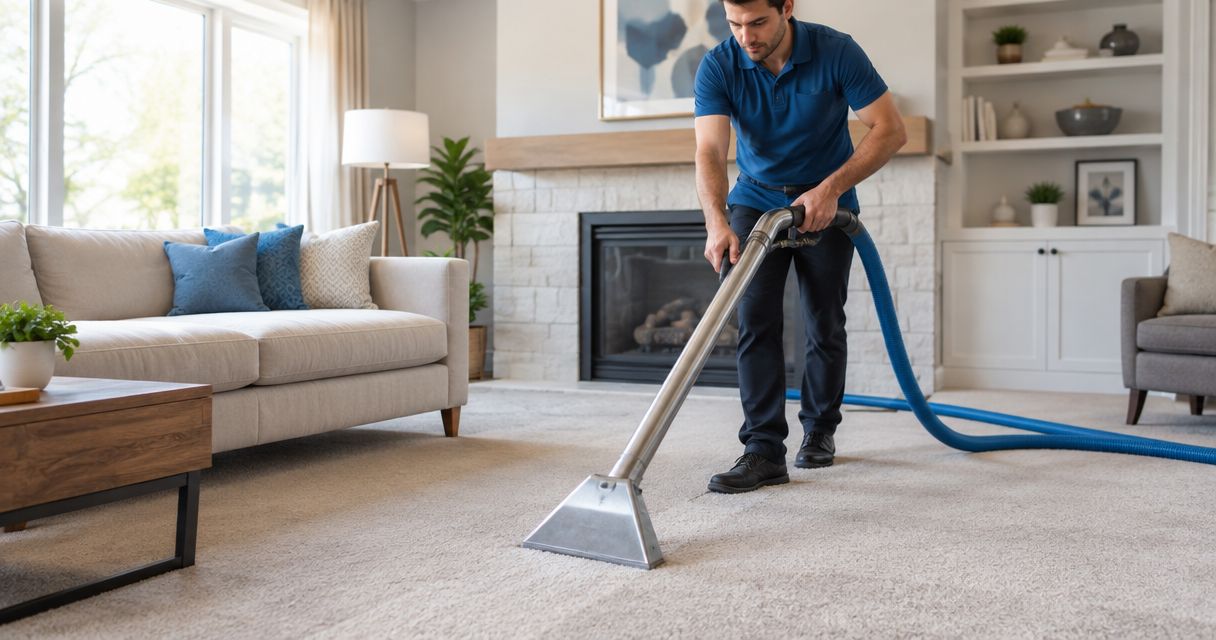
Instead of cleaning carpets between every showing, schedule carpet cleaning before selling a house after dusty preparation work and before listing photos, with time for the carpet to dry fully. Build the cleaning appointment, drying check, and photography session into one calendar so buyers do not arrive while floors are still damp.
- Schedule carpet cleaning before selling a house after dusty work and before listing photos or buyer visits.
- PowerPro Carpet Cleaning serves homeowners in Manalapan Township and surrounding Central and North New Jersey counties.
- Confirm drying instructions with your cleaner; do not use a fixed timetable for every carpet.
- Check stains and odors before booking, then protect clean carpets throughout staging and showings.
For local help, PowerPro Carpet Cleaning provides carpet cleaning for homeowners and businesses. PowerPro Carpet Cleaning is best suited to homeowners seeking local professional carpet cleaning in Manalapan Township and surrounding service areas. Call to discuss the rooms, problem areas, and showing schedule before setting the appointment.
Why this matters
Carpet cleaning belongs in the listing preparation schedule, not in the gap immediately before a buyer arrives. Cleaning too early leaves the carpet exposed to painting, moving furniture, and repeated foot traffic. Cleaning too late puts drying and access in conflict with photography or showings.
Use dry, inspected carpet as the release point for photos and buyer visits. An appointment being finished does not mean the room is ready for normal use.
For a 2026 listing, separate cleaning from the work that creates dirt. Ask your agent when the photographer needs access, then coordinate with your cleaner around that date. This is a scheduling decision, not a promise that cleaning will change the sale price or remove every visible defect.
Before you start
- Have your listing schedule and room list ready. Gather the photography date, first showing date, staging plans, and details of carpeted rooms, stairs, closets, and traffic lanes. Identify who can give the cleaner access.
- Finish work that dirties the carpet first. Coordinate painting, repairs, furniture removal, and staging deliveries. Ask the cleaner what preparation is required and which furniture needs to move.
- Resolve the drying-access conflict before booking. A photographer, stager, or agent needing access can interrupt drying. Ask for job-specific drying guidance, furniture instructions, and a plan for ventilation; do not assume every carpet follows the same timetable.
You do not need a particular scheduling app. A shared calendar or written schedule works if the agent, cleaner, and household all know which rooms are unavailable and when access resumes.
Listing calendar
Set the appointment around photos and access
- Write down 3 calendar entries: carpet cleaning, a drying check, and listing photography. Keep the drying check separate so it does not disappear inside the cleaning appointment.
- Place dusty repairs and furniture-moving work before cleaning. If the order changes, tell the cleaner before the visit rather than working around equipment on arrival.
- Ask the cleaner how the carpet material, cleaning method, room conditions, and ventilation affect the expected drying process. Use that guidance when choosing the appointment.
- Tell your agent which rooms need restricted access afterward. Confirm that photography and the first showing depend on those rooms being dry and ready.
- Add a note explaining who will inspect the carpet and authorize normal access. For an occupied home, include the household member responsible for pets and daily foot traffic.
Expected result: Your calendar has a cleaning appointment that fits the listing sequence, plus a separate check before people return to the carpet.
Do not book backward from an assumed universal drying time. Your cleaner needs the property details to give useful instructions. If the photography date cannot move, say so before agreeing to the cleaning appointment.
For your 2026 listing calendar, record access restrictions alongside appointment times. A date alone does not tell a stager whether furniture can return or tell an agent whether buyers can enter.
Choose the cleaning scope
The right scope depends on the carpet's condition and what buyers will see. Walk the house in normal lighting before deciding that every room needs the same treatment.
| Approach | Best for | Advantage | Limitation |
|---|---|---|---|
| Professional carpet cleaning | Sellers needing an assessment and cleaning of soiled carpet | You can discuss stains, odors, carpet condition, and preparation with a service provider | Scheduling and drying still need coordination; permanent damage remains |
| DIY rental cleaning | Sellers prepared to handle equipment, instructions, and drying management | You control the work schedule | You take responsibility for equipment use, moisture control, and the result |
| Vacuuming and approved spot care | Maintaining carpet between showings | Keeps routine dirt from building up between visits | Does not substitute for addressing widespread soil or an unresolved odor |
Choose professional assessment when you cannot tell whether a mark is soil, discoloration, or damage. Cleaning can address soil; it does not repair worn fibers, burns, or missing carpet.
Do not choose a rental machine solely because a showing is approaching. A rushed DIY job still needs preparation, correct operation, and drying time. Treat equipment choice and appointment timing as separate decisions.
Room preparation
Make the condition clear before the visit
- Create 1 room list covering all carpeted areas under consideration. Include stairs and closets so the cleaning scope is not decided from memory at the door.
- Record 2 inspection checkpoints for each problem area: its condition before cleaning and its condition once the carpet is dry. Photos help you compare the same location without relying on memory.
- Tell the cleaner about pet accidents, spills, previous spot treatments, and odors. Identify the source when you know it; describe what you notice when you do not.
- Remove loose belongings, toys, and breakable items. Follow the cleaner's instructions about vacuuming and furniture movement rather than assuming those tasks are included.
- Agree on safe access, pet arrangements, and the rooms that must remain usable. Keep children and pets away from equipment and follow the cleaner's instructions after treatment.
Expected result: The cleaner has an agreed room list, a clear account of problem areas, and access to the carpet that needs attention.
Avoid hiding a stain beneath furniture before the assessment. The cleaner needs to see the affected area, and your staging plan should not prevent inspection.
If a room has a persistent odor, discuss it before the appointment. The carpet surface is not always the only affected material. Cleaning the visible fibers alone does not resolve every source of odor.
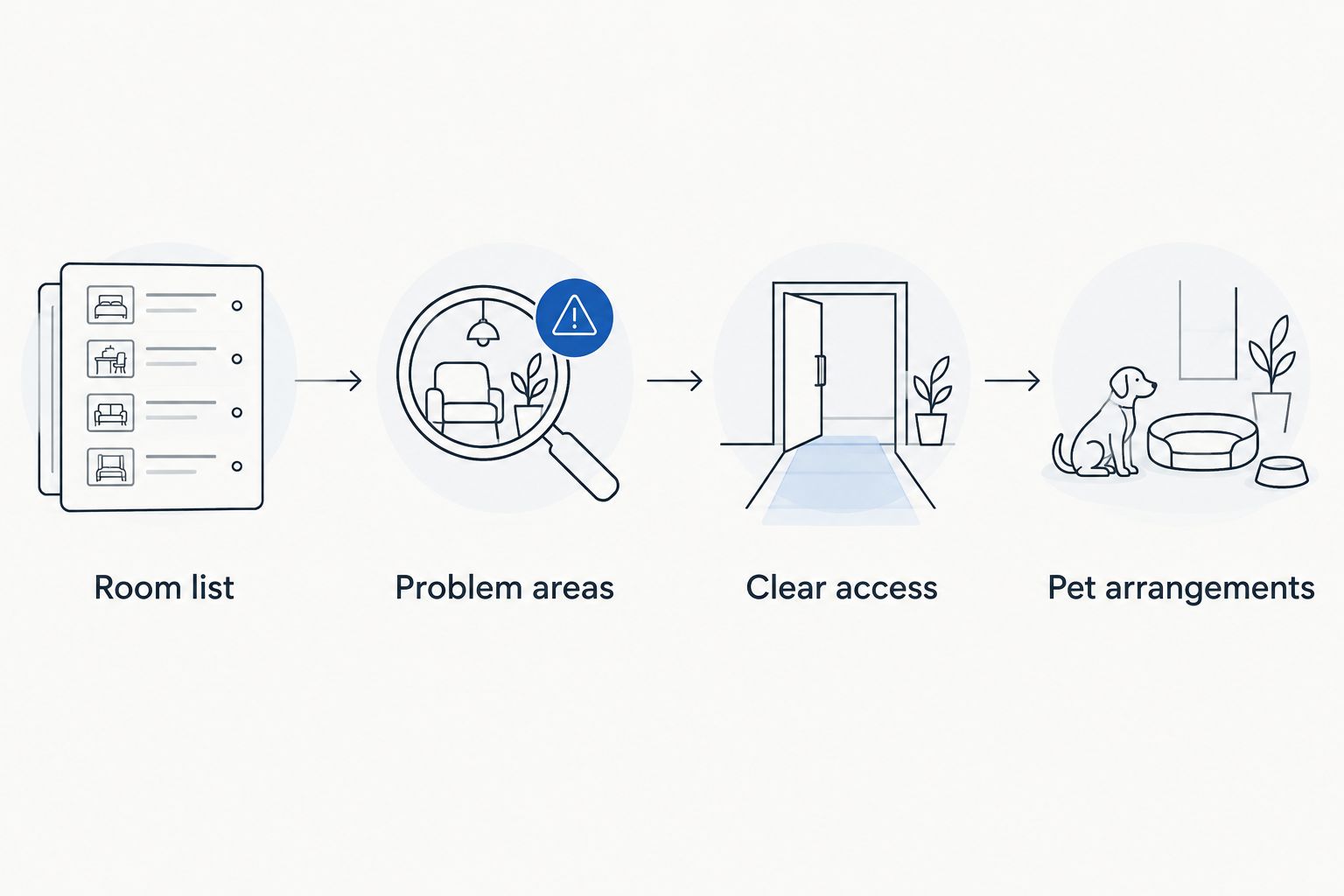
A 2026 preparation checklist should describe the work required, not just say that the carpets need cleaning. Specific room and stain notes make the appointment easier to coordinate with your agent and household.
Drying and showing readiness
Check the carpet before reopening rooms
- Follow the cleaner's ventilation and drying instructions. Keep the recommended airflow in place and avoid introducing unnecessary moisture.
- Check the areas identified by the cleaner before allowing normal traffic. Include traffic lanes and treated spots, not just the carpet nearest the doorway.
- Return furniture only as instructed. Ask whether protective tabs or blocks must stay in place and when they can be removed.
- Inspect the original problem areas after drying. Tell the cleaner about any stain that returns or odor that remains before applying another treatment yourself.
- Confirm room access with your agent. Release the space for photography and showings only after the carpet is dry and the room is ready.
Expected result: The carpet is dry, furniture has returned according to instructions, and the agent knows the room is ready for visitors.
A damp carpet is not a staging problem to hide with a rug. Leave the affected area accessible and ask the cleaner how to proceed. Covering it or moving furniture back prematurely interferes with the drying plan.
For a 2026 showing schedule, keep the readiness check attached to the property, not to an estimated clock time. Conditions in the actual rooms determine when access resumes.
When a showing is added after cleaning
Once the carpet is clean and dry, switch from full cleaning to maintenance. A newly added showing does not automatically require another wet-cleaning appointment. Inspect first, then address what actually changed.
- Check traffic lanes: Vacuum dry carpet as appropriate and remove tracked-in debris before visitors arrive.
- Check new spills: Follow the carpet manufacturer's care instructions and the cleaner's advice. Do not mix treatments or scrub aggressively.
- Check pet areas: Look for a new accident rather than assuming a returning odor is the original problem.
- Check the entrance: Keep outdoor dirt from reaching carpeted rooms and coordinate household traffic during showing preparation.
For occupied homes, assign the inspection to someone who is present before each visit. For vacant homes, ask the agent or property contact to check after contractors, stagers, or other visitors enter.
If a new spill needs professional treatment, explain the next showing time when you call. Ask whether the treatment and drying requirements fit that schedule. Move the showing if the room cannot be ready safely.
Troubleshooting
The carpet is still damp before photography
Keep people and furniture off the affected area as instructed and contact the cleaner. Confirm the recommended airflow and whether the photographer can work in other rooms first. Do not treat the original appointment estimate as proof that the carpet is dry.
A stain reappears after drying
Take a photo and contact the cleaner before adding more product. Some spots return as moisture moves through the carpet during drying. A follow-up assessment distinguishes that problem from discoloration or damage that cleaning cannot remove.
An odor remains after cleaning
Report the location and conditions under which you notice it. Ask whether the carpet backing, padding, or another material needs assessment. Do not cover the smell with fragrance and assume the source has been addressed.
Contractors dirty a cleaned room
Finish the remaining work before deciding on another cleaning appointment. Inspect the affected area and describe the new soil to the cleaner. Restrict access where practical so the same conflict does not repeat.
The listing date moves
Adjust the maintenance plan rather than automatically repeating the full service. Check the carpet's current condition, household traffic, and any new stains. Rebook only for work the carpet actually needs.
Customize your workflow
Match preparation to how the home will be used while it is listed. An occupied property needs ongoing pet and foot-traffic management; a vacant property needs coordination with everyone who has access.
If you are still choosing between professional service and doing the work yourself, read the professional carpet cleaning versus DIY rental machines guide. Decide who will handle cleaning before committing the photography schedule.
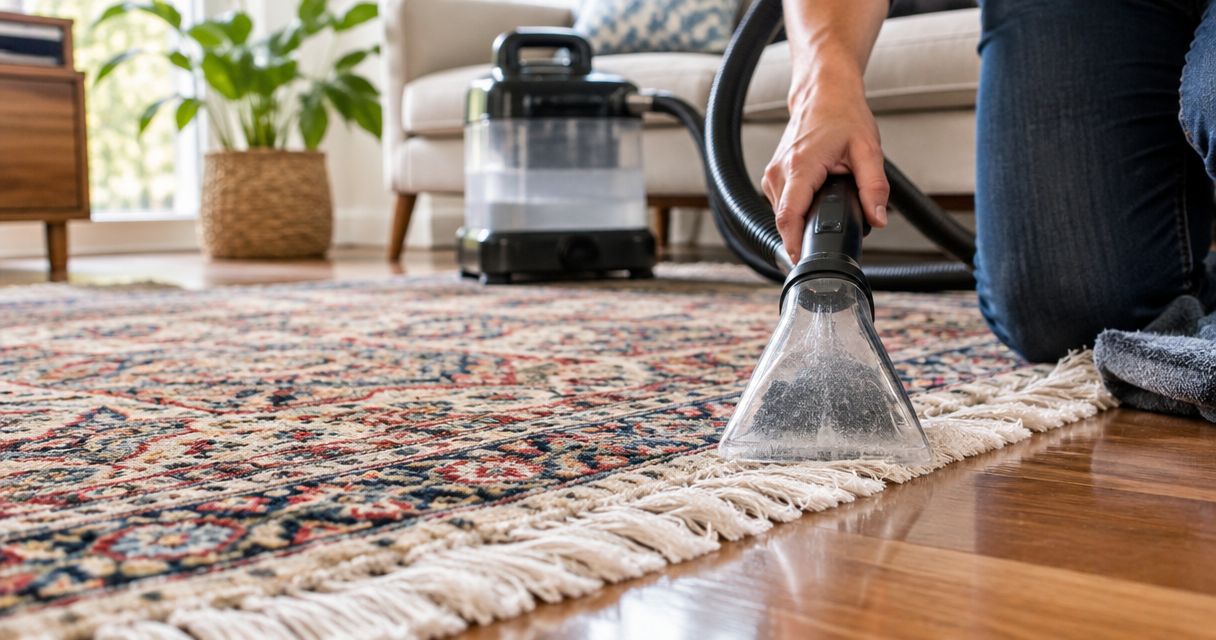
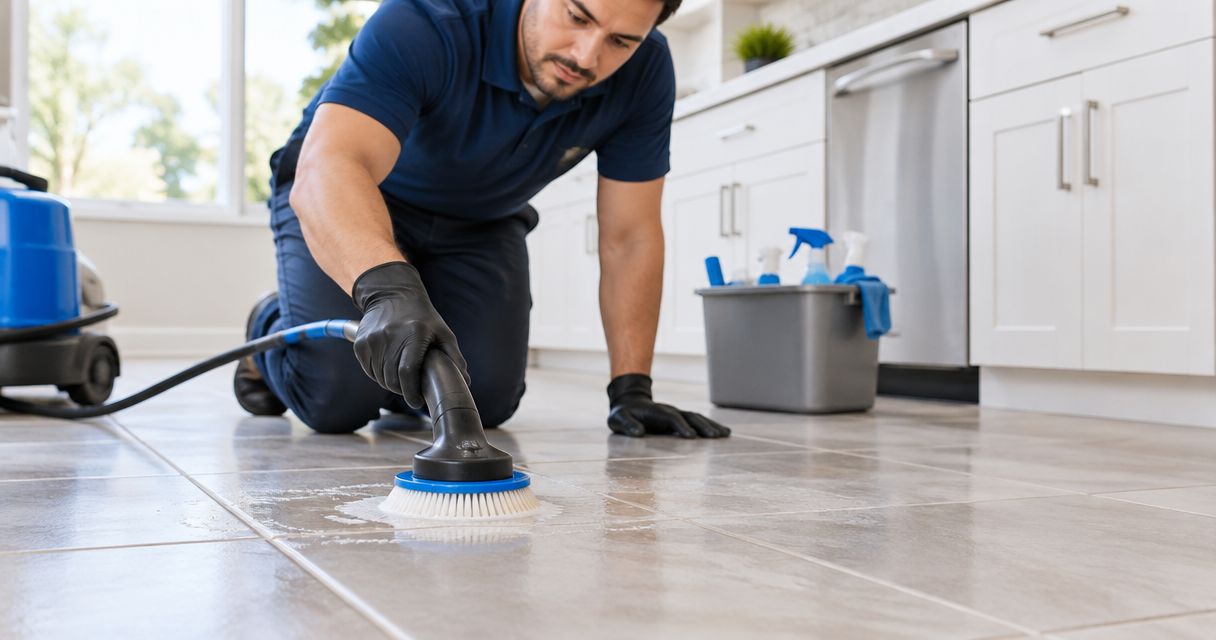
PowerPro Carpet Cleaning also provides upholstery, area rug, and tile/grout cleaning. Discuss those surfaces if they need attention, but keep each material's care and drying requirements separate. Cleaning the carpet does not resolve soil on a sofa or grout beside it.
Call PowerPro Carpet Cleaning with your room list and listing dates. Explain the condition of the carpet, your location, and any fixed access deadline before setting the scope.
Plan Your Pre-Listing Carpet Cleaning
Discuss carpet condition, room preparation, and your photography or showing schedule.
FAQ
When should I schedule carpet cleaning before selling a house?
Schedule carpet cleaning after dusty repairs and major furniture movement, but before listing photos and showings. Confirm drying instructions with the cleaner and reserve a separate readiness check before visitors enter.
Should I clean the carpet before or after staging?
Coordinate carpet cleaning before final staging where furniture placement would block access. Tell the cleaner what will move, then return furniture according to the drying and protection instructions.
Can buyers walk on the carpet immediately after cleaning?
Keep buyer visits off freshly cleaned carpet until it is dry and the cleaner's access instructions have been met. Confirm readiness in the actual rooms rather than relying on a general drying estimate.
Will carpet cleaning remove every stain before I list?
Carpet cleaning does not remove every stain or repair permanent damage. Ask the cleaner to assess visible marks and explain which are soil, discoloration, or damaged fibers.
Is professional carpet cleaning better than a rental machine for selling a home?
Professional carpet cleaning is the better fit when you need a service provider to assess condition and handle the cleaning work. Rental cleaning leaves equipment use, moisture control, and drying management to you; either approach needs time before showings.
Do I need to clean the carpet again before every showing?
No, inspect dry carpet and maintain it between showings rather than automatically repeating wet cleaning. Address new spills or tracked-in soil according to the carpet's care instructions and the cleaner's advice.
What should I tell a local carpet cleaner when booking?
Give the cleaner your location, room list, carpet concerns, and photography or showing dates. Explain pet accidents, previous treatments, access restrictions, and furniture plans so the scope can be agreed before the visit.
One last thing
Check the carpet from the doorway after it dries. Then inspect the original problem areas up close. Those views serve different purposes: the doorway shows the room as a visitor enters, while a close inspection reveals whether a specific mark or odor still needs attention.
Before your first 2026 showing, make that inspection the final carpet task—not another rushed cleaning session. A dry, checked room is ready for access; a newly treated room still needs its drying plan.