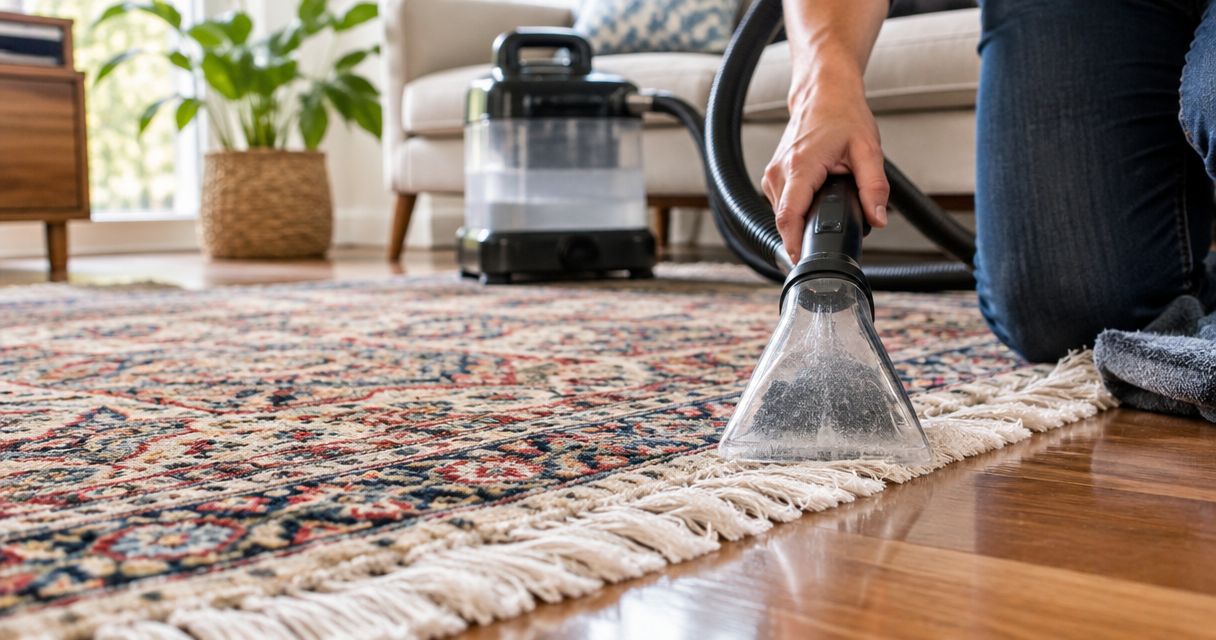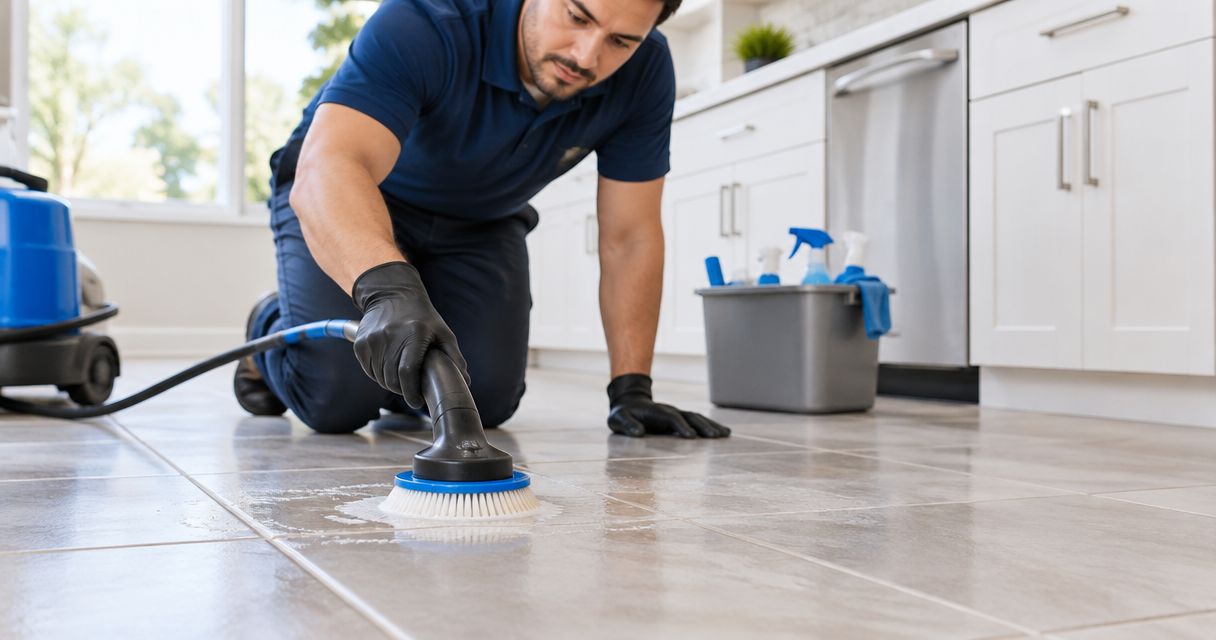
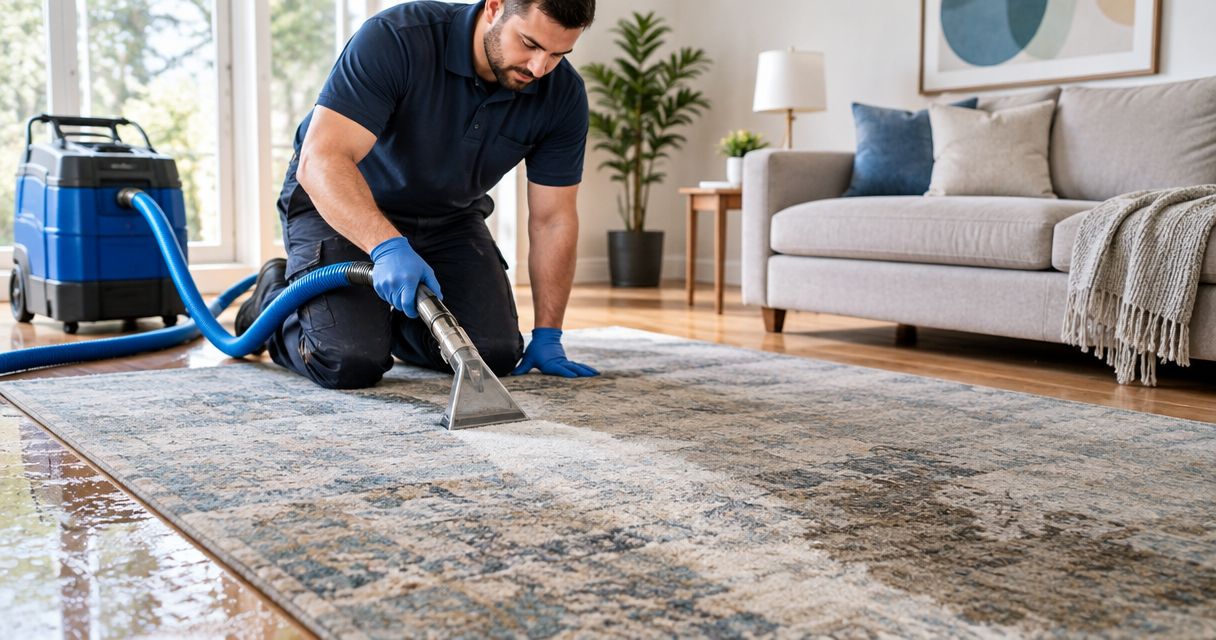
Professional cleaning can save a rug damaged by flooding in most cases, as long as the water was clean and the rug reaches a cleaning facility within 24 to 48 hours of the flood. Past that window, mold sets into the backing and dye starts to bleed through the fibers, and a rug soaked in sewage or contaminated storm water usually gets discarded regardless of how well it cleans up on the surface.
- Professional cleaning saves most wool and synthetic rugs treated within 24-48 hours of a clean-water flood.
- Rugs exposed to black water (sewage, storm runoff) usually get discarded for health reasons in 2026, even when the fibers look fine.
- Visible mold on the rug backing or the padding underneath means the rug is likely past saving.
- PowerPro Carpet Cleaning inspects flooded rugs before quoting a clean-or-replace recommendation.
Why this matters
A flooded rug isn't a simple wash-and-dry job. Water sitting under a rug for more than two days breeds mold in the backing and the padding underneath, and once that happens, cleaning removes the stain but not the health risk — the rug has to go. Homeowners across Manalapan Township and Central and North Jersey deal with this after basement flooding, burst pipes, and appliance leaks, and the decision to clean or replace comes down to timing and water source in 2026, not how much the rug is worth.
Getting a rug into area rug cleaning services in NJ fast is the single biggest factor in whether it survives. Waiting a week to "see if it dries on its own" is the most common way a salvageable rug turns into a total loss.
Can professional cleaning save a rug damaged by flooding?
Yes, in the majority of cases involving clean water and prompt action. The table below breaks down salvage odds by rug material and water source, the two biggest variables in whether a professional cleaner can bring a flooded rug back or not.
| Rug Material | Water Source | Salvage Outlook | Verdict |
|---|---|---|---|
| Wool, cotton, sisal (natural fiber) | Clean water, cleaned within 24-48 hrs | Good | Clean and dry |
| Nylon, polypropylene, olefin (synthetic) | Clean or gray water | Good, even after a few extra days | Clean and dry |
| Any fiber | Black water (sewage, storm flooding) | Poor | Discard |
| Any fiber with jute or natural backing | Left wet over 48 hrs | Poor, mold in backing | Discard |
A professional response to a flooded rug generally follows this order:
- Extract standing water from the rug and the floor underneath within hours of the flood.
- Pull the rug off the floor to stop moisture transfer between the rug backing and the subfloor or padding.
- Run the rug through a full wash and rinse at a cleaning facility, not a spot-treatment done on-site.
- Dry it under controlled airflow for 24-48 hours before rolling or returning it to the home.
- Inspect for mold, dye bleed, and backing separation before handing it back.
The reason a facility wash beats an on-site rinse is simple: a flooded rug needs water flushed all the way through the pile and backing, not just blotted off the top. On-site cleaning leaves contaminated water trapped in the base of the fibers, which is exactly where mold starts.
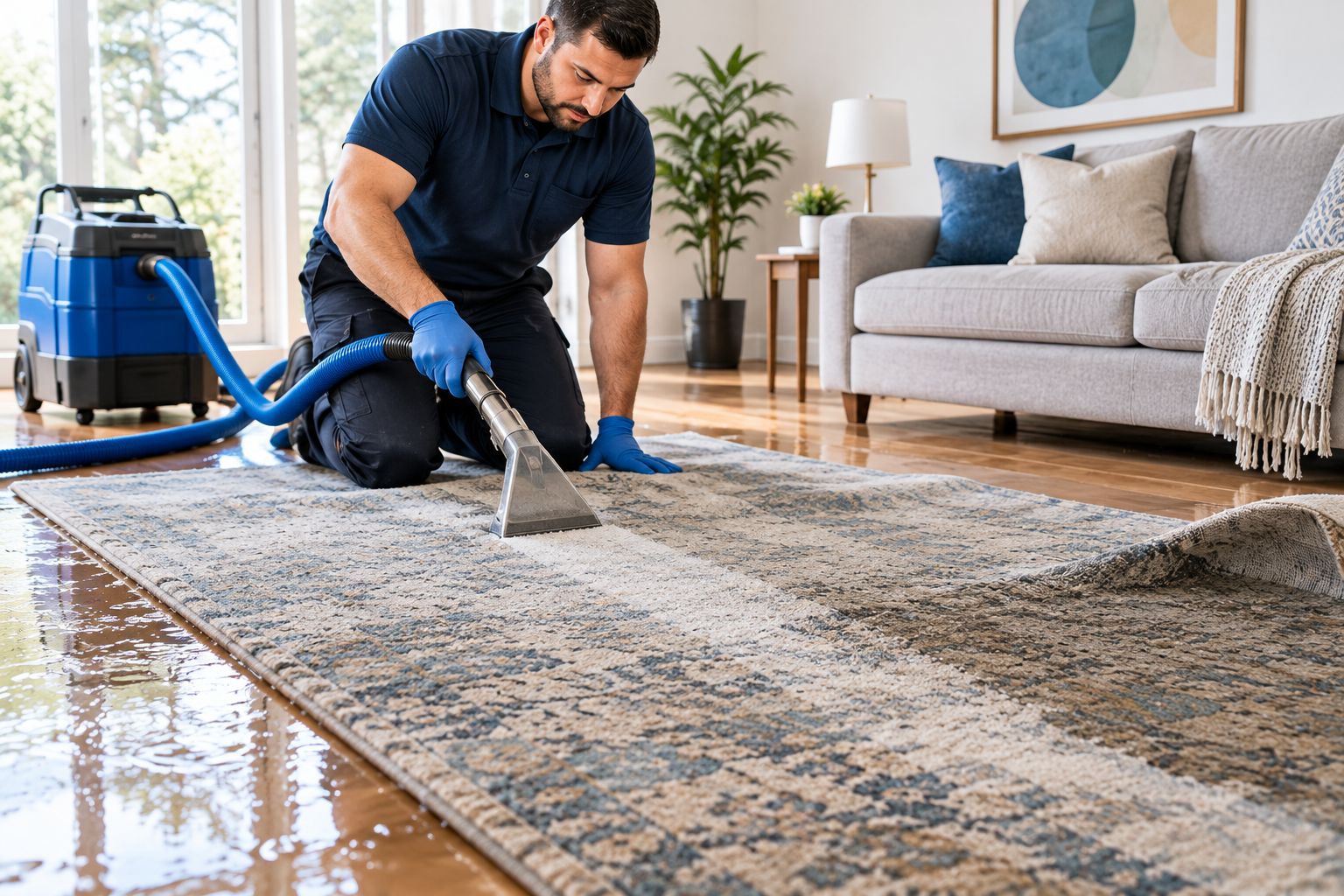
Wool and natural-fiber rugs: usually salvageable within 24-48 hours
Wool holds moisture longer than synthetic fiber, but it also resists mold better than most people expect if it dries fast. A wool, cotton, or sisal rug pulled from clean water and cleaned within 24 to 48 hours typically comes back with no lasting damage to the fibers. Wait past 72 hours, though, and the wool starts to smell, the dye migrates into lighter sections of the pattern, and the backing softens in a way that doesn't reverse. Verdict: attempt professional cleaning if it's under 48 hours and the water was clean.
Synthetic rugs: usually salvageable even after a few extra days
Nylon, polypropylene, and olefin rugs don't absorb water the way wool does, so they tolerate a longer delay before cleaning without the fiber itself breaking down. These materials also resist mold growth better, since synthetic fiber doesn't feed fungus the way natural fiber does. The backing is still the weak point — a synthetic rug with a jute backing needs to be treated on the same 24-48 hour clock as a wool rug, because the mold risk lives in the backing, not the pile. Verdict: attempt professional cleaning even a few days out, but check the backing material first.
Rugs exposed to mold or black water: often not salvageable
Once mold is visible on the rug or its padding, or the rug sat in sewage or storm floodwater, cleaning removes the stain but not the contamination. The IICRC, the industry group that sets water-damage restoration standards, classifies sewage and floodwater as Category 3 or "black water" — water carrying bacteria and waste that pose a health risk regardless of how the rug looks afterward. Rugs in that category typically get discarded rather than cleaned in 2026, no matter the fiber type or how much the rug cost originally. PowerPro Carpet Cleaning treats every flood call the same way: inspect first, quote second, and a rug with hidden mold doesn't get cleaned and handed back. Verdict: replace, don't clean, once black water or visible mold is involved.
Why the outcome varies
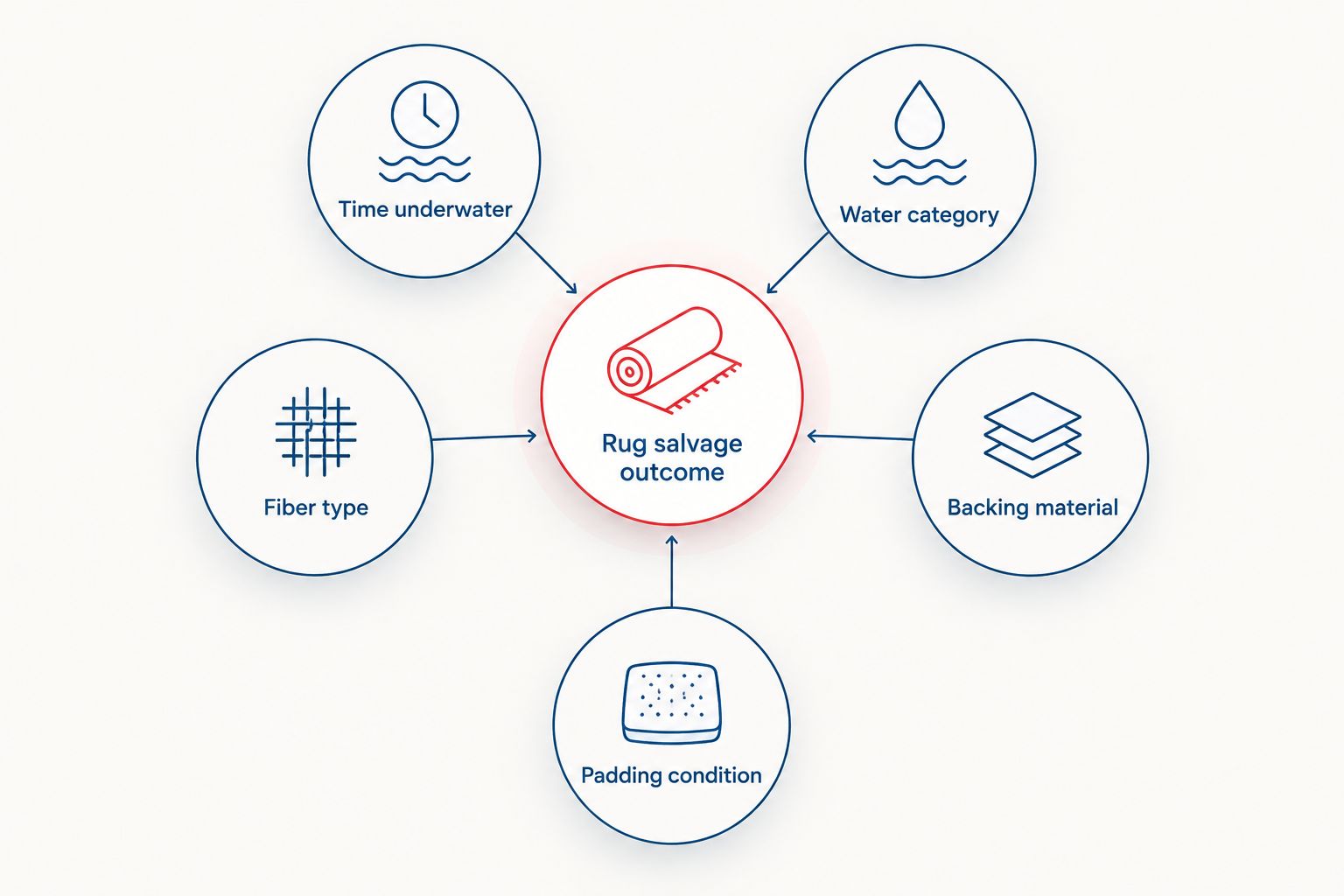
Salvage odds swing on a handful of factors, and they matter more than which company handles the job:
- Time underwater or wet — mold can begin forming within 24 to 48 hours, per EPA guidance on water-damaged materials.
- Water category — clean tap water (Category 1) behaves nothing like gray water from an appliance leak (Category 2) or black water from sewage or storm flooding (Category 3).
- Fiber type — wool and cotton absorb more water and take longer to dry than nylon or polypropylene.
- Backing material — jute backing retains moisture and grows mold faster than a synthetic backing does.
- Padding condition — a pad left wet under a rug rarely dries fast enough, even when the rug on top of it gets saved.
- Age and prior wear — a rug with existing dry rot or brittle fibers won't survive a soak that a newer rug shrugs off without issue.
A quick inspection tells a homeowner which category they're in before any cleaning starts, which is why a phone estimate over the phone is never as reliable as getting eyes on the actual rug.
Get a flooded rug inspected fast
PowerPro Carpet Cleaning serves Manalapan Township and Central and North Jersey.
Related questions people ask
How long can a rug sit in water before it's ruined?
A rug can typically sit in clean water for 24 to 48 hours before mold risk rises sharply, based on EPA water-damage guidance. Past that window, professional cleaning may slow deterioration rather than reverse it, and the backing usually shows damage before the visible pile does.
Is it cheaper to clean a flooded rug or replace it?
Cleaning is usually the lower-cost path when a rug is salvageable, but the real comparison depends on rug size, fiber, and local rates — the professional carpet cleaning cost in NJ guide breaks down what drives pricing in 2026. A rug with mold or black-water exposure isn't a cost decision at all — it's a health call, and replacement wins regardless of price.
Can a flooded rug be cleaned at home?
A rented extractor pulls surface water off a flooded rug but rarely reaches the padding or backing where mold actually starts. The DIY rental carpet cleaning machines comparison covers why home equipment falls short on deep water extraction compared to a professional facility wash.
FAQ
How long can a rug sit in water before mold sets in?
Mold can begin forming on a wet rug within 24 to 48 hours, based on EPA water-damage guidance. Past that window, salvage odds drop fast even with professional cleaning.
Can professional cleaning save a wool area rug after flooding?
Yes, a wool area rug is usually salvageable if it's cleaned and fully dried within 24 to 48 hours of a clean-water flood. Wait longer and dye bleed and backing damage become permanent.
Should a rug exposed to sewage or floodwater be thrown out?
Yes, rugs exposed to sewage or storm floodwater (IICRC Category 3, or black water) are typically discarded rather than cleaned in 2026. The contamination risk remains even after the fibers look clean.
Is professional rug cleaning cheaper than replacing a flooded rug?
Cleaning is usually cheaper than replacement when the rug is salvageable, but pricing depends on size and fiber type. Once mold or black water is involved, replacement is the only safe option regardless of cost.
Can a flooded rug be cleaned with a rental carpet cleaner?
A rental extractor removes surface water but rarely reaches the padding and backing where mold actually starts. A full facility wash reaches deeper into the pile than a rented unit can.
What's the difference between clean water and black water damage?
Clean water (IICRC Category 1) comes from sources like a burst supply line, while black water (Category 3) comes from sewage or storm flooding and carries bacteria. Clean water rugs have far better salvage odds.
Does PowerPro Carpet Cleaning inspect rugs before cleaning them?
Yes, PowerPro Carpet Cleaning checks water category, fiber type, and backing condition before recommending a clean-or-replace decision. Rugs with visible mold or black-water exposure don't get cleaned and returned.
One last thing
Even when a rug comes back looking perfect, the padding underneath it often doesn't survive the same flood. Foam and rubber pads hold moisture longer than the rug itself and rarely dry out in the 24-48 hour window that saves the fibers above them. Replacing the pad costs far less than replacing the rug, and skipping that step is the most common reason a "successfully cleaned" rug starts smelling musty a few weeks later. PowerPro Carpet Cleaning checks the pad, not just the rug, on every flood-damage call in 2026.