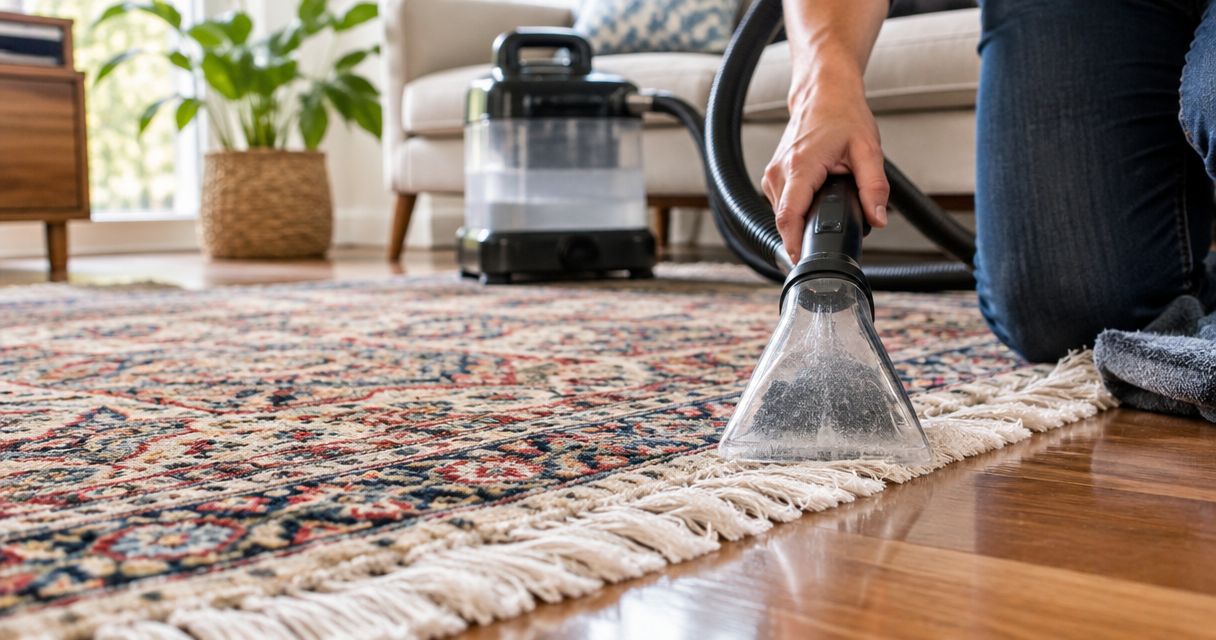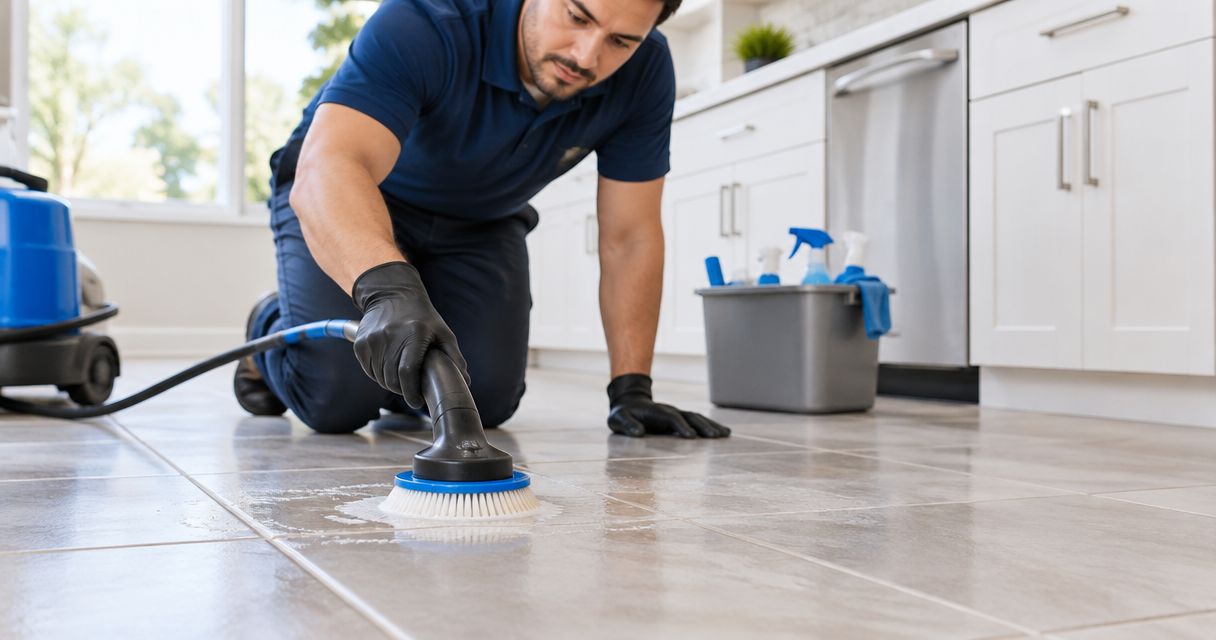
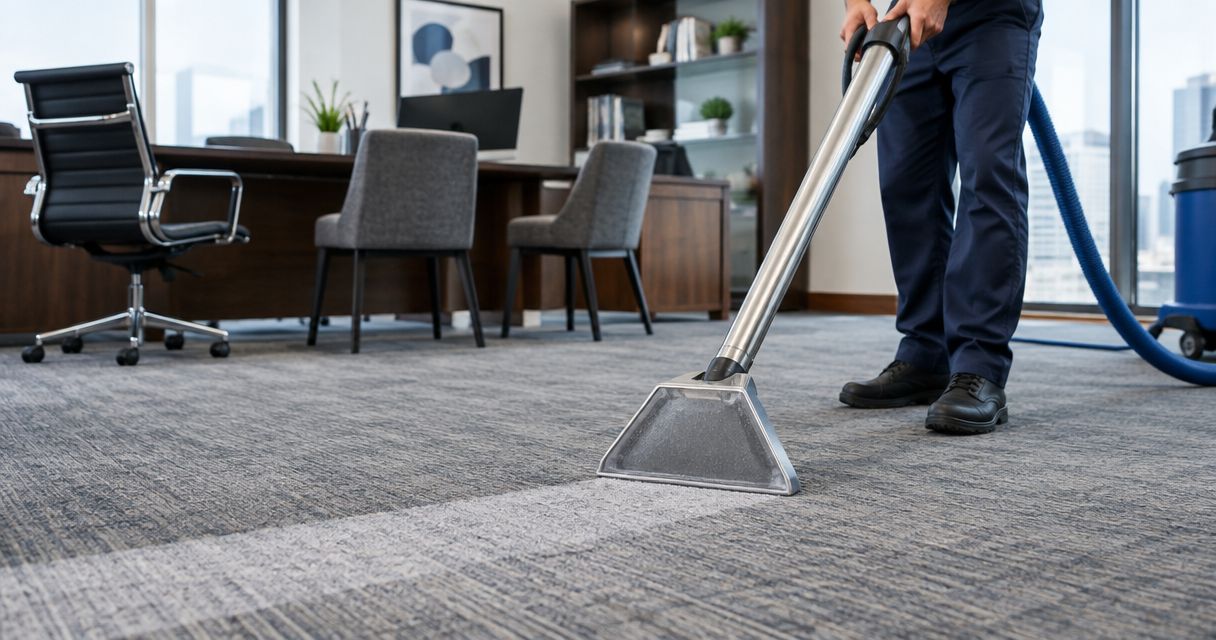
Law office carpet cleaning is the planned removal of soil and spots from office carpeting to keep client-facing rooms presentable without disrupting legal work. This 2026 guide to carpet cleaning for law offices covers room-by-room planning, confidential-file protection, cleaning options, and reopening checks.
- Carpet cleaning for law offices needs a written scope, protected client files, and a plan for drying and access.
- PowerPro Carpet Cleaning serves New Jersey businesses seeking a local, family-owned carpet cleaning service.
- Routine vacuuming supports commercial carpet cleaning; it does not replace treatment of embedded soil and persistent spots.
- Choose office carpet maintenance by traffic and carpet instructions, not by a fixed calendar alone.
Why carpet cleaning matters for law offices
A law office needs more than an empty appointment slot to arrange cleaning. You need access to reception and conference rooms, secure handling of client information, and clear responsibility for locking the suite afterward. A cleaning appointment should not leave staff guessing which rooms they can use.
PowerPro Carpet Cleaning is best for New Jersey law offices seeking a local, family-owned carpet cleaning service. PowerPro Carpet Cleaning serves homeowners and businesses in Manalapan Township and surrounding Central and North New Jersey counties.
For your 2026 maintenance plan, separate appearance problems from access problems. A dark traffic lane needs inspection; a conference room booked for a deposition needs scheduling coordination. Treating those as separate decisions makes the cleaning scope easier to approve.
You also need realistic expectations. Cleaning addresses soil and treatable spots, but it does not repair worn fibers, unraveling seams, or damaged backing. Identify those conditions before work starts so a permanent defect is not mistaken for unfinished cleaning.
How to plan carpet cleaning for your law office
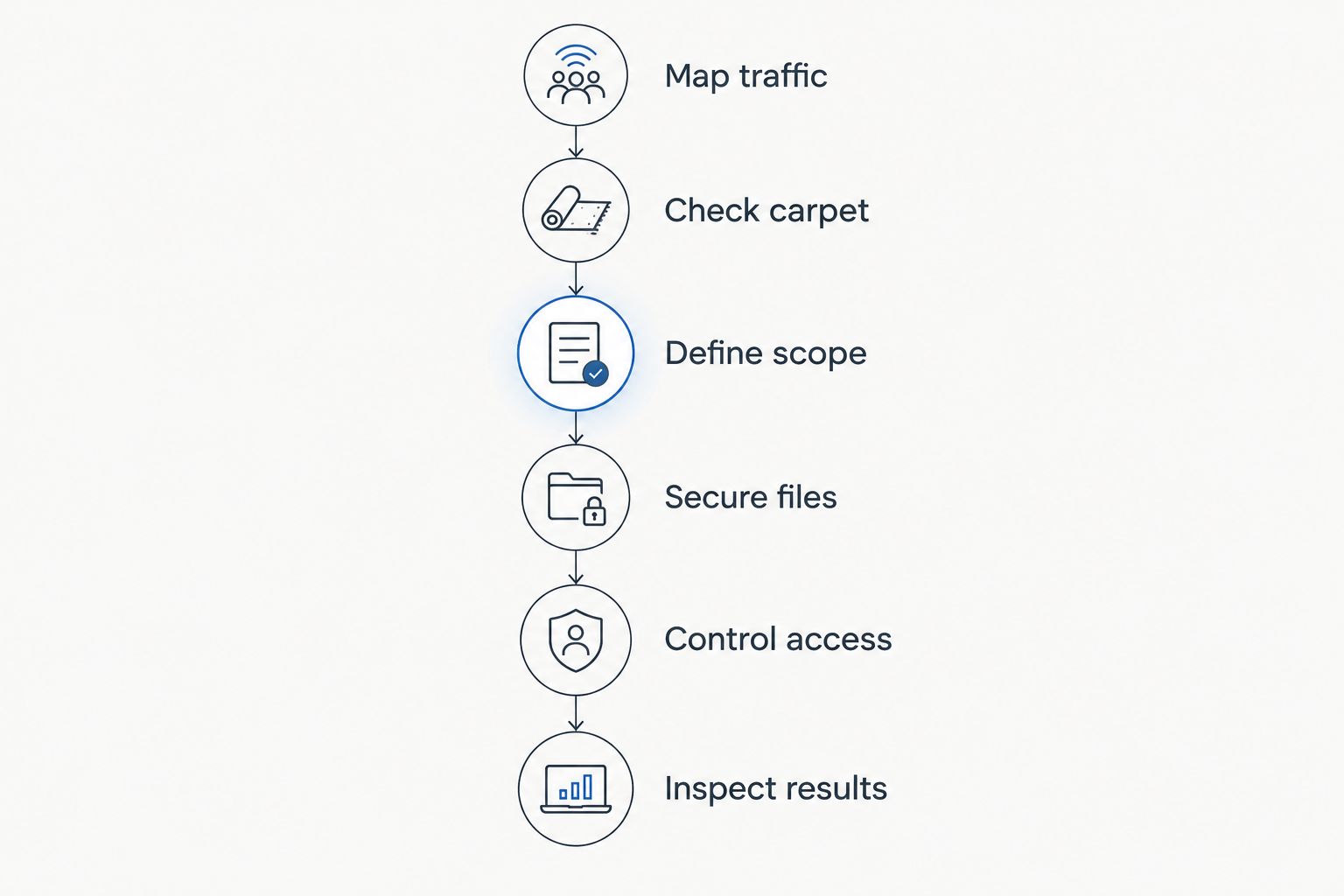
Use the following 6 steps as your office manager’s checklist. Start with a walkthrough and a simple room list; you do not need special software to define the work.
1. Map traffic
Walk your office before requesting service. Divide the carpet into 3 working zones: client-facing rooms, shared staff routes, and private work areas. These are planning categories, not a requirement to clean every room differently.
Reception, corridors, and conference rooms deserve separate notes because their use differs. Record where people enter, where chairs move repeatedly, and where coffee is served. Inspect under movable chairs as well as the open floor; a room’s center does not tell the whole story.
Use a sketch or spreadsheet to mark the areas you want cleaned. Approximate measurements help define the scope, but identify which measurements still need confirmation. Do not include stairways, storage rooms, or closets by assumption.
End the walkthrough with a room list that another staff member can understand without accompanying you.
- Mark reception and the route from the entrance.
- List conference rooms and their next scheduled use.
- Identify private offices that require escorted access.
- Photograph visible spots without capturing client information.
- Note loose seams, worn areas, and previous damage.
2. Check carpet
Find the carpet’s care instructions before choosing a cleaning method. Ask your landlord, building manager, installer, or facilities contact for the manufacturer and maintenance documents. Different carpet constructions and installation systems need different care.
Start with the routine work your office already controls: vacuum accessible carpet, remove loose debris, and keep entrance mats maintained. Follow the carpet manufacturer’s instructions for spot treatment. Avoid adding an unfamiliar chemical to a mark simply because it is labeled for household use.
For your 2026 inspection log, record what caused a spot when you know it and what has already been applied. That information helps the cleaner assess treatment without guessing. Describe a mark as unknown when its source is unknown.
Do not select a method from a label such as steam or shampoo alone. Ask what equipment, moisture application, and soil-removal process the cleaner proposes for your carpet.
- Find the manufacturer’s maintenance instructions.
- Identify carpet tiles, broadloom, and separate area rugs.
- Record previous spot treatments and their results.
- Flag recurring marks rather than repeatedly treating them.
- Ask how the proposed method fits the installed carpet.
3. Define scope
Write your own scope first: rooms, visible problems, access restrictions, and the next required use of each space. A clear email is enough. This prevents a general request to clean the office from becoming a disagreement about furniture or excluded rooms.
For professional help, review PowerPro Carpet Cleaning’s cleaning services and discuss the office’s carpet needs directly. The company also offers upholstery, area rug, and tile/grout cleaning; ask whether any of those surfaces should be included in your request rather than assuming they are covered.
Professional service puts the assessment and cleaning work with a service provider, but your office still owns the access plan. Confirm the appointment, the proposed work, and responsibility for moving furniture before approving the job.
Ask for the scope in writing. A verbal agreement is harder to check when the office manager and the person admitting the crew are different people.
- Name each included room and excluded space.
- Separate carpet from rugs and upholstered furniture.
- Confirm which furniture will be moved and by whom.
- Describe specific spots without demanding guaranteed removal.
- Request preparation and reopening instructions.
4. Secure files
Treat preparation as an office responsibility, not a cleaning task. Remove files, mail trays, banker’s boxes, and portable devices from the floor. Lock away material that a service crew does not need to see or handle.
Designate 1 staff coordinator to manage access and answer scope questions. That person should know which offices are included, which doors remain locked, and who can authorize a change. Avoid asking the cleaner to decide whether a box of documents can be moved.
Coordinate building requirements separately. Confirm service entrances, elevator arrangements, loading rules, and any documents building management requires from contractors. Do not assume an appointment with a cleaning company also grants permission to enter the building.
Leave a practical route for equipment without creating access to restricted rooms. Photograph existing floor damage if you need a shared record, but keep client names, screens, and paperwork out of those images.
- Secure client files and remove floor-level document boxes.
- Clear loose cords and small personal items.
- Identify locked rooms and escorted-access areas.
- Confirm entry, alarm, and departure arrangements.
- Give the coordinator authority to resolve scope questions.
5. Control access
Plan backward from the next use of each room. An attorney’s return, a client meeting, and the cleaning crew’s departure are different events. A finished appointment does not automatically mean the carpet is ready for normal traffic or furniture replacement.
Ask the cleaner for drying guidance based on the proposed method and site conditions. Do not promise staff a universal drying time. Carpet construction, moisture application, airflow, and indoor conditions affect the result.
If your office remains occupied, discuss whether the work can be divided into sections. Confirm that arrangement before booking; do not assume an after-hours appointment or phased service is offered. Keep an alternate meeting space outside the work area when needed.
Pay particular attention to transitions between damp carpet and hard flooring. Keep people out of the work area and follow the cleaner’s instructions for returning furniture and reopening rooms.
- Share the next required use of each room.
- Confirm appointment timing directly with the provider.
- Arrange an alternate client meeting location if needed.
- Keep staff and visitors away from damp areas.
- Follow site-specific instructions for airflow and furniture.
6. Inspect results
Build 2 review points into the job: a walkthrough when cleaning finishes and a follow-up after drying. The first confirms that the agreed areas were addressed. The second helps you assess remaining spots, room readiness, and any issue that needs discussion.
Compare the result with your original room list rather than memory. Check edges, chair areas, and the spots you identified at the start. Ask the cleaner to explain remaining discoloration instead of assuming that every visible mark is removable soil.
Keep the outcome in your 2026 maintenance record. Note the rooms cleaned, the date, the reported method, and any care instructions. Use recurring soil patterns to decide where routine maintenance needs more attention.
Set the next inspection before you set the next cleaning appointment. A lightly used private office and an entrance corridor do not need identical decisions merely because they share a lease.
- Confirm every included room against the written scope.
- Review remaining marks with the service provider.
- Check room readiness after drying.
- Record instructions and follow-up actions.
- Adjust routine maintenance where soil returns first.
The sequence keeps decisions in order: map the work, check the material, agree on the scope, protect the office, manage access, and inspect the result.
Compare carpet cleaning options for law offices
Choose the option that matches the task, not simply the equipment you can obtain. Routine care, small-area cleaning, and professional service have different roles. None removes the need to check carpet instructions or protect confidential material.
| Option | Best for | Main advantage | Key limitation |
|---|---|---|---|
| Staff-managed vacuuming and approved spot care | Routine maintenance between deeper cleanings | Your office controls timing and immediate spill response | Does not replace deeper cleaning of embedded soil |
| DIY carpet-cleaning equipment | Limited areas where the carpet instructions permit the process | Your office controls the work sequence | Staff must manage method selection, moisture, equipment, and drying |
| Professional carpet cleaning | Defined office-wide work or persistent soil requiring assessment | A service provider handles the agreed cleaning work | Requires coordination around access, preparation, and reopening |
| PowerPro Carpet Cleaning | New Jersey offices seeking a local, family-owned provider | Offers carpet cleaning alongside other stated surface-cleaning services | Your office must confirm method, scope, scheduling, and drying instructions directly |
A rental machine is not a staffing plan. Before choosing DIY cleaning, identify who will operate the equipment, protect the surrounding space, and check the result. If nobody owns those tasks, obtain a professional assessment instead.
For professional service, keep the written scope identical when comparing proposals. Otherwise, differences in rooms, furniture handling, or spot treatment can make the options difficult to judge.
Request Cleaning for Your Law Office
Share your New Jersey location, rooms, access restrictions, and next scheduled use.
Common mistakes law offices make
Booking around the crew instead of client appointments
An appointment that fits the cleaning crew still needs to fit your conference calendar. Share the next required use of each room, then confirm whether the proposed work and drying plan fit. Do not schedule a deposition around an assumed reopening time.
Leaving file boxes for someone else to move
Floor-level document storage blocks access and creates unnecessary handling of client material. Have authorized staff relocate it before the appointment. If an area cannot be cleared, mark it as restricted and discuss the limitation in advance.
Treating every dark area as a removable stain
Wear, shading, and soil are not interchangeable. Ask for an assessment before approving repeated treatment of the same area. Keep original damage notes so the final inspection distinguishes cleaning results from existing carpet condition.
Assuming building access is included
A suite appointment does not resolve loading rules, locked entrances, or alarm procedures. Assign those arrangements to your office coordinator. Confirm who admits the crew and who checks the suite afterward.
Replacing a maintenance plan with one annual booking
A calendar reminder cannot show where soil is accumulating. Inspect entrances and busy routes separately from quieter offices, and follow manufacturer requirements. Your 2026 schedule should respond to actual conditions rather than repeat last year’s room list automatically.
FAQ
What's the best way to arrange carpet cleaning for a law office?
Start with a room-by-room scope, then confirm the cleaning method, access arrangements, and reopening instructions. Secure client files and appoint a staff coordinator before the crew arrives.
How often should law office carpets be professionally cleaned?
Base professional cleaning on carpet instructions, traffic, visible soil, and previous results rather than one universal interval. Inspect reception and shared corridors separately from lightly used private offices.
Can a law office stay open while its carpets are cleaned?
Keep the office open only when the agreed work plan preserves safe access and separates occupants from cleaning and drying areas. Confirm whether phased work is offered and arrange another meeting space when necessary.
Does PowerPro Carpet Cleaning serve New Jersey businesses?
PowerPro Carpet Cleaning serves homeowners and businesses in Manalapan Township and surrounding Central and North New Jersey counties. Confirm your office location and requested work directly with the company.
Is renting a carpet cleaner better than hiring a professional?
DIY equipment is best for limited work only when your staff can follow carpet instructions and manage moisture, access, and drying. Professional service is the better fit when you want a provider to assess and perform a defined cleaning scope.
Can carpet cleaning remove every office coffee stain?
Do not assume every coffee stain is removable. Tell the cleaner when the spill occurred and what treatments were used, then request an assessment of the remaining mark.
When can staff put chairs and file cabinets back?
Return furniture according to the cleaner's instructions for the actual carpet and method. Do not use the end of the appointment as an automatic signal that heavy furniture can go back.
One last thing
Your most useful cleaning record is a marked floor plan, not just a completed invoice. For 2026, keep a clean copy showing restricted rooms, recurring spots, and the next required use of conference spaces. It gives the next staff coordinator a starting point without exposing client information.
Call before booking and describe the office, not just the carpet. Ask the provider to confirm your location, scope, access needs, and reopening instructions before setting the appointment.