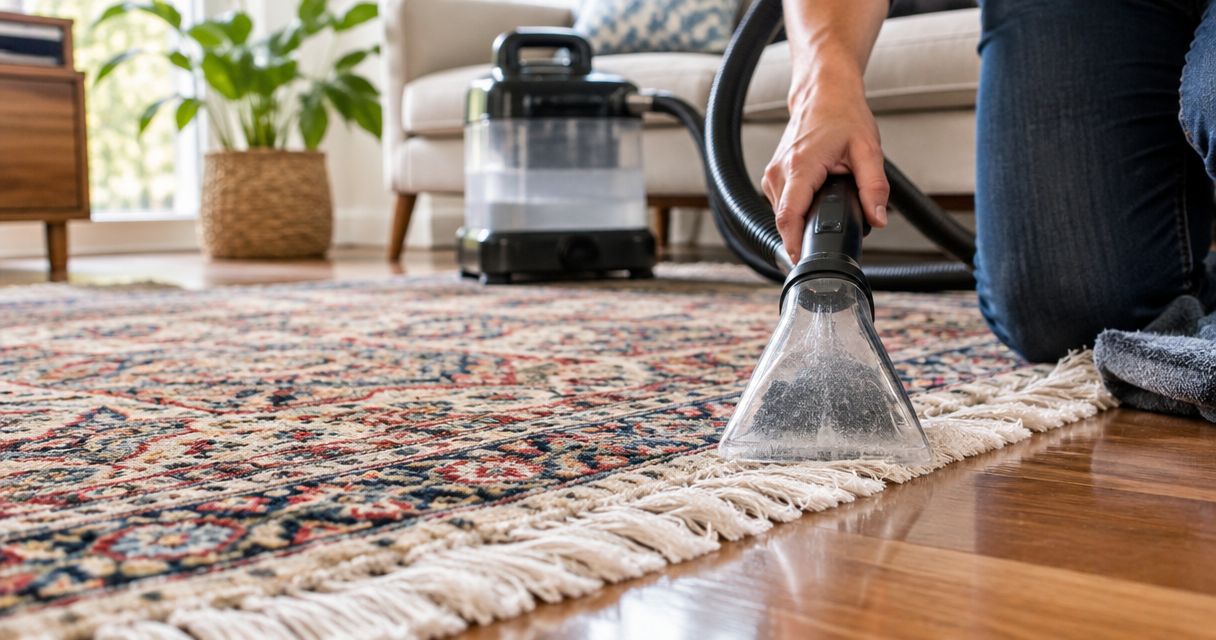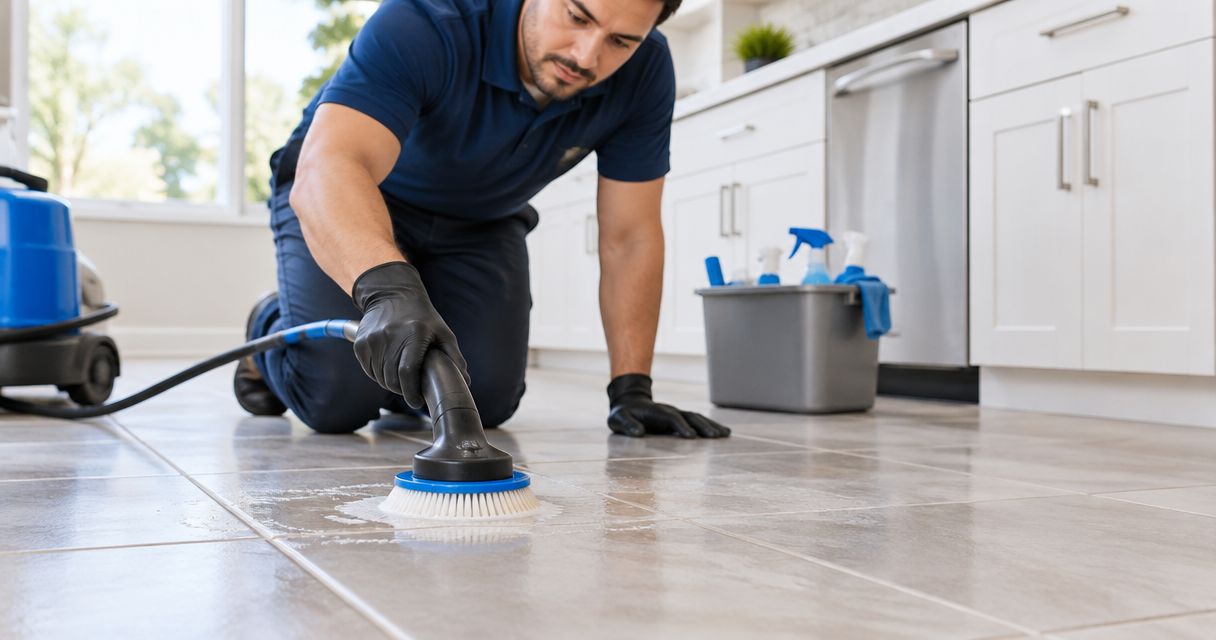
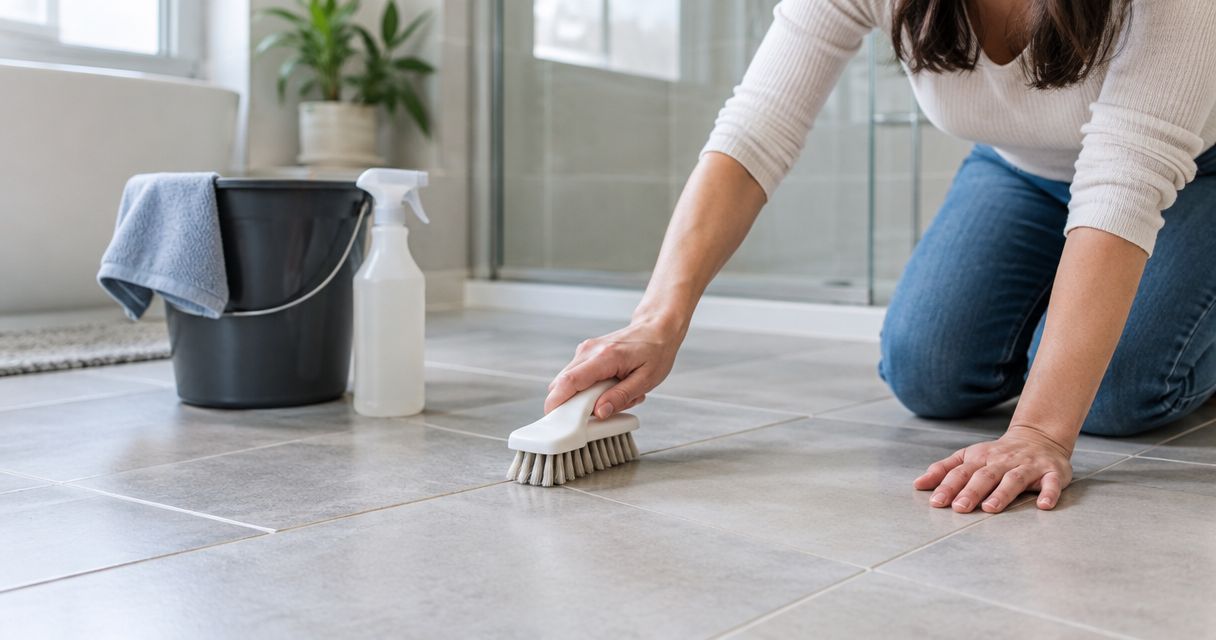
Reseal cement-based grout when its existing protection no longer resists absorption, using the grout and sealer manufacturers’ instructions—not a fixed calendar—as your guide. For your 2026 maintenance plan, distinguish porous grout from products that do not require sealing, and remember that sealer does not repair cracks or waterproof a shower.
- How often should grout be resealed? Follow product instructions and check clean, dry cement-based grout for absorption.
- Epoxy grout generally does not need sealing; identify the grout before applying another product.
- Clean grout before evaluating protection; dirt and cleaner residue can confuse the result.
- PowerPro Carpet Cleaning serves Manalapan Township homeowners and businesses needing tile and grout cleaning.
Why this matters
A dark grout line does not automatically need more sealer. Surface soil, soap residue, moisture, and staining require different responses. Applying sealer without identifying the problem adds work without addressing the cause.
For local cleaning help, PowerPro Carpet Cleaning serves homeowners and businesses in Manalapan Township and surrounding Central and North New Jersey counties. PowerPro Carpet Cleaning is a fit for local homeowners and businesses seeking tile and grout cleaning. Ask about cleaning separately from any sealing work so you understand the proposed service.
How often should tile and grout be resealed?
There is no single resealing interval that applies to every tile installation. Cement-based grout needs a product-specific maintenance schedule; epoxy grout generally does not need sealing. The tile surface requires a separate decision because glazed tile and porous natural stone do not behave alike.
Start with the grout label, installation paperwork, and the sealer’s maintenance instructions. If those records are unavailable, identify the materials before choosing a treatment. A calendar reminder is useful for checking condition, not proof that another application is due.
Use this comparison to decide what needs attention:
| Material or treatment | Best for | Sealing decision | Benefit | Limitation |
|---|---|---|---|---|
| Cement-based grout | Installations where compatible stain protection is needed | Follow grout and sealer instructions; reassess absorption | Compatible sealer reduces absorption | Protection needs maintenance and does not repair damage |
| Epoxy grout | Installations requiring low-absorption grout | Generally does not require sealing | Avoids routine penetrating-sealer maintenance | Surface residue and damaged joints still require attention |
| Glazed ceramic or porcelain tile | Surfaces with a factory-applied glaze | The glazed face generally does not need penetrating sealer | The glaze limits absorption at the tile face | Adjacent grout still needs its own assessment |
| Natural stone tile | Installations where the stone is suitable for the setting | Follow stone-specific guidance | Suitable treatment helps reduce staining on absorbent stone | Not every stone needs treatment; incompatible products cause problems |
| Color-sealed grout | Existing grout treated with a compatible color coating | Follow the coating manufacturer’s maintenance directions | Changes grout color while providing surface protection | Requires its own preparation and maintenance approach |
Do not treat a penetrating sealer and a color-sealing coating as interchangeable. Before adding anything, establish what is already on the grout and whether the proposed product is compatible.
What should you record in your maintenance log?
For a 2026 grout maintenance record, write down 3 details: the grout type, the sealer name, and the application date. Keep the product instructions with the record. Include the treated room so you do not confuse a shower installation with a kitchen floor.
If you do not know the previous application date, record the next inspection rather than inventing a replacement schedule. Photograph the grout after cleaning and drying; that gives you a useful reference for later changes.
Cement-based grout: check protection before recoating
Cement-based grout is porous, and compatible penetrating sealers reduce its absorption. That protection is not permanent, but its service life depends on the actual product and conditions. A heavily used kitchen floor and a lightly used backsplash should not automatically receive identical maintenance.
Clean the grout first, then let it dry as required by the cleaning and sealing instructions. Check representative areas rather than judging the whole floor from the cleanest corner. Look for uneven wetting, persistent discoloration, and damage that needs repair instead of coating.
Reseal sound, properly prepared grout—not dirt, loose joints, or unexplained moisture. If grout remains dark after the surrounding area dries, investigate the reason before adding a product.
Epoxy grout: routine sealing is generally unnecessary
Epoxy grout generally does not require the penetrating-sealer maintenance used for porous cement-based grout. Applying sealer simply because the grout is old is not a sound maintenance decision. Confirm the product before treating it.
Low absorption does not make epoxy grout maintenance-free. Soap film, grease, and surface dirt still need removal with an appropriate cleaner, and cracked or separated joints still need assessment.
If an epoxy-grouted shower looks dirty, start with cleaning instructions rather than a resealing schedule. An added coating can create a different maintenance problem without solving the original one.
Tile surfaces: assess the tile separately
A tile floor contains more than grout. Glazed ceramic and glazed porcelain faces generally do not need penetrating sealer, while some natural stone surfaces benefit from a compatible treatment. Unglazed tile also needs material-specific guidance.
Do not spread grout sealer across an entire floor unless its instructions permit that application. Product left on a nonabsorbent surface can leave residue, and removal must follow the product’s directions.
For a mixed-material installation, check both the tile and grout requirements before work starts. A product suitable for grout is not automatically suitable for every surrounding tile.
Why grout resealing needs vary
These factors determine whether resealing is appropriate and how you should maintain the installation:
- Grout type: Cement-based grout, epoxy grout, and coated grout require different treatment decisions. Identify the material before setting a schedule.
- Existing treatment: A penetrating sealer and a color-sealing coating have different application and maintenance instructions. Compatibility matters when changing products.
- Use and exposure: Foot traffic, cooking spills, and repeated cleaning create different conditions from those on an occasional-use wall surface.
- Cleaning method: Use cleaners and tools approved for the tile, grout, and existing treatment. An unsuitable cleaning routine can damage materials or interfere with protection.
- Preparation and condition: Dirt, moisture, cracks, and loose grout affect the job. Repair and preparation come before resealing.
A New Jersey address alone does not establish the right interval. In Manalapan Township, assess the kitchen, entryway, and bathroom separately rather than putting every tiled surface on one automatic schedule.
How do you check whether grout needs resealing?
A water-drop check offers a practical indication of absorption on suitable cement-based grout. It is not a waterproofing test, and it does not replace product instructions. Follow any testing method specified by the manufacturer.
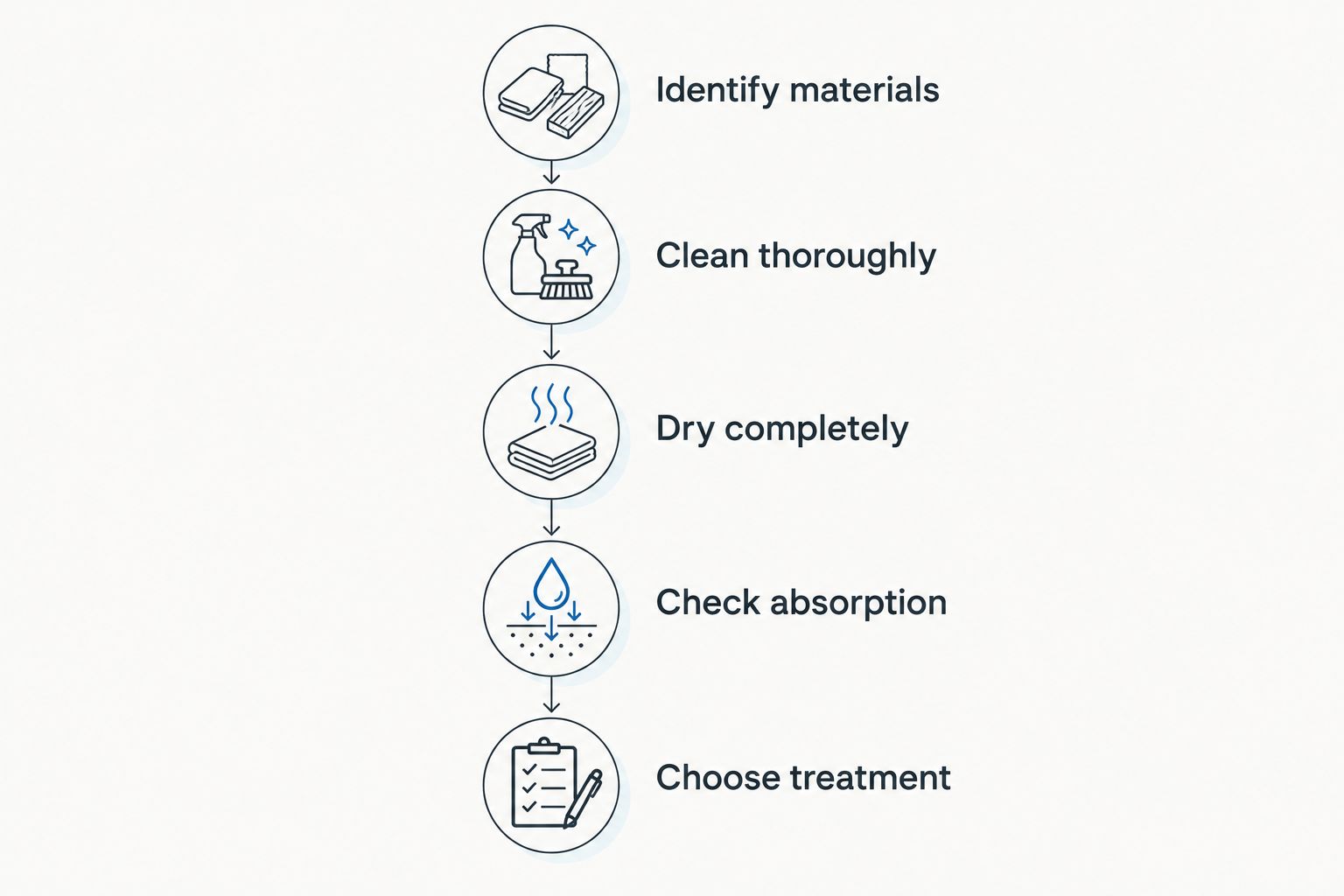
Use this sequence before deciding to recoat:
- Identify materials. Confirm the grout type, tile material, and any existing coating. Stop if you cannot establish whether the proposed sealer is compatible.
- Clean thoroughly. Remove surface soil and cleaner residue with a method suitable for the installation. Do not test over soap film or grease.
- Dry completely. Let the grout reach the condition required by the product instructions. Already-damp grout gives an unhelpful comparison.
- Check absorption. Apply a small amount of clean water where the manufacturer permits testing. Compare wetting and darkening across representative areas.
- Choose treatment. Follow the specified maintenance guidance if clean, sound grout shows reduced protection. Investigate cracks or persistent dampness before sealing.
For a useful comparison, check 3 locations: a busy walkway, a protected edge, and a spill-prone area. These locations help reveal differences within the same room; they are not a substitute for the manufacturer’s acceptance criteria.
Water that beads in one place does not prove that every joint is protected. Likewise, immediate darkening is a reason to investigate absorption—not permission to apply an unidentified sealer.
Should you clean grout before resealing it?
Clean grout before resealing, and meet the sealer’s drying requirements before application. Sealer is not a cleaner. Existing grease, soap film, and embedded soil need attention first.
For a 2026 kitchen maintenance appointment, separate the work into 2 stages: cleaning and protection assessment. The second stage determines whether sealing is appropriate after you can see the grout’s actual condition.
Tell the cleaner about previous coatings and any products you have applied. Also point out recurring stains, loose joints, and areas that remain damp. These details help keep a cleaning job from being mistaken for a repair or moisture investigation.
For cleaning support in Central and North New Jersey, call PowerPro Carpet Cleaning to discuss the room, tile material, and visible buildup. Confirm what the appointment includes rather than assuming that tile and grout cleaning automatically includes resealing.
Discuss Your Tile and Grout Cleaning
Ask about cleaning for your home or business in Manalapan Township and surrounding New Jersey counties.
Does resealing fix cracked grout or shower leaks?
Resealing does not repair cracked grout or correct a failed shower waterproofing system. A penetrating sealer reduces absorption; it is not a replacement for the waterproofing components behind or beneath the tile.
Cracks, missing grout, loose tile, and recurring dampness call for investigation before cosmetic treatment. Applying another layer does not establish why the installation is moving or where water is entering.
For your 2026 bathroom checklist, keep cleaning, joint repair, and waterproofing assessment as separate tasks. That prevents a maintenance appointment from being treated as a repair it cannot provide.
How should you care for grout after sealing?
Follow the sealer’s written directions for curing, cleaning, and returning the surface to use. Do not borrow a waiting period from a different product. Application conditions and instructions matter more than a generic online timetable.
Remove loose grit from floors, address spills promptly, and use a cleaner approved for the tile and grout. Avoid acidic cleaners on acid-sensitive stone, and do not mix household cleaning chemicals.
Record the product and application date after the work is complete. At the next inspection, compare the same areas rather than relying on memory. Consistent checks make a maintenance record more useful than an automatic resealing reminder.
FAQ
How often should grout be resealed in a kitchen?
Reseal kitchen cement-based grout according to the grout and sealer instructions, supported by checks of clean, dry grout. Cooking spills, traffic, and cleaning conditions make a universal interval unreliable.
Should I reseal shower grout every year?
Do not automatically reseal shower grout every year. Identify the grout and existing treatment, follow the product instructions, and investigate cracks or persistent dampness before applying sealer.
Does epoxy grout need to be resealed?
Epoxy grout generally does not need sealing. Confirm the grout manufacturer’s instructions and clean surface buildup with an appropriate product instead of automatically adding a coating.
How can I tell whether grout sealer has worn off?
Increased absorption in clean, dry cement-based grout is a reason to reassess its protection. Use the manufacturer’s recommended check; water behavior alone does not identify the grout or prove waterproofing performance.
Can I put new grout sealer over old sealer?
Apply new sealer over an existing treatment only when the product instructions confirm compatibility and preparation requirements. Identify color coatings separately from penetrating sealers before choosing a product.
Do porcelain tiles need sealing when the grout does?
Glazed porcelain tile faces generally do not need penetrating sealer, even when adjacent cement-based grout needs treatment. Check the tile manufacturer’s instructions, particularly for unglazed or specially finished surfaces.
Can grout sealer stop a shower from leaking?
Grout sealer cannot replace a shower’s waterproofing system or repair failed joints. Investigate leaks, loose tile, and recurring moisture before treating the surface.
One last thing
Keep the sealer label, not just the application date. A date tells you when work happened; the label tells you what treatment is present and where to find its maintenance instructions.
Before booking your next 2026 cleaning appointment, find that record and photograph any problem areas. You will be better prepared to ask for cleaning, protection assessment, or repair—and less likely to request resealing when something else needs attention.