Tile and grout sealing is worth it in 2026 when you have porous cement-based grout or absorbent stone that needs protection against staining. It is not automatically necessary for glazed tile or epoxy grout, and it does not replace cleaning, repairs, or waterproofing. The right decision depends on the material, its condition, and the manufacturer's care instructions—not simply whether the floor looks dirty.
- Is tile and grout sealing worth it? Yes for suitable porous surfaces, not automatically for every tile floor.
- Cement-based grout benefits from stain protection; epoxy grout generally does not need a penetrating sealer.
- Clean and dry the surface before sealing; sealer does not remove existing stains or repair cracks.
- PowerPro Carpet Cleaning serves Manalapan Township homeowners and businesses needing tile and grout cleaning.
Is tile and grout sealing worth it in 2026?
Seal a surface because it absorbs staining liquids—not because every tile floor supposedly needs sealing. Cement-based grout and some natural stones are porous. A compatible penetrating sealer helps reduce absorption, giving you more opportunity to remove a spill before it stains.
The tile and the grout need separate decisions. A glazed tile surface can resist absorption while the cement-based joints around it still need protection. Start with the material and cleaning process; this guide to tile and grout cleaning methods explains the cleaning side of that decision.
| Surface or condition | Best for | Sealing decision | Benefit | Limitation |
|---|---|---|---|---|
| Sound cement-based grout | Owners protecting absorbent grout joints | Use a compatible sealer when the grout manufacturer recommends it | Helps resist staining from absorbed spills | Does not prevent surface dirt or eliminate cleaning |
| Glazed ceramic or porcelain tile | Owners maintaining a glazed tile face | Generally leave the glazed face unsealed; assess grout separately | Avoids unnecessary treatment of a nonabsorbent finish | Grout joints can still need protection |
| Absorbent natural stone | Owners protecting stone approved for sealing | Follow the stone and sealer instructions | Helps reduce absorption of staining liquids | Does not prevent acid etching |
| Epoxy grout | Owners maintaining grout designed to resist absorption | Generally skip penetrating sealer unless specified | Avoids an unnecessary application | Surface residue still needs cleaning |
| Cracked or loose grout | Owners dealing with damaged joints | Repair before deciding on sealing | Addresses the physical defect first | Sealer cannot fill or stabilize damaged joints |
Why this matters
Cleaning and sealing solve different problems. Cleaning removes soil and residue; sealing helps limit absorption into a suitable porous material. If you treat those jobs as interchangeable, you can finish with protected grout that still looks stained.
For a Manalapan Township kitchen, the practical question is whether food and liquid spills are soaking into the joints. For a business entrance, it is whether the maintenance routine removes tracked-in soil without leaving residue. Neither situation justifies sealing an unsuitable surface.
For your 2026 maintenance plan, separate cleaning, protection, and repair. Ask which job the floor actually needs before authorizing treatment. A cleaner-looking floor is not proof that every joint needs sealer, and a sealed floor is not proof that underlying damage has been corrected.
Cement-based grout: sealing is useful for stain protection
Cement-based grout is the clearest candidate for a sealing assessment. Its porous structure allows liquids to enter, although the particular grout formulation and any existing treatment affect absorption. Check the grout manufacturer's instructions before choosing a product.
The benefit is practical: compatible sealer reduces the grout's absorption of staining liquids. You still need to wipe up spills, wash the floor, and remove cleaning residue. Protection buys an opportunity to clean; it does not make neglect harmless.
The drawback is that preparation and application matter. Grout must meet the sealer's cleanliness, dryness, and curing requirements. Applying sealer over remaining soil does not clean the joint, and applying it incorrectly can leave unwanted residue on adjacent tile.
Best for: homeowners and businesses with sound, porous cement-based grout. Recommendation: seal after proper cleaning when the manufacturer's instructions call for protection.
Glazed tile: assess the grout, not just the tile
Glazed ceramic and glazed porcelain tile generally do not need a penetrating sealer on the finished face. The glaze already provides a low-absorption surface. Applying a product that cannot penetrate can leave residue rather than useful protection.
That does not settle the grout question. A floor can combine glazed tile with absorbent cement-based joints, so treating the grout alone can be appropriate. Ask exactly which surface will receive the product and how excess material will be removed.
Unglazed tile requires a different assessment. Do not assume all porcelain, all ceramic, or every tile with a matte appearance behaves the same way. The product information is more reliable than appearance alone.
Best for: owners who need to maintain glazed tile without unnecessary coatings. Recommendation: assess the grout separately and avoid sealing the glazed face unless its manufacturer specifies otherwise.
Natural stone: stain protection is not etch protection
Some natural stone benefits from an appropriate penetrating sealer. The decision depends on the stone's absorption, finish, existing treatment, and care instructions. A stone-safe cleaner and a compatible sealer are separate requirements.
Sealer does not make marble, limestone, or other acid-sensitive stone resistant to etching. Acid can react with the stone and leave a dull mark even when the surface has been sealed. That mark is different from an absorbed stain and needs a different response.
The advantage of sealing suitable stone is reduced absorption of staining liquids. The limitation is that scratches, etching, and physical wear remain possible. Avoid treating sealing as a complete protective coating against everything that happens in a kitchen or bathroom.
Best for: owners of absorbent stone whose care instructions recommend sealing. Recommendation: identify the stone before approving treatment, especially when dull spots are the main complaint.
Epoxy grout: sealing is generally unnecessary
Epoxy grout generally does not require a penetrating sealer because it is designed to resist absorption. Follow the particular grout manufacturer's instructions rather than applying a cement-grout maintenance routine to every installation.
Epoxy joints still collect surface dirt and cleaning residue. When they look discolored, cleaning is the first issue to investigate—not an automatic need for sealer. A treatment that does not penetrate can create another residue problem.
Best for: owners maintaining an installation with confirmed epoxy grout. Recommendation: skip routine penetrating sealing unless the manufacturer specifically directs it.
How do you decide whether your floor needs sealing?
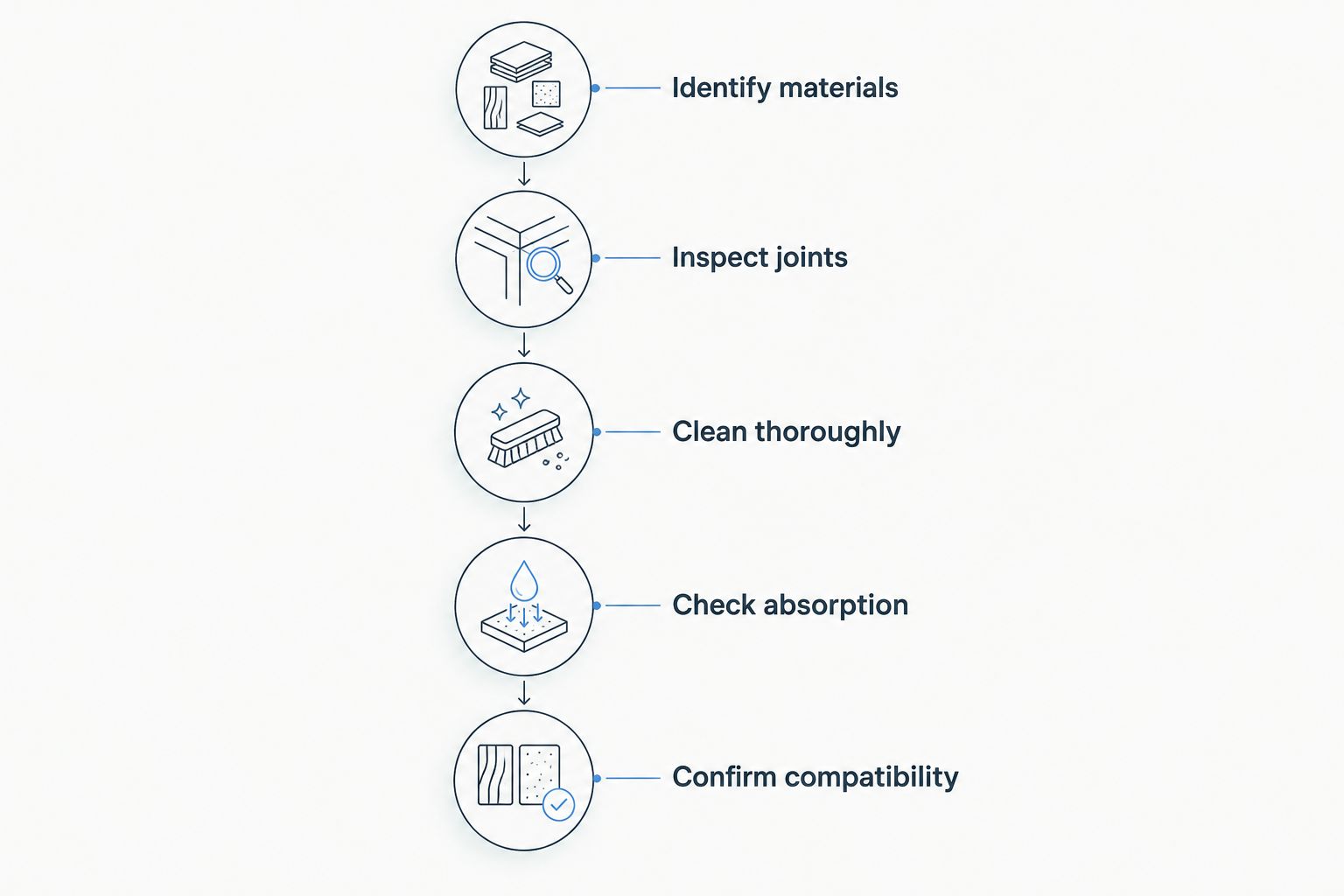
Use this sequence before adding sealing to a 2026 cleaning appointment. It keeps material identification ahead of product selection and puts repairs ahead of protection.
- Identify materials. Find the tile and grout product information, installation records, or manufacturer's care instructions. Do not identify epoxy grout or natural stone solely by color.
- Inspect joints. Look for cracked grout, missing sections, loose tile, or failed flexible joints. Arrange the appropriate repair before treating the surface.
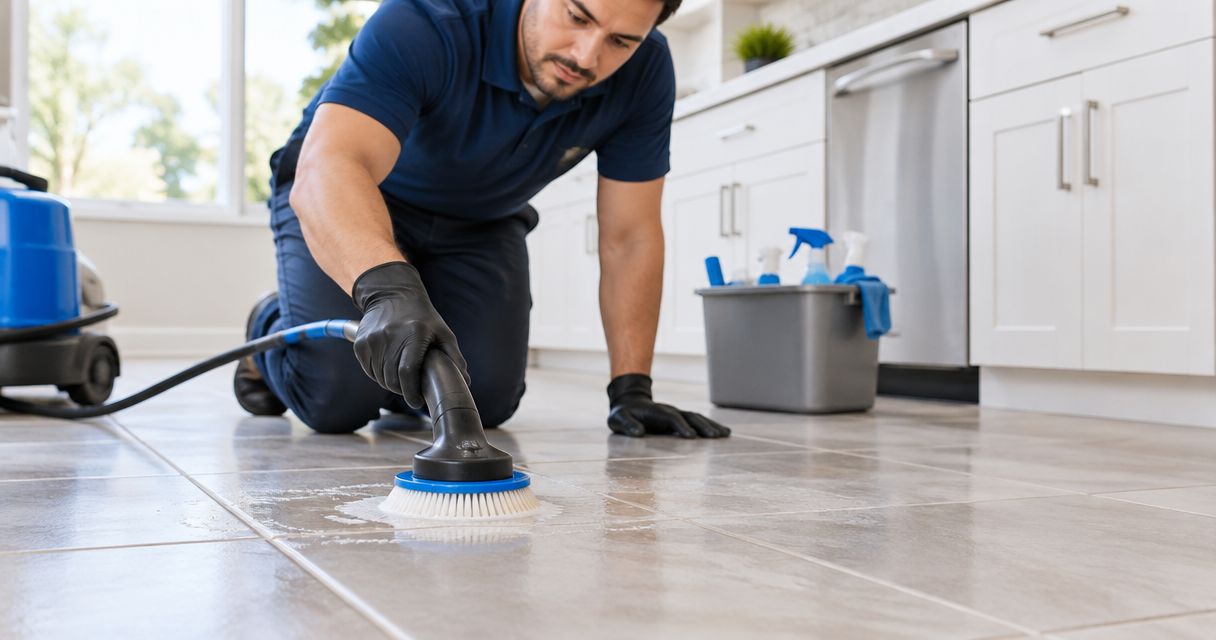
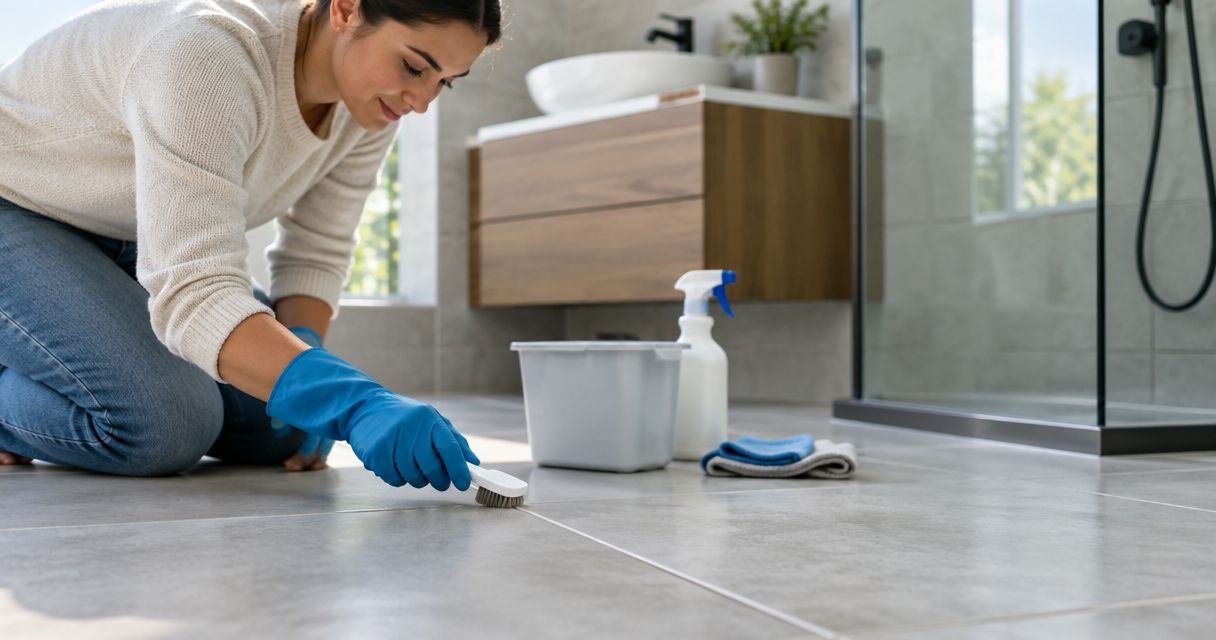
- Clean thoroughly. Remove soil and cleaner residue using a method compatible with the tile and grout. Let the surface reach the dryness required by the selected product.
- Check absorption. Follow the manufacturer's recommended assessment and test an inconspicuous area. Darkening after wetting can indicate absorption, but it does not identify the material by itself.
- Confirm compatibility. Check where the sealer belongs, how to remove excess, and when the treated area can return to use. Follow the product instructions rather than a generic schedule.
A water-beading demonstration is not a complete diagnosis. Surface residue and existing treatments can affect what you see. Use observations alongside the material information, not as a substitute for it.
Why the value of tile and grout sealing varies
The value of sealing in 2026 depends on what the treatment protects and how you maintain the surface afterward. These factors determine whether it addresses your actual problem:
- Material absorption: porous grout and absorbent stone have a different need from glazed tile and epoxy grout.
- Existing protection: previously treated grout needs an assessment before another application, not automatic layering.
- Exposure to spills: kitchen grease and food spills create a different staining concern from ordinary dry dust.
- Surface condition: cracks, missing grout, and loose tile require repair rather than stain protection.
- Cleaning practices: incompatible cleaners and leftover residue can create problems that sealing does not solve.
- Application requirements: cleanliness, dryness, compatibility, and removal of excess affect the result.
Choose sealing when it solves an absorption problem. If the issue is greasy buildup, recurring moisture, or damaged joints, address that cause first. Sealing belongs in a maintenance plan, not in place of a diagnosis.
Should you seal grout yourself or hire help?
A careful homeowner can apply a compatible grout sealer when the material is known, the surface is sound, and the instructions are clear. The advantage is direct control over preparation and application. The drawback is that an incorrect product or missed residue can leave you with extra cleanup.
Professional help is useful when you need cleaning before deciding on protection or when identifying the surface is difficult. Ask the provider to explain the material, the proposed treatment, and its limits. Hiring someone does not remove the need for those answers.
PowerPro Carpet Cleaning is a fit for Manalapan Township homeowners and businesses seeking local tile and grout cleaning. The family-owned company serves surrounding Central and North New Jersey counties. Its stated service includes cleaning; confirm whether sealing is available and appropriate for your floor rather than assuming it is included.
Call PowerPro Carpet Cleaning with the room type, the tile material if known, and a description of the problem. Through PowerPro Carpet Cleaning, ask about cleaning scope, existing stains, and the next step after cleaning. Request separate explanations for soil removal, stain protection, and any needed repair.
Discuss your tile and grout cleaning
Ask about cleaning your floor and whether sealing is appropriate for its tile and grout.
Does grout sealer make a shower waterproof?
Grout sealer does not make a shower waterproof. A shower depends on its properly installed waterproofing system, drainage, and intact joints. A penetrating stain-protection product does not repair a leaking assembly.
If you see recurring dampness outside the shower, loose tile, or damaged joints, investigate the cause. Do not cover the symptom with another sealer application and assume the water problem is fixed.
Can sealing fix grout that is already stained?
Sealing does not remove an existing grout stain. Clean first and assess the remaining discoloration before applying protection. Some marks need treatment beyond ordinary cleaning, and damaged grout needs repair.
If a provider proposes color sealing, ask how that differs from a clear penetrating sealer. Color treatment changes the appearance; a clear stain-protection treatment is not a promise to restore the original color.
How often should you reseal grout?
Reseal grout according to its condition and the product instructions, not a universal calendar. Material, exposure, cleaning products, and previous treatment all affect the decision. Inspect and reassess before adding another layer.
For a 2026 maintenance visit, ask whether the grout still needs protection after it has been cleaned and dried. A routine inspection is more useful than automatically resealing every surface on the same schedule.
FAQ
Is tile and grout sealing worth it for a kitchen floor?
Tile and grout sealing is worth considering for a kitchen with porous cement-based grout or suitable absorbent stone. It helps resist absorbed stains but does not remove grease, replace cleaning, or protect acid-sensitive stone from etching.
Do I need to seal porcelain tile and grout?
Glazed porcelain tile generally does not need penetrating sealer on its face, but cement-based grout can need separate protection. Check the tile and grout manufacturer's instructions because unglazed surfaces and different grout types require different care.
Can I seal grout without cleaning it first?
Clean grout before sealing it. Remaining soil and cleaner residue interfere with assessing the surface, and sealer does not remove existing dirt or stains.
Is grout sealer the same as waterproofing?
Grout sealer is not waterproofing. It helps reduce absorption of staining liquids on suitable surfaces but does not replace a shower's waterproofing system or repair leaks.
Does epoxy grout need to be sealed?
Epoxy grout generally does not need a penetrating sealer. Follow the particular grout manufacturer's instructions and clean surface residue rather than assuming discoloration means sealing is necessary.
Can sealed grout still get dirty?
Sealed grout still gets surface dirt and needs cleaning. Use a compatible cleaner, remove residue, and wipe up spills rather than treating sealing as a maintenance-free finish.
Who can help with tile and grout cleaning in Manalapan Township?
PowerPro Carpet Cleaning provides tile and grout cleaning for homeowners and businesses in Manalapan Township and surrounding Central and North New Jersey counties. Ask about your floor's material and whether any sealing treatment is available and appropriate.
One last thing
Dirty grout is not proof that the sealer has failed. The dirt can be sitting on the surface rather than absorbed into the joint. Clean first, then decide whether protection needs attention; adding treatment before that assessment can create unnecessary work.