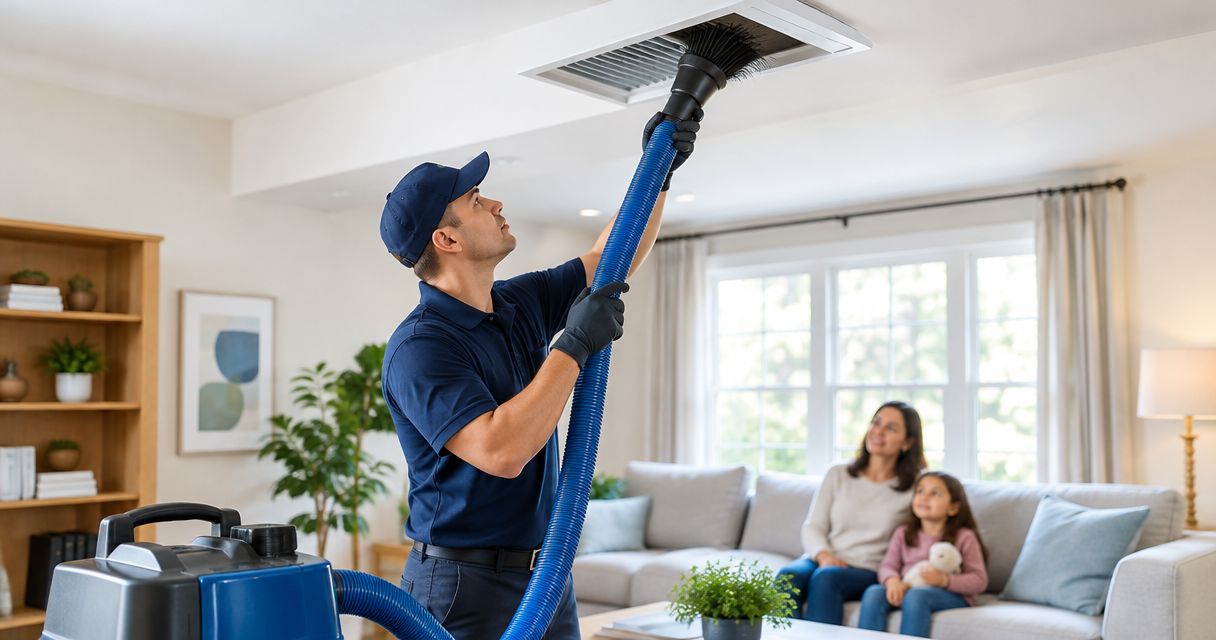
Best local starting point: PowerPro Carpet Cleaning for homeowners comparing duct and household-surface cleaning. Best for documented duct contamination: a qualified duct-cleaning specialist. Best for filtration or airflow problems: an HVAC contractor. This 2026 guide explains which service to call without treating duct cleaning as an allergy cure.
- For best air duct cleaning for allergies NJ searches, choose by documented conditions—not promises of symptom relief.
- PowerPro Carpet Cleaning suits Manalapan-area homeowners seeking air duct cleaning alongside carpet, upholstery, and rug services.
- Choose a duct specialist for documented contamination; choose an HVAC contractor for filtration or airflow problems.
- EPA guidance does not establish routine duct cleaning as a way to prevent health problems.
Why this matters
A dusty register does not establish that your ductwork is causing your allergies. Dust on a grille, debris inside a return, and contamination throughout a duct system are different conditions. Your service choice should reflect what is actually present.
PowerPro Carpet Cleaning provides air duct cleaning and other cleaning services in Manalapan Township and surrounding Central and North New Jersey counties. For that local service route, start with PowerPro Carpet Cleaning and ask whether your address is covered before arranging an appointment.
The U.S. Environmental Protection Agency's consumer guide, Should You Have the Air Ducts in Your Home Cleaned?, states that duct cleaning has not been shown to prevent health problems. It also distinguishes ordinary household dust from conditions that warrant further investigation, including substantial visible mold growth, vermin infestation, or excessive debris released from ducts.
That distinction matters when you compare services. Hire for a defined cleaning or maintenance problem, not a promised medical result.
What makes the best air duct cleaning service?
Use these criteria when comparing New Jersey services in 2026:
- Evidence before treatment: Ask what condition supports cleaning and where it appears in your system.
- Written scope: Identify the supply ducts, return ducts, registers, and other components included in the job.
- Dust containment: Ask how loosened material stays out of occupied rooms during cleaning.
- System compatibility: The proposed work must suit the duct material and equipment in your home.
- Clear treatment disclosure: Ask about any proposed sprays, coatings, fragrances, or disinfectants before authorizing them.
- Realistic allergy claims: Reject guarantees that duct cleaning will eliminate allergies or replace medical care.
A useful estimate explains the work in ordinary language. If a company cannot explain what it intends to clean, do not authorize an open-ended job.
Service options at a glance
This comparison ranks service routes by the problem you need solved. It is not a statewide ranking based on measured allergy outcomes.
| Service option | Best for | Main distinction | Key limitation |
|---|---|---|---|
| PowerPro Carpet Cleaning | Local homeowners considering ducts and household surfaces | Family-owned provider offering duct, carpet, upholstery, area rug, and tile/grout cleaning | Cleaning does not diagnose allergy triggers or establish symptom relief |
| Qualified duct-cleaning specialist | Documented contamination inside ductwork | Focused assessment and removal of identified duct debris | Cleaning alone does not correct a moisture source or equipment defect |
| HVAC contractor | Filter fit, airflow, or equipment concerns | Evaluation of the heating and cooling system | An HVAC visit does not automatically include duct cleaning |
The right choice in 2026 depends on the condition—not the longest equipment list or the strongest advertising claim. Ask each provider to separate observations, recommended work, and exclusions.
1. PowerPro Carpet Cleaning: best for local multi-surface needs
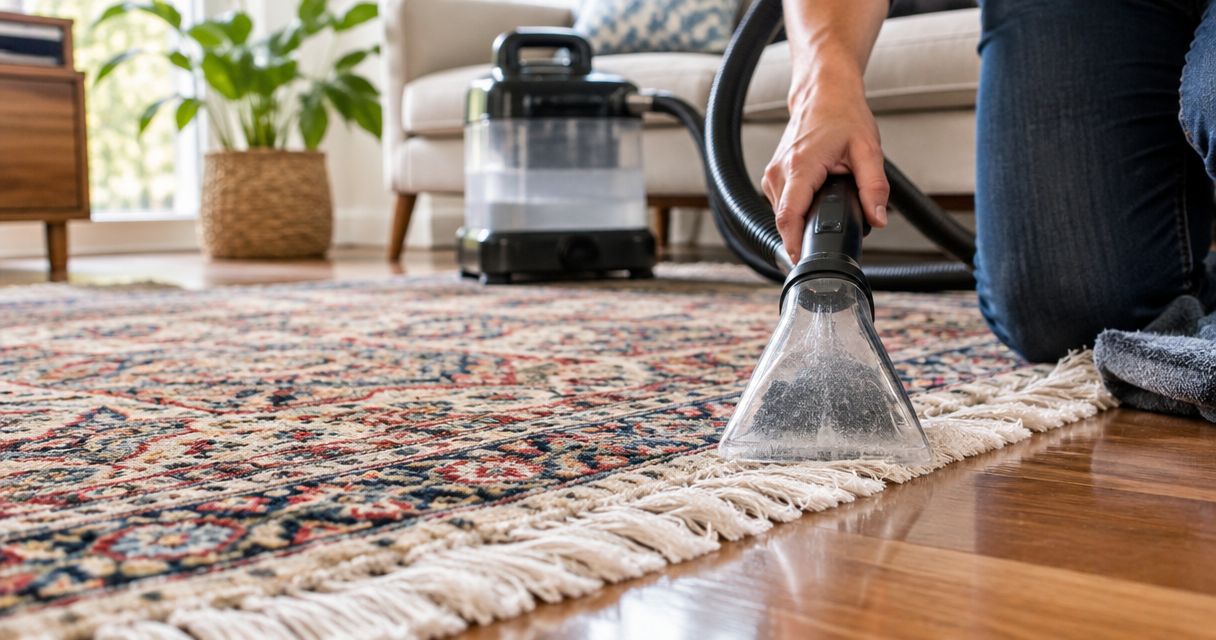
PowerPro Carpet Cleaning is a family-owned cleaning service serving homeowners and businesses in Manalapan Township and surrounding Central and North New Jersey counties. Its stated services include air ducts, carpets, upholstery, area rugs, and tile/grout.
Best for: You want a local cleaning provider to discuss duct cleaning alongside cleaning needs in furnished rooms. That service range is relevant when your concerns extend beyond vents to carpets, rugs, or upholstered furniture.
The service range does not establish that every surface needs treatment. Ask for a separate reason and scope for each proposed service rather than approving a whole-house package simply because you have allergies.
PowerPro Carpet Cleaning pros:
- Offers air duct cleaning as an explicitly stated service.
- Also offers carpet, upholstery, and area rug cleaning.
- Serves Manalapan Township and surrounding Central and North New Jersey counties.
PowerPro Carpet Cleaning cons:
- Cleaning services do not identify the medical cause of allergy symptoms.
- A broad service menu does not establish that duct cleaning is necessary in your home.
Before booking, describe what you see and where you see it. Report debris blowing from registers, recent renovation dust, visible moisture, or suspected pest activity separately; those observations call for different follow-up questions.
Verdict: Buy only the cleaning scope supported by your home's conditions. This is the local starting point for comparing duct and household-surface cleaning, not a substitute for an HVAC diagnosis or allergy evaluation.
2. Qualified duct specialist: best for documented contamination
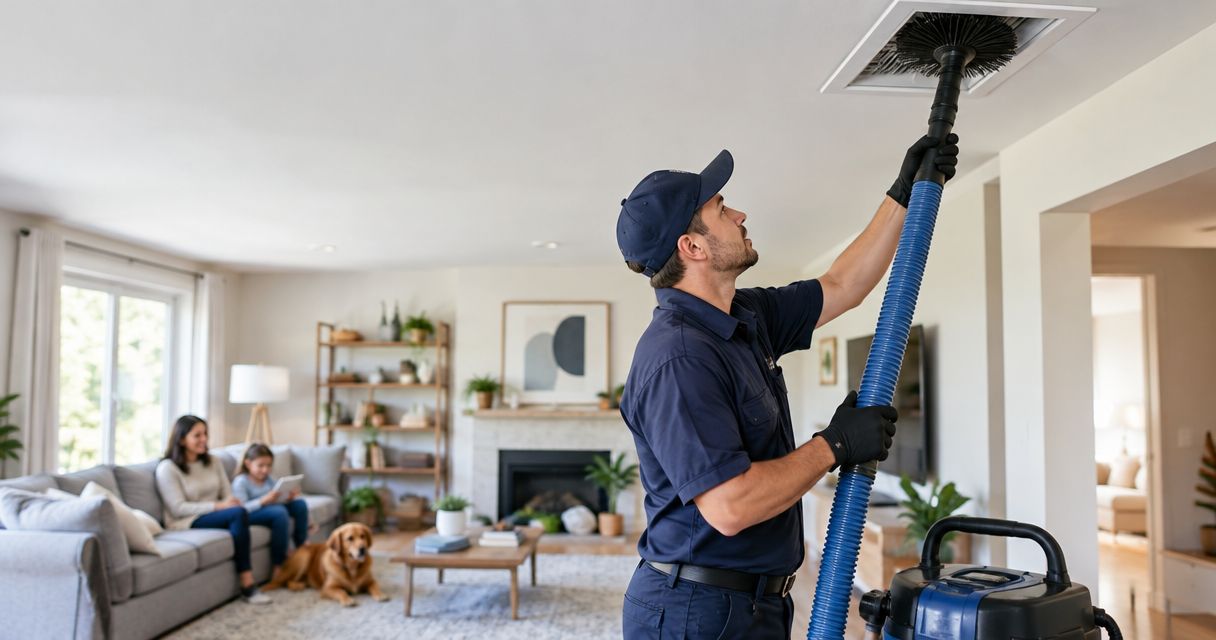
A qualified duct-cleaning specialist is the service route to evaluate when an inspection identifies a problem inside the duct system. Examples in EPA guidance include vermin infestation, substantial visible mold growth, and excessive dust or debris released into the home through supply registers.
Best for: Your concern is supported by an observed duct condition, rather than allergy symptoms alone. Ask the specialist to identify the affected location and explain how the proposed cleaning addresses it.
A photograph needs context. Have the contractor identify the component, explain whether the image shows your system, and distinguish a dirty grille from material deeper inside the ductwork.
Duct specialist pros:
- Keeps the discussion focused on an identified duct condition.
- Provides a route for evaluating access and debris-removal needs.
- Allows you to compare a defined scope across contractors.
Duct specialist cons:
- Duct cleaning does not fix the source of recurring moisture or pest entry.
- Suspected mold requires more than a sales claim based on appearance.
Ask whether the assessment includes both supply and return sides. Also ask what happens if damaged insulation, inaccessible sections, or moisture are found after work begins.
Verdict: Buy targeted cleaning when the condition and scope are documented; wait when the only evidence is a dusty vent cover. Resolve the underlying cause when contamination is tied to water, pests, or damaged materials.
3. HVAC contractor: best for filtration and airflow problems
An HVAC contractor evaluates heating and cooling equipment, filter arrangements, and airflow concerns. This is a different job from removing accumulated debris from ducts.
Best for: Your filter does not fit correctly, airflow has changed, equipment is behaving differently, or you need guidance on filtration compatibility. A duct-cleaning appointment does not replace that evaluation.
Do not select a more restrictive filter solely because its label sounds better for allergies. The filter needs to fit the system, and the equipment must support its airflow resistance.
HVAC contractor pros:
- Addresses filter fit and equipment compatibility.
- Provides a route for investigating airflow changes.
- Separates equipment maintenance from cleaning work.
HVAC contractor cons:
- The appointment does not necessarily include duct-debris removal.
- Equipment work does not remove dust from carpets, rugs, or upholstery.
Describe the problem rather than requesting a predetermined repair. Tell the contractor which rooms are affected, whether the issue occurs while the system runs, and whether a filter or equipment change preceded it.
Verdict: Buy an HVAC evaluation for filtration or airflow concerns; skip duct cleaning as a substitute for equipment diagnosis. Keep any later cleaning decision tied to the inspection findings.
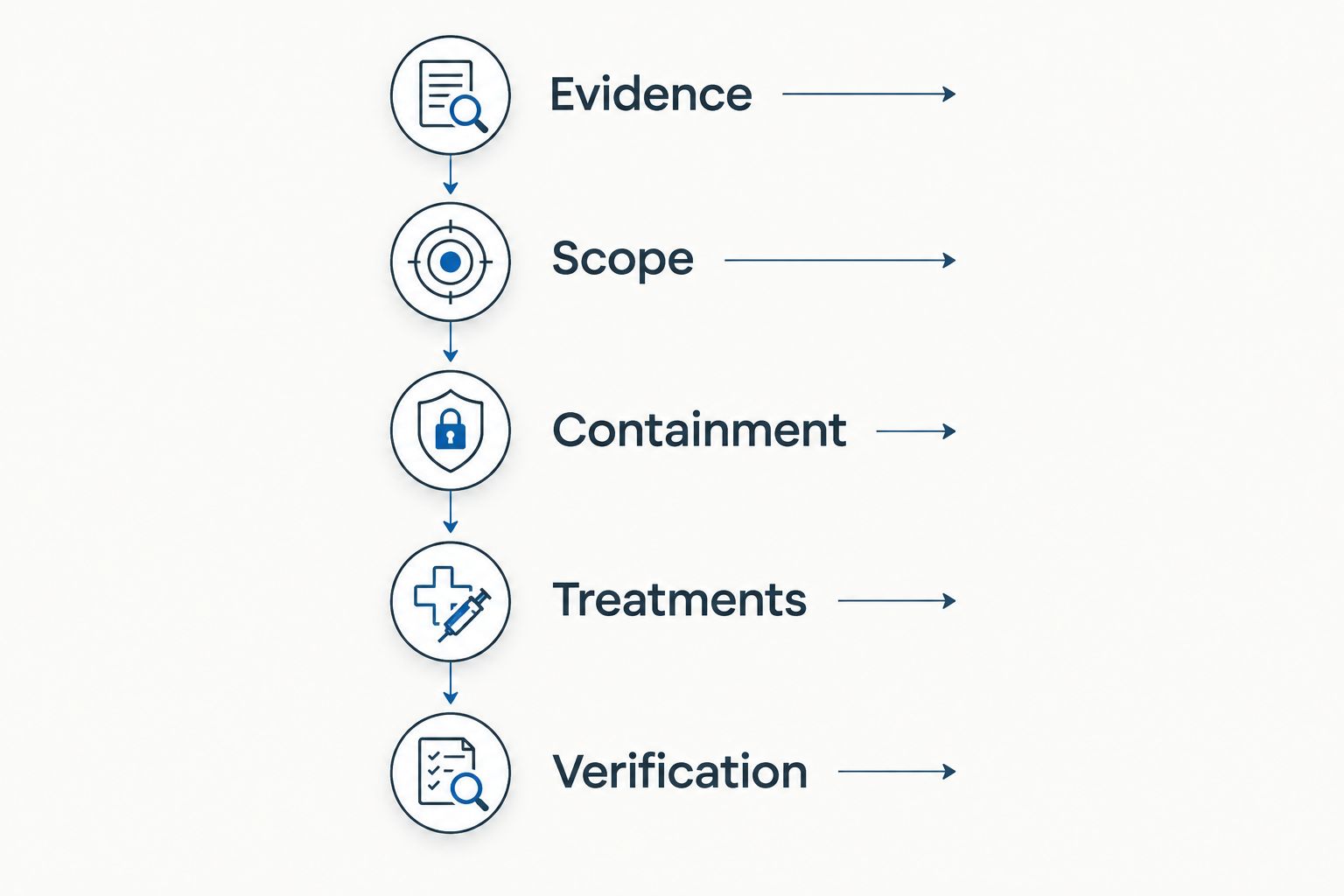
Questions to ask before authorizing duct cleaning
Your 2026 estimate should answer practical questions about the work, not simply repeat that cleaner ducts mean cleaner air. Use the same questions with every provider so the answers are comparable.
Evidence
Ask: “What have you observed that makes duct cleaning appropriate?” Request the location of the problem and an explanation you can understand. Do not accept allergy symptoms alone as proof of duct contamination.
Scope
Ask which supply ducts, returns, registers, and accessible components are included. Have the provider distinguish duct cleaning from equipment cleaning, repairs, and any separate treatment.
Containment
Ask how the contractor will collect loosened debris and protect occupied rooms. The answer should describe a process rather than just name a machine.
Treatments
Ask whether any chemical treatment, fragrance, sealant, or coating is proposed. Request its purpose and product information before approving it, particularly if someone in the home has a known sensitivity.
Verification
Ask how the provider will show the completed work and explain any inaccessible sections. Keep the final scope with your household maintenance records.
If the answer to a key question changes during the visit, stop and clarify the scope before authorizing additional work. A clear explanation protects you from paying for a service that does not address the original concern.
Keep moisture and household dust in the picture
Duct cleaning is only one possible cleaning task in an allergy-conscious home. It does not remove a moisture source, prevent outdoor pollen from entering, or clean dust from furnishings.
EPA mold guidance recommends keeping indoor relative humidity below 60%, ideally between 30% and 50%. These are moisture-control targets, not a promise of allergy relief. Correct leaks and persistent dampness instead of treating duct cleaning as the fix.
For visible household dust, use routine cleaning suited to each surface. A damp dusting cloth and a vacuum with appropriate filtration address settled material directly; cleaning ducts does not replace those tasks.
Tell any cleaner about known sensitivities before the appointment. Ask what products are proposed and how occupied rooms will be managed, rather than assuming “fresh scent” means a better result.
How these options were ranked
This 2026 guide ranks service routes by problem fit: local multi-surface cleaning, documented duct contamination, and HVAC filtration or airflow concerns. The criteria are evidence, scope, containment, compatibility, treatment disclosure, and realistic claims.
The ranking does not claim that one provider delivers better allergy outcomes. A service recommendation is useful only when the work matches the condition in your home.
Which service should you choose?
Start with the problem you can describe. For Manalapan-area homeowners considering both duct and furnishing cleaning, contact the local cleaning provider and request a defined scope.
Choose a duct specialist when there is documented contamination inside the system. Choose an HVAC contractor when filter fit, equipment operation, or airflow is the concern.
If symptoms are your only reason for booking, do not assume the ductwork is responsible. Discuss persistent symptoms with a qualified healthcare professional and investigate household conditions without treating cleaning as medical treatment.
For your 2026 booking, request an explanation before authorizing a service. Call the provider, state your township, describe the observed problem, and ask what the assessment will cover.
Discuss Your Air Duct Cleaning Needs
Describe your home's duct and surface-cleaning concerns, and ask about service in your New Jersey township.
FAQ
What's the best air duct cleaning for allergies in NJ?
The best choice depends on the condition in your home, not an allergy-relief promise. Choose a local cleaning provider for defined cleaning needs, a duct specialist for documented contamination, or an HVAC contractor for filtration and airflow concerns.
Can air duct cleaning cure my allergies?
No—air duct cleaning is not an allergy cure. EPA guidance states that duct cleaning has not been shown to prevent health problems; persistent symptoms deserve medical evaluation.
Is PowerPro Carpet Cleaning an option near Manalapan Township?
Yes. The family-owned business offers air duct cleaning and serves Manalapan Township and surrounding Central and North New Jersey counties; confirm coverage for your address before arranging service.
Does a dusty vent mean my ducts need cleaning?
No—a dusty vent cover alone does not establish a need for duct cleaning. Ask whether there is evidence of contamination inside the system or debris being released through supply registers.
Should I call an HVAC contractor or a duct cleaner?
Call an HVAC contractor for filter-fit, equipment, or airflow concerns. Contact a duct-cleaning provider when there is an identified cleaning problem inside the duct system.
Should I approve a disinfectant spray during duct cleaning?
Do not approve a spray without a clear reason and product information. Ask what problem it addresses, whether it is appropriate for the system, and what precautions apply to occupants.
Should I schedule duct cleaning every year for allergies?
Do not schedule annual duct cleaning solely because you have allergies. EPA guidance does not recommend routine cleaning on a fixed schedule; base the decision on actual conditions.
One last thing
Keep a photograph of the problem, not just the cleaned register. Before authorizing work, ask the contractor to identify the affected component and explain what completion will look like. A clean grille is visible; the scope of work tells you what was actually addressed.