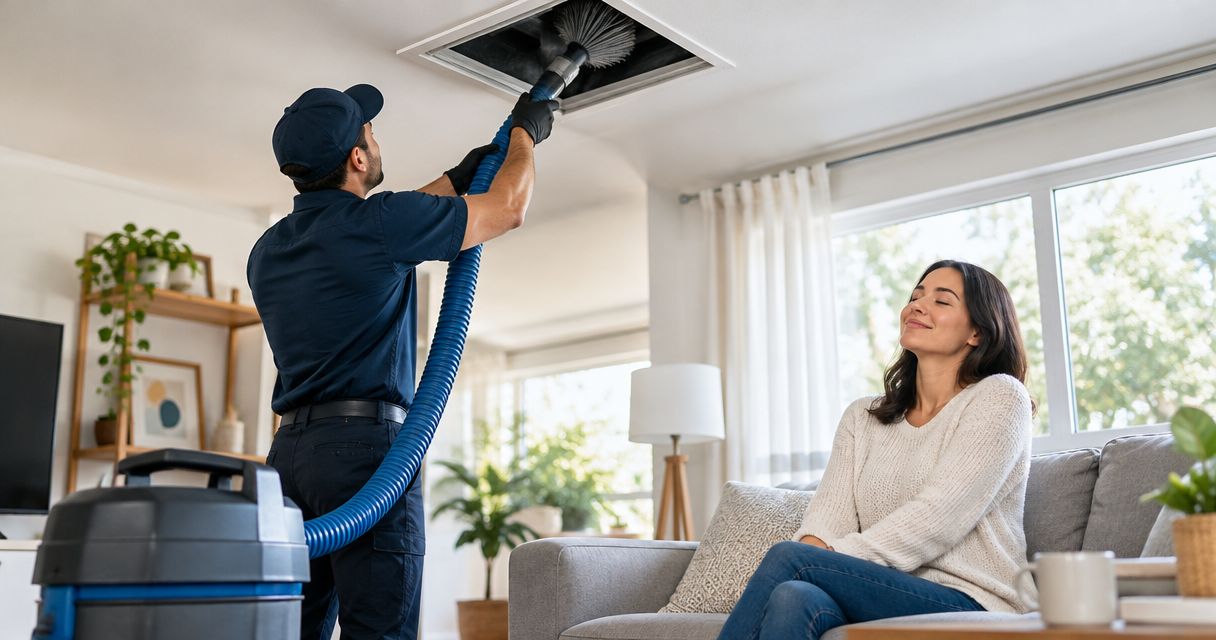
Air duct cleaning removes accumulated material from ductwork, but it has not been shown to reliably relieve allergies or prevent health problems. Consider it when an inspection finds substantial contamination, pests, or debris coming from supply vents—not simply because someone in your home sneezes. For allergy control, match the action to the trigger: pollen, dust mites, pet allergens, and dampness require different responses.
- Can air duct cleaning help allergies? Removing duct contamination is not the same as proven symptom relief.
- EPA guidance supports investigating substantial contamination, pest infestations, and particles released from supply registers.
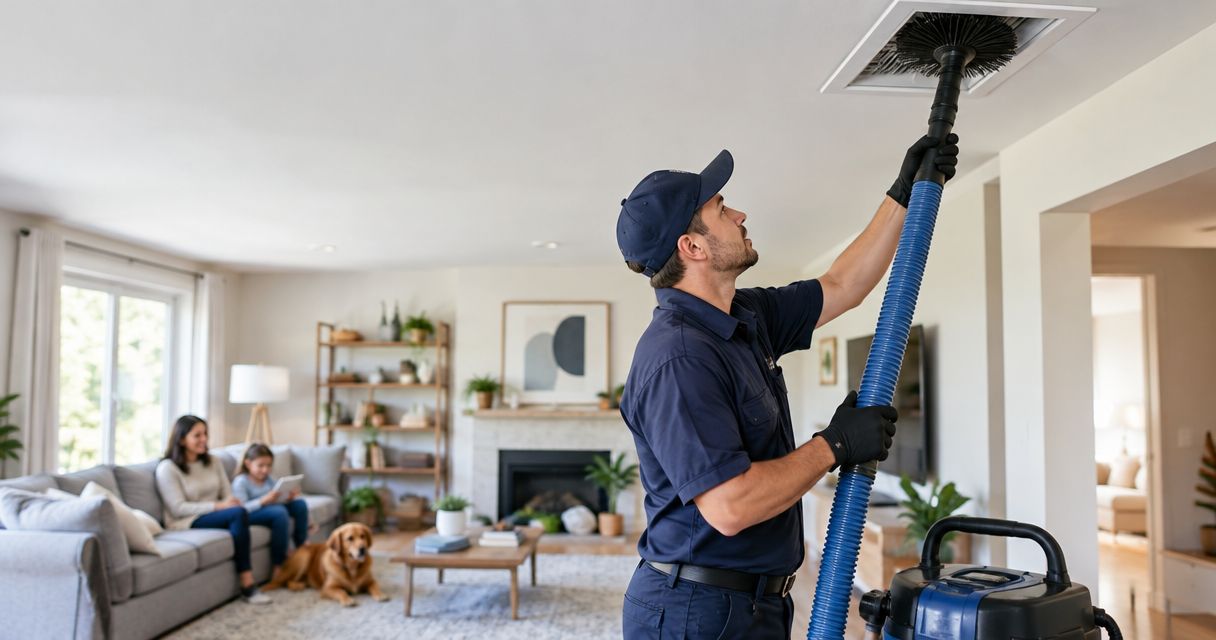
- PowerPro Carpet Cleaning provides local air duct cleaning; choose the service for a documented cleaning need, not an allergy cure.
- Address allergy triggers through source control, suitable filtration, and moisture management—not duct cleaning alone.
Can air duct cleaning help with allergies?
Air duct cleaning is a cleaning service, not a proven allergy treatment. The U.S. Environmental Protection Agency's homeowner guidance states that duct cleaning has never been shown to actually prevent health problems. It also explains that dirty ducts do not necessarily increase particle levels inside a home because much of the material adheres to duct surfaces.
For this 2026 guide, the relevant evidence is that distinction—not a promise that removing visible dust will stop symptoms. If you are investigating recent HVAC work or construction debris, the duct-cleaning workflow after HVAC installation provides related planning guidance.
| Action | Best for | What it addresses | Main limitation |
|---|---|---|---|
| Air duct cleaning | Documented contamination inside ductwork | Accumulated material in the inspected system | Allergy relief is not established |
| HVAC filter maintenance | Particles circulating through a compatible system | Airborne particles captured by the filter | Does not remove settled dust from furnishings |
| Portable HEPA filtration | Airborne particles in the room being treated | Particles passing through the purifier | Does not remove the source or treat the whole home automatically |
| Carpet and upholstery cleaning | Soil accumulated in soft furnishings | Material held in the cleaned surfaces | Does not stop new allergens entering the home |
| Moisture correction | Dampness or suspected mold conditions | The conditions supporting mold growth | Existing contaminated material still needs assessment |
Choose the action that addresses the observed problem. None of these measures diagnoses your allergy trigger, and none replaces prescribed treatment.
Why this matters
A dusty vent cover, an overdue filter, and damp insulation are different problems. Treating all three as a reason to clean ducts can leave the actual source untouched.
That matters in a Manalapan Township home just as it does elsewhere in Central and North New Jersey. Local service coverage helps you arrange cleaning, but location alone does not establish whether ductwork is causing symptoms.
Start with the source, not the service. If symptoms persist, a clinician can help identify the trigger while an HVAC professional investigates equipment, filtration, or moisture concerns. Keep those roles separate.
When air duct cleaning deserves consideration
The EPA identifies specific conditions that justify considering duct cleaning. These are inspection findings—not a routine calendar reminder and not a diagnosis based on sneezing.
Substantial visible mold: investigate the moisture source
Substantial visible mold growth inside hard-surface ducts or on other HVAC components deserves investigation. Ask the inspector to show you the affected area and explain what supports the identification; a dark mark alone does not confirm mold.
Correct the moisture problem before treating cleaning as the solution. Otherwise, the conditions supporting growth remain. Wet or mold-contaminated duct insulation can require replacement rather than cleaning, so the material matters as much as the appearance.
Do not open inaccessible equipment or disturb suspected contamination yourself. Request an assessment that distinguishes the duct surface, insulation, and nearby components.
Pest evidence: address the infestation as well as the debris
Evidence that ducts are infested with rodents or insects is another EPA-listed reason to consider cleaning. Removing debris without addressing how pests entered leaves an unresolved problem.
Ask who will handle pest control and entry-point repairs. A cleaning appointment and an infestation treatment are different jobs, even when both are needed.
Excessive debris: confirm whether particles leave supply vents
The EPA also identifies ducts clogged with excessive dust and debris, or particles actually released into the home from supply registers, as reasons to consider cleaning. This is different from dust collected on the outside of a grille.
Have the affected area inspected. Record which vent releases material and when it happens, but do not assume the entire system has the same condition without evidence.
For a 2026 service decision, documented contamination is a stronger basis than the age of the house. An older home is not automatically a duct-cleaning candidate, and a recently renovated home still needs inspection before you select a service.
Why allergy outcomes vary
The effect of any household cleaning step depends on what you are exposed to and where that exposure occurs. These factors explain why duct cleaning alone cannot carry a dependable symptom-relief promise:
- Your allergy trigger. Pollen, dust mites, animal allergens, and mold are different exposures. Removing duct debris does not address all of them.
- Where material collects. Bedding, carpets, upholstered furniture, and other surfaces can hold material outside the duct system.
- Whether particles become airborne. Dust attached to a duct surface is not equivalent to dust entering the room through a supply vent.
- Filter fit and system compatibility. Air bypassing a poorly fitted filter escapes that filter's intended capture path. Filter selection also has to suit the equipment.
- Moisture conditions. Cleaning does not repair leaks or resolve persistent condensation.
- Continued exposure. Outdoor pollen and material brought into the home remain relevant after a cleaning appointment.
Keep the claim narrow: cleaning removes material from the areas cleaned. A health outcome requires separate evidence.
What should you do before booking duct cleaning?
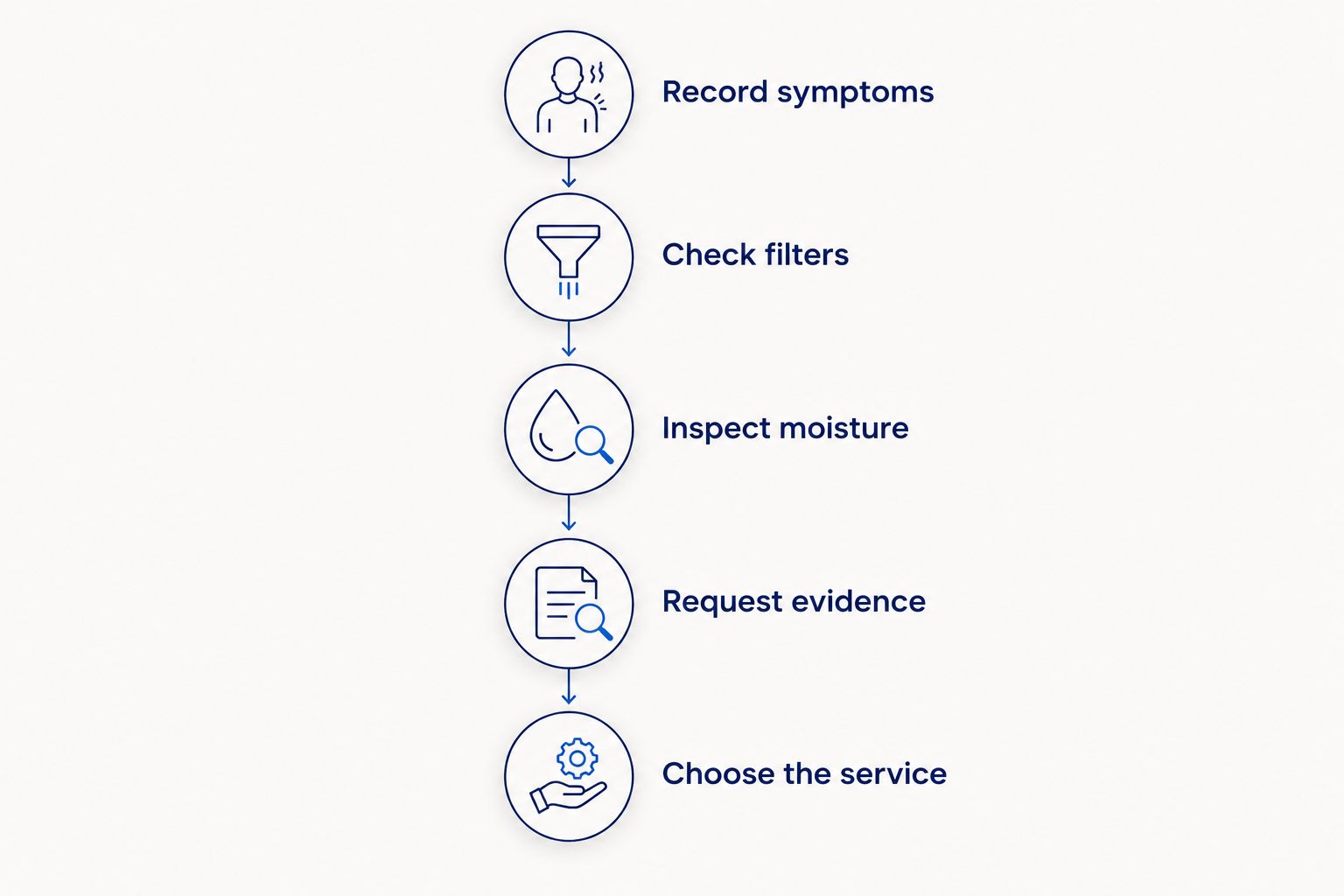
Use this sequence to separate an allergy concern from a confirmed ductwork problem. You do not need to diagnose the system yourself.
- Record symptoms. Note the rooms, activities, and circumstances associated with symptoms. Share persistent symptoms with your clinician rather than treating the pattern as proof of a duct problem.
- Check filters. Follow the equipment manufacturer's instructions for inspection and replacement. Confirm that the filter fits correctly and that the system supports its rating.
- Inspect moisture. Look for accessible signs of leaks, dampness, or condensation. Have hidden or equipment-related concerns assessed professionally.
- Request evidence. Ask for photographs or a direct view of any claimed duct contamination. Request an explanation of the location and material involved.
- Choose the service. Match the work to the finding: cleaning for accumulated debris, repairs for equipment problems, and appropriate assessment for pests or moisture.
For your 2026 booking conversation, ask what the proposed work includes and excludes. Cleaning a register cover is not the same scope as cleaning accessible ductwork and associated components.
Is changing the HVAC filter better than cleaning ducts for allergies?
Filter maintenance and duct cleaning address different conditions. A filter captures particles from air passing through it; duct cleaning removes material from the surfaces included in the work.
EPA guidance recommends using a filter rated MERV 13, or the highest rating your system can accommodate, when improving HVAC filtration. Check compatibility with the equipment manufacturer or an HVAC professional instead of installing a more restrictive filter without guidance.
A portable HEPA air cleaner provides room-level particle filtration. Under the EPA's HEPA definition, the filter removes at least 99.97% of airborne particles measuring 0.3 micrometers under the applicable test conditions.
Those figures describe filter performance, not a promised reduction in allergy symptoms. Room size, airflow, placement, and continued exposure still matter. In 2026, select filtration for your actual room or HVAC system—not simply because the packaging mentions allergies.
Will cleaning carpets and upholstery solve the same problem?
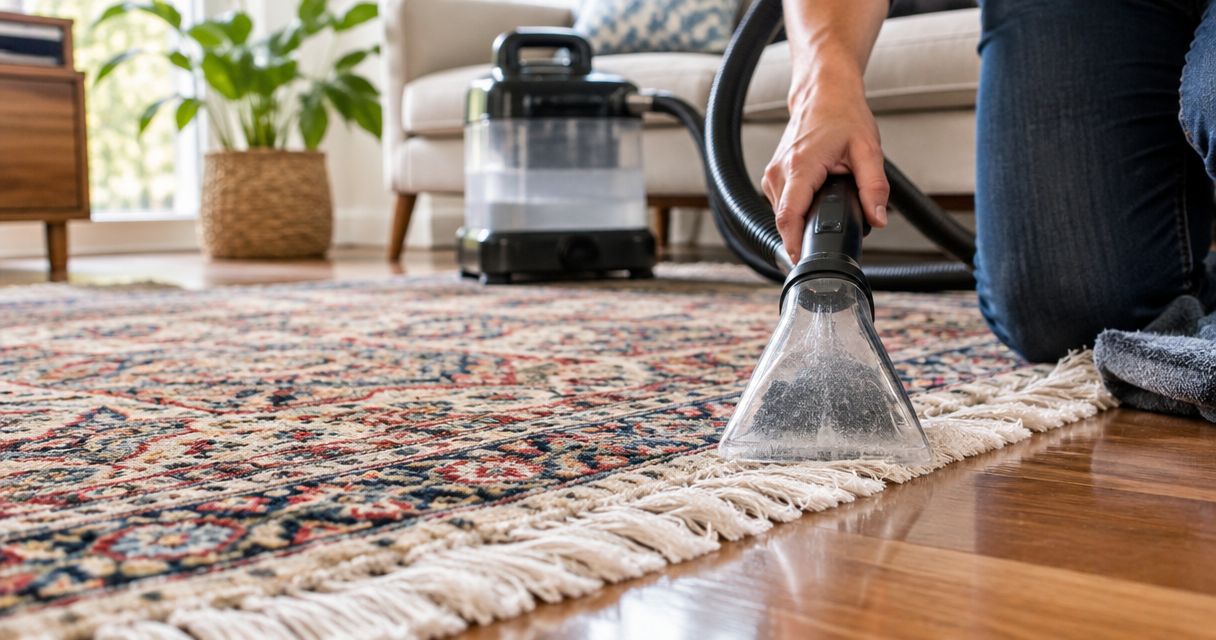
Carpet and upholstery cleaning addresses material in soft furnishings, not contamination inside HVAC ducts. It is a different cleaning task and should be selected on that basis.
If the issue is visible soil or accumulated material in a rug or couch, duct cleaning leaves that surface untouched. Equally, cleaning a couch does not remove debris lodged inside a supply duct.
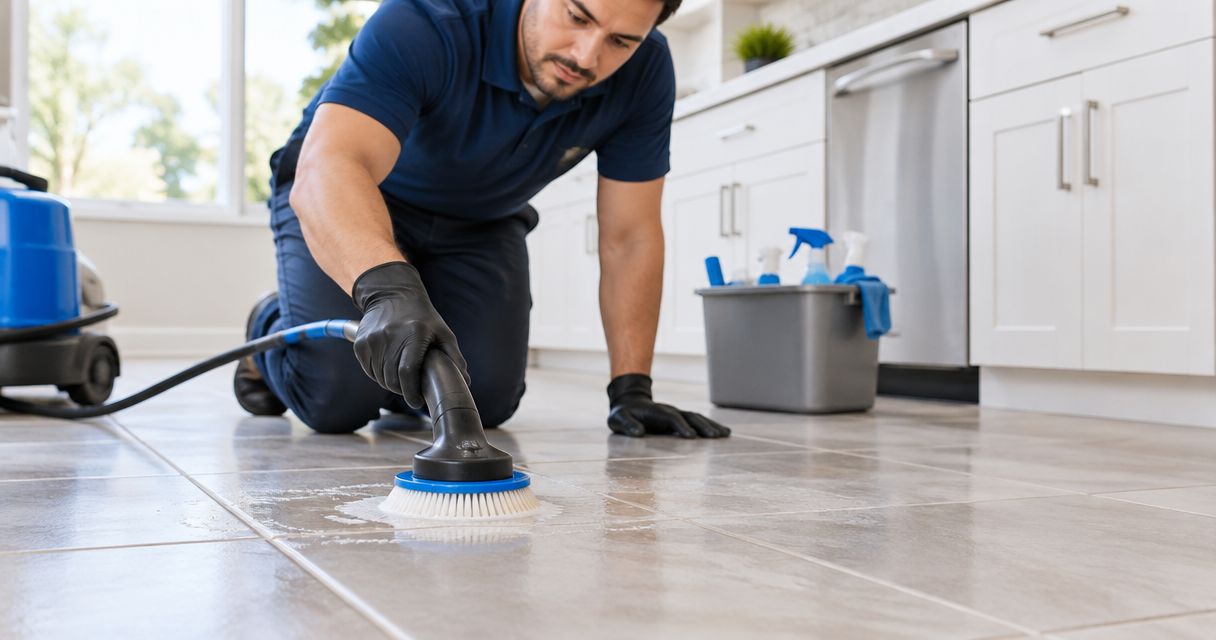
PowerPro Carpet Cleaning's air duct cleaning service is best for local homeowners and businesses with an identified duct-cleaning need, not those seeking a guaranteed allergy cure. The family-owned business serves Manalapan Township and surrounding Central and North New Jersey counties and also provides carpet, upholstery, area rug, and tile/grout cleaning.
The practical advantage is access to those stated cleaning services; the limitation is that cleaning does not diagnose allergies or establish symptom relief. Call PowerPro Carpet Cleaning to discuss the condition you want addressed and ask which service fits it.
Discuss Your Duct Cleaning Needs
Review the cleaning service information, then call to explain the condition you need addressed.
Can duct cleaning remove mold and stop allergy symptoms?
Duct cleaning does not provide a dependable promise of mold removal across every material or relief from allergy symptoms. Suspected mold requires assessment of both the affected material and the moisture source.
EPA guidance recommends keeping indoor relative humidity below 60%, ideally between 30% and 50%, to help control moisture conditions. That guidance concerns moisture management; it is not a duct-cleaning schedule or an allergy-treatment target.
If insulation is wet or mold-contaminated, ask whether replacement is necessary. Do not accept a proposal that treats spraying a substance into the system as a substitute for correcting the cause.
How often should you clean ducts if you have allergies?
There is no evidence-based routine duct-cleaning interval that guarantees allergy relief. EPA guidance does not recommend routine duct cleaning and instead focuses on whether specific contamination conditions exist.
Follow the manufacturer's maintenance guidance for your HVAC equipment and filters. Reassess ductwork when there is a relevant finding, such as pest evidence or particles released from supply vents—not simply because another year has passed.
FAQ
Can air duct cleaning help allergies in 2026?
Air duct cleaning has not been shown to reliably relieve allergies. Consider it for documented duct contamination while addressing allergy triggers, filtration, and moisture separately.
Does dust on a vent mean my ducts need cleaning?
Dust on a vent cover alone does not establish a need for duct cleaning. The EPA identifies excessive duct debris or particles actually released from supply registers as more relevant findings.
What's the best HVAC filter rating to consider for airborne particles?
MERV 13, or the highest rating your system can accommodate, is the EPA's recommendation for improving HVAC filtration. Confirm compatibility and correct fit before changing the filter rating.
Will a HEPA purifier clean the dust inside my ducts?
A HEPA purifier does not clean duct surfaces. It captures particles in air passing through the device in the room where it operates.
What humidity level should I aim for if dampness is a concern?
Indoor relative humidity should ideally stay between 30% and 50%, according to EPA moisture guidance. Correct leaks and condensation rather than relying on cleaning alone.
Should I book duct cleaning every year because I have allergies?
Allergies alone do not establish a need for annual duct cleaning. Use inspection findings to decide whether cleaning is appropriate, and follow separate equipment maintenance instructions.
Does PowerPro Carpet Cleaning provide air duct cleaning near Manalapan Township?
PowerPro Carpet Cleaning provides air duct cleaning for homeowners and businesses in Manalapan Township and surrounding Central and North New Jersey counties. Call to discuss your location and cleaning needs; do not treat the service as medical treatment.
One last thing
Dust you can see is not proof of the exposure causing your symptoms. Before you approve duct cleaning in 2026, ask the provider to show you the condition the work will address and explain why that condition calls for cleaning.
Keep photographs and the written scope with your household maintenance records. If symptoms continue, take that information to your clinician rather than booking another cleaning appointment on assumption.