Best overall for sound, absorbent grout: a clean-and-clear-seal service. Best for uneven grout color: a compatible color-sealing service. Best for cracked or loose grout: repair before sealing. For a local tile-and-grout cleaning assessment in 2026, start with PowerPro Carpet Cleaning and ask whether sealing is included in the proposed work.
- The best grout sealing service NJ homeowners choose should identify grout type, clean thoroughly, and follow sealer instructions.
- PowerPro Carpet Cleaning serves Manalapan Township and surrounding Central and North New Jersey communities; confirm sealing scope before booking.
- Choose clear sealing for sound, absorbent grout; consider color sealing when compatible grout remains uneven after cleaning.
- Repair loose or cracked grout first. Sealing does not repair failed joints or waterproof a shower.
Why sealing quality matters
A clean floor and a correctly sealed floor are different results. Cleaning removes soil; a suitable sealer helps protect absorbent grout against staining. Neither task replaces repairing damaged joints or fixing a moisture problem.
For your 2026 service comparison, judge the proposed work rather than the equipment name. A provider should explain what grout you have, whether it needs sealing, and how the floor must be treated afterward. A promise to make grout look clean does not answer those questions.
PowerPro Carpet Cleaning is a local tile-and-grout cleaning option for homeowners and businesses in Manalapan Township and surrounding Central and North New Jersey communities. Ask specifically about grout sealing before treating a cleaning appointment as a sealing appointment.
What makes the best grout sealing service
Use these criteria before choosing a service scope. They separate useful protection from an application that looks finished but does not address your floor's condition.
- Material identification: The provider distinguishes cement-based grout from epoxy grout and identifies tile or stone that needs different treatment.
- Cleaning preparation: Soil, cleaning residue, and incompatible existing coatings are addressed before any new sealer goes down.
- Moisture readiness: Application follows the selected product's requirements for surface condition and drying.
- Sealer compatibility: The provider names the proposed product and explains why it suits your grout, tile, and room.
- Application control: Instructions cover coverage, contact time, excess removal, and any required additional application.
- Written aftercare: You receive instructions for walking, washing, water exposure, and routine cleaning that match the actual product.
A service that cannot explain these points has not established sealing quality. Before approving work, request the product name and application instructions—not a general claim that every floor gets the same treatment.
Grout sealing services at a glance
This 2026 ranking compares service approaches by the condition they address. It is a selection guide, not a measured performance ranking of New Jersey contractors.
| Rank and service approach | Best for | Standout benefit | Key limitation |
|---|---|---|---|
| 1. Clean and clear seal | Sound, absorbent grout with an acceptable color | Adds stain resistance without intentionally recoloring grout | Does not hide permanent discoloration or repair damage |
| 2. Clean and color seal | Compatible grout with persistent uneven color | Combines a deliberate color change with surface protection | Requires suitable preparation and product-specific maintenance |
| 3. Repair, clean, and assess sealing | Cracked, loose, or missing grout | Addresses damaged joints before considering protection | Sealing must wait until repairs meet material instructions |
| 4. Clean without added sealer | Grout whose manufacturer does not require sealing | Avoids unnecessary treatment | Does not add protection where an absorbent grout needs it |
1. Clean and clear seal: best for sound, absorbent grout
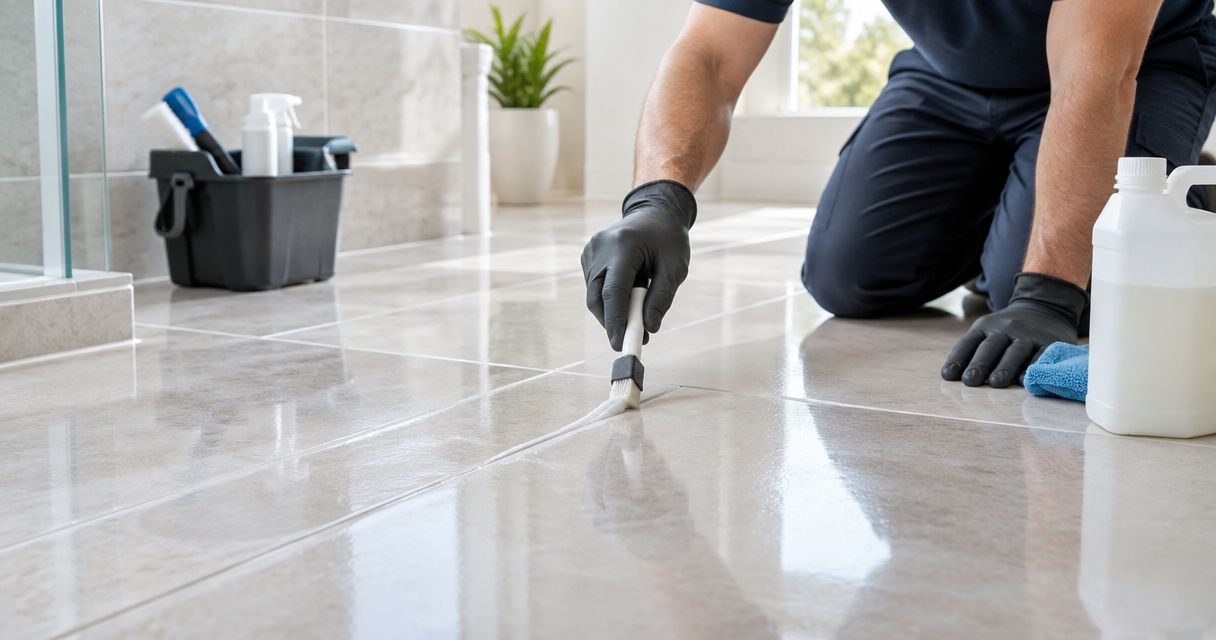
A clean-and-clear-seal service removes soil, allows the surface to meet the sealer's moisture requirements, and applies a compatible clear product. It is the default approach to discuss when cement-based grout is intact and you want to preserve its existing appearance.
The deciding question is whether the cleaned grout is absorbent and suitable for the selected product. Do not assume a clear sealer will restore the original color. Trapped discoloration and previous treatments require separate assessment.
Clean-and-clear-seal pros:
- Preserves the existing grout color rather than deliberately replacing it.
- Adds stain resistance when the product suits the grout.
- Fits sound grout that needs protection rather than structural repair.
Clean-and-clear-seal cons:
- Does not conceal permanent staining or inconsistent repairs.
- Does not repair cracks, loose joints, or water damage.
- Requires later maintenance according to use and product instructions.
Best for: Kitchens, entries, and other tiled areas with sound, absorbent grout and an acceptable appearance after cleaning.
Ask the provider to show you a cleaned test area before approving the finish. Assess that area under normal room lighting, not only while it is wet. Wet grout can look different from dry grout, so an immediate appearance change is not proof of the final result.
Verdict: Buy this service for sound, absorbent grout once compatibility and preparation are confirmed.
2. Clean and color seal: best for persistent uneven color
A color-sealing service uses a compatible pigmented treatment to change or even out grout appearance. It suits a different problem from clear sealing: grout that remains visually inconsistent after appropriate cleaning.
Color sealing is not a substitute for removing soil or fixing failing joints. The provider must establish that the product can bond to the prepared grout and explain how it will affect future care.
Clean-and-color-seal pros:
- Offers a deliberate color choice rather than relying on the existing shade.
- Can address persistent visual variation in compatible, sound grout.
- Lets you approve the intended appearance on a small sample area.
Clean-and-color-seal cons:
- Changes the finish rather than simply preserving the original appearance.
- Depends on thorough preparation and compatibility with previous treatments.
- Requires care that matches the applied coating's instructions.
Best for: Sound grout with an uneven appearance that remains after cleaning, when you want a consistent color.
For a 2026 color-sealing quote, ask whether a sample is included in the assessment. Compare the sample with your tile, cabinets, and adjacent rooms. Also ask how future spot repairs will be matched; approving a color without knowing the product leaves an avoidable maintenance question.
Verdict: Buy for a planned color correction; skip it if you want to preserve the untreated grout's appearance.
3. Repair, clean, and assess sealing: best for damaged joints
Cracked, loose, or missing grout needs a repair assessment before sealing. A sealer treats a suitable surface; it does not rebuild a joint, secure loose tile, or correct movement beneath a floor.
Ask the contractor to identify damaged areas and separate repairs from cleaning and sealing in the written scope. If the damage relates to movement or water intrusion, address that cause rather than repeatedly covering the visible symptom.
Repair-first service pros:
- Puts damaged joints ahead of cosmetic improvement.
- Separates repair decisions from stain-protection decisions.
- Provides a chance to investigate recurring cracks or moisture concerns.
Repair-first service cons:
- Requires more coordination than a straightforward cleaning appointment.
- Replacement grout can differ in appearance from surrounding joints.
- Sealing must follow the repair material's curing requirements.
Best for: Floors or walls with missing grout, recurring cracks, loose material, or questionable prior repairs.
Take photographs of the damaged areas before requesting an assessment. Tell the contractor whether cracks return after repair and whether nearby surfaces stay damp. Those observations help define the inspection; they do not establish the cause by themselves.
Verdict: Hold sealing until the damaged joints and their cause have been assessed.
4. Clean without added sealer: best when sealing is unnecessary
Not every grout installation needs an added sealer. Epoxy grout generally does not require conventional penetrating grout sealer; follow the grout manufacturer's instructions rather than accepting a blanket recommendation.
Cleaning-only service also makes sense when the grout type is not yet identified. Establish what is installed before approving another treatment, particularly where an existing coating or previous color treatment is present.
Cleaning-only pros:
- Avoids applying a product the grout does not require.
- Keeps cleaning separate from an unconfirmed treatment recommendation.
- Allows an informed decision after soil and residue are removed.
Cleaning-only cons:
- Does not add stain protection to absorbent grout that needs it.
- Does not correct permanent color variation.
- Still requires material-appropriate cleaners and maintenance.
Best for: Grout with manufacturer guidance that does not call for sealing, or an assessment stage before treatment selection.
Ask the provider to record why sealing is unnecessary. “This grout does not need that product” is a useful answer only when it rests on material identification, not convenience.
Verdict: Skip added sealer when the grout manufacturer's guidance does not call for it.
What a sealing-quality appointment should cover
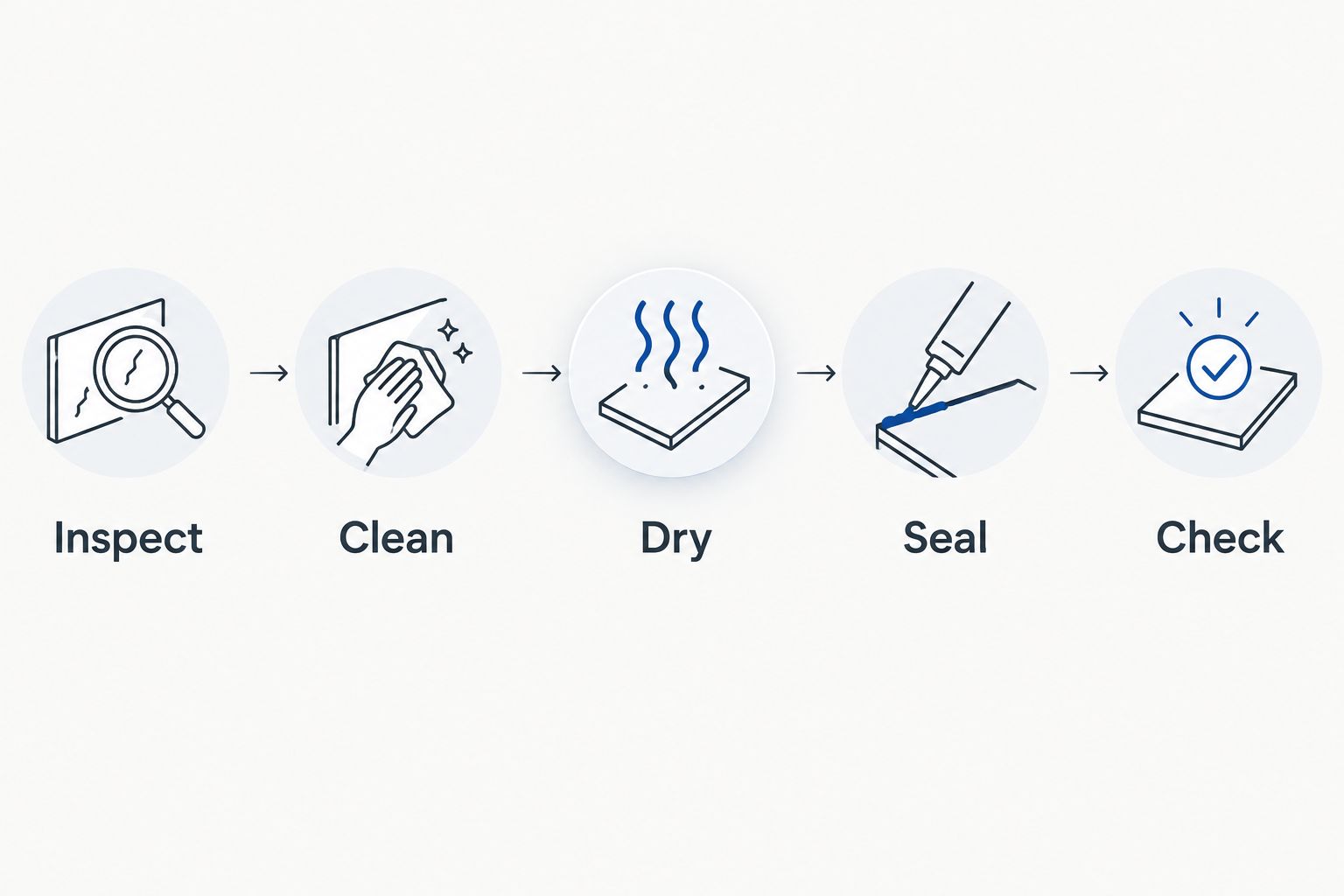
Use this sequence when comparing your 2026 proposals. The details depend on the actual grout and sealer, but the order keeps treatment decisions tied to the condition of your floor.
- Inspect: Identify tile, grout, existing treatments, damaged joints, and moisture concerns.
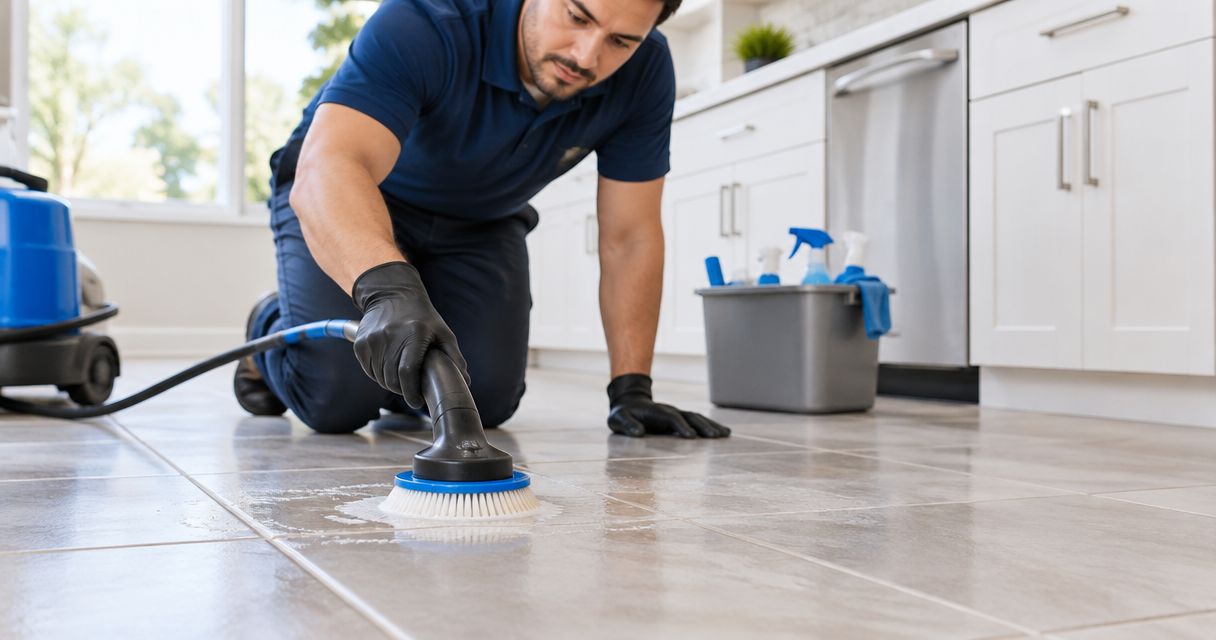
- Clean: Remove soil using a method appropriate for the materials and address cleaning residue.
- Dry: Meet the selected product's requirements before application; do not substitute an assumed waiting period.
- Seal: Apply the compatible product according to its instructions, including removal of excess where required.
- Check: Inspect the finished work and provide product-specific use and cleaning instructions.
Ask about room access before scheduling. Your kitchen or bathroom plan needs to account for cleaning, drying, application, and the product's restrictions afterward—not just the technician's time inside your home. The guide to how long kitchen tile-and-grout cleaning takes covers the cleaning portion of that discussion.
Questions to ask before you book
A useful proposal connects your floor's condition to a named treatment. Keep these questions beside you when you call a provider serving your New Jersey town.
- What type of grout is installed, and does it need sealing?
- What cleaning and residue-removal steps are included?
- Which sealer will you use, and why does it suit this surface?
- Is the proposed finish clear or color-changing?
- Are damaged joints excluded, repaired, or referred for separate work?
- When can the room return to normal use under the product instructions?
- What maintenance instructions will you leave in writing?
For Manalapan Township and surrounding Central and North New Jersey communities, call PowerPro Carpet Cleaning to discuss tile-and-grout cleaning and ask about the sealing scope for your floor. Describe the room, visible damage, and any previous treatment. Confirm service coverage for your address before arranging the appointment.
Discuss Your Tile and Grout
Ask about cleaning, grout condition, and whether sealing belongs in your service scope.
How these service approaches are ranked
The ranking prioritizes a suitable treatment for sound grout, then separates color correction, necessary repairs, and situations where added sealer is unnecessary. Preparation, compatibility, application instructions, and aftercare determine the recommendation—not a brand's equipment description.
For your 2026 decision, use the ranking as a starting point, not a reason to force clear sealing onto every floor. Damaged grout belongs in the repair-first category even though that approach appears lower in the table. Condition takes priority over position.
Which grout sealing service should you choose?
Choose clean-and-clear-seal service for intact, absorbent grout whose cleaned appearance you want to keep. Choose compatible color sealing for a planned appearance change, repair damaged joints before sealing, and decline unnecessary treatment when the grout manufacturer's guidance says otherwise.
Start your local tile-and-grout cleaning inquiry with PowerPro Carpet Cleaning. Before booking, confirm whether the proposed service includes sealing, which product is planned, and what preparation and aftercare apply. Those answers matter more than a broad claim of protection.
FAQ
What's the best grout sealing service in NJ for my kitchen?
The best choice for sound, absorbent kitchen grout is a service that cleans thoroughly and applies a compatible sealer according to its instructions. Choose clear sealing to preserve an acceptable existing color, or discuss color sealing for persistent uneven appearance.
Does PowerPro Carpet Cleaning provide grout sealing?
Confirm grout sealing directly with PowerPro Carpet Cleaning before booking. The company provides tile-and-grout cleaning, but your written proposal should establish whether sealing is included and which treatment is planned.
Is clear grout sealer better than color sealer?
Clear sealer is better when you want to preserve the existing grout appearance; color sealer suits a deliberate color correction. Both require compatible materials and appropriate preparation.
Can grout sealing fix cracks or loose grout?
No, grout sealing does not repair cracks or loose grout. Have damaged joints assessed and repaired before deciding whether the repaired surface needs sealing.
Does every type of grout need sealing?
No, not every grout type needs sealing. Epoxy grout generally does not require a conventional penetrating sealer; follow the grout manufacturer's instructions for the installed material.
How long should I wait before walking on sealed grout?
Follow the selected sealer's instructions for walking and returning the room to use. Ask for separate guidance on foot traffic, washing, and water exposure rather than accepting one general drying estimate.
Will sealing grout waterproof my shower?
No, grout sealer does not replace a shower's waterproofing system. Persistent dampness, leaking, or recurring joint damage needs assessment beyond surface cleaning and sealing.
How often should I reseal grout in a New Jersey home?
Base resealing on the grout type, sealer instructions, surface condition, cleaning practices, and use. Do not assume every kitchen, entry, and bathroom needs the same schedule.
One last thing
Water beading is not proof that a tiled shower is waterproof. Surface stain resistance and the waterproofing behind tile serve different purposes. If a contractor proposes sealing as the answer to a leak, stop and ask how the underlying water problem will be diagnosed.
Keep the product name and aftercare instructions with your home-maintenance records. That small step gives the next cleaner or repair contractor information about what is already on your grout.