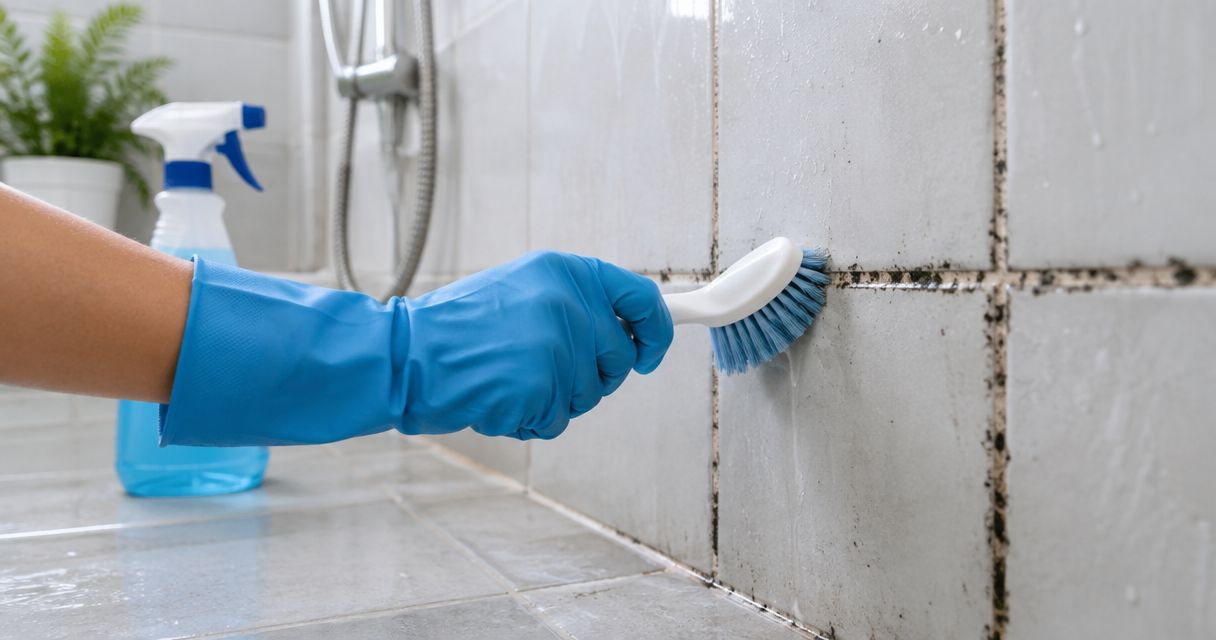
Grout cleaning can remove surface mold from bathroom tile and grout, but it cannot fix mold behind tile or eliminate the moisture causing it. Black staining alone does not identify a mold species, and discoloration can remain after cleaning; damaged grout, contaminated caulk, or wet backing requires a different repair.
- Can grout cleaning remove black mold? Yes, on accessible surfaces; hidden growth and moisture problems need separate attention.
- EPA guidance puts mold areas larger than about 10 square feet outside its usual small-area cleanup advice.
- PowerPro Carpet Cleaning provides tile/grout cleaning, not a stated mold-remediation service.
- Clean the surface, correct the moisture source, and replace damaged materials when needed.
Why this matters
A cleaner-looking shower is not proof that a mold problem is resolved. You need to distinguish surface buildup from deteriorated joints and water entering the wall or floor beneath them.
In 2026, the practical decision remains the same: choose cleaning for accessible surface contamination, and choose investigation or repair when moisture extends beyond the surface. Before selecting equipment or chemicals, review the differences between tile and grout cleaning methods. A stronger cleaning method does not replace a sound shower enclosure.
For homeowners in Manalapan Township and surrounding New Jersey communities, the useful question is not simply whether the grout will look lighter. It is whether cleaning addresses the affected material—and whether that material can stay dry afterward.
Can grout cleaning remove black mold in bathroom tile?
Yes, grout cleaning can remove mold growing on accessible bathroom surfaces. The result depends on where the growth is located, whether the grout remains sound, and whether the moisture source has been corrected.
The U.S. Environmental Protection Agency's household mold guidance distinguishes cleaning hard surfaces from dealing with moldy porous materials. Tile, cement-based grout, flexible caulk, and wall backing are not interchangeable surfaces.
| Condition | Best for | What the approach accomplishes | Main limitation |
|---|---|---|---|
| Surface growth on sound tile and grout | Cleaning the accessible affected area | Removes surface contamination and accumulated residue | Does not address a concealed leak or wet backing |
| Discolored or deteriorated caulk | Removing and replacing affected caulk after correcting moisture | Replaces a failing joint material | New caulk does not repair damage behind the joint |
| Cracked or crumbling grout | Assessing and repairing the damaged joint | Restores damaged grout where appropriate | Regrouting alone does not repair waterproofing |
| Loose tile, soft backing, or persistent dampness | Investigating the assembly and arranging appropriate repair | Addresses damage that surface cleaning cannot reach | Requires work beyond an ordinary cleaning appointment |
The location of the growth matters more than how black the grout looks. Describe the material and the damage before choosing a service.
Surface mold: cleaning is the first option for sound materials
Surface cleaning fits a limited affected area with intact tile, firm grout, and no evidence of water damage behind the finish. Soap residue and other deposits also need removal so you can inspect the joint itself.
Use a cleaning product compatible with the tile and grout, and follow its label. Natural stone needs particular care: an acidic cleaner suitable for some surfaces can etch acid-sensitive stone.
The advantage is straightforward: cleaning addresses accessible contamination without replacing sound material. The limitation is equally important: a stain can remain, and a clean surface does not establish that the backing is dry.
Do not promise yourself a return to the grout's original color. Removal of visible growth and restoration of appearance are separate outcomes. If discoloration remains, assess the condition rather than repeatedly applying stronger chemicals.
Mold in caulk: replacement can be necessary
The flexible joint along a tub, shower tray, or change of plane is often caulk, not grout. Check which material you are looking at before requesting grout cleaning.
When caulk has separated, deteriorated, or remains affected beneath its exposed surface, cleaning alone does not restore the joint. Removing the affected caulk allows the underlying area to be assessed before a suitable replacement is installed.
Replacement addresses failed material, but it has a limit: covering a damp or damaged joint with new caulk conceals the problem rather than correcting it. Do not apply fresh caulk over visible mold or an unresolved leak. Follow the replacement product's preparation and curing instructions before using the shower.
Mold behind tile: surface cleaning is not remediation
Loose tile, soft wall material, persistent dampness, or a recurring musty odor calls for investigation. These signs do not prove a particular mold species, but they are reasons not to treat the job as cosmetic cleaning alone.
A concealed moisture problem can involve plumbing, joints, or the waterproofing assembly. Cleaning the exposed grout cannot remove affected backing that the cleaner cannot reach.
The benefit of investigation is finding the source before another surface treatment hides it. The drawback is disruption: access and repairs can extend beyond the visibly stained area. That is still a better decision than repeatedly cleaning a shower that continues to get wet internally.
Why grout-cleaning results vary
The same-looking black line can require different work. These factors determine whether cleaning is an appropriate starting point:
- Affected material: Glazed tile, porous grout, flexible caulk, and wall backing require different treatment decisions.
- Joint condition: Firm grout is different from a joint that cracks, sheds material, or separates from the tile.
- Growth location: Accessible contamination can be cleaned; concealed contamination requires access and assessment.
- Moisture source: Shower spray, condensation, and plumbing leaks need different corrections.
- Surface compatibility: Tile finishes and natural stone restrict which chemicals and tools are suitable.
- Affected area: A small surface patch is a different cleanup situation from extensive growth or water damage.
Tell the person assessing the bathroom which conditions you have observed. A description such as “black caulk at the tub edge with a loose tile above it” is more useful than “dirty grout.”
How should you approach a mold-stained shower?
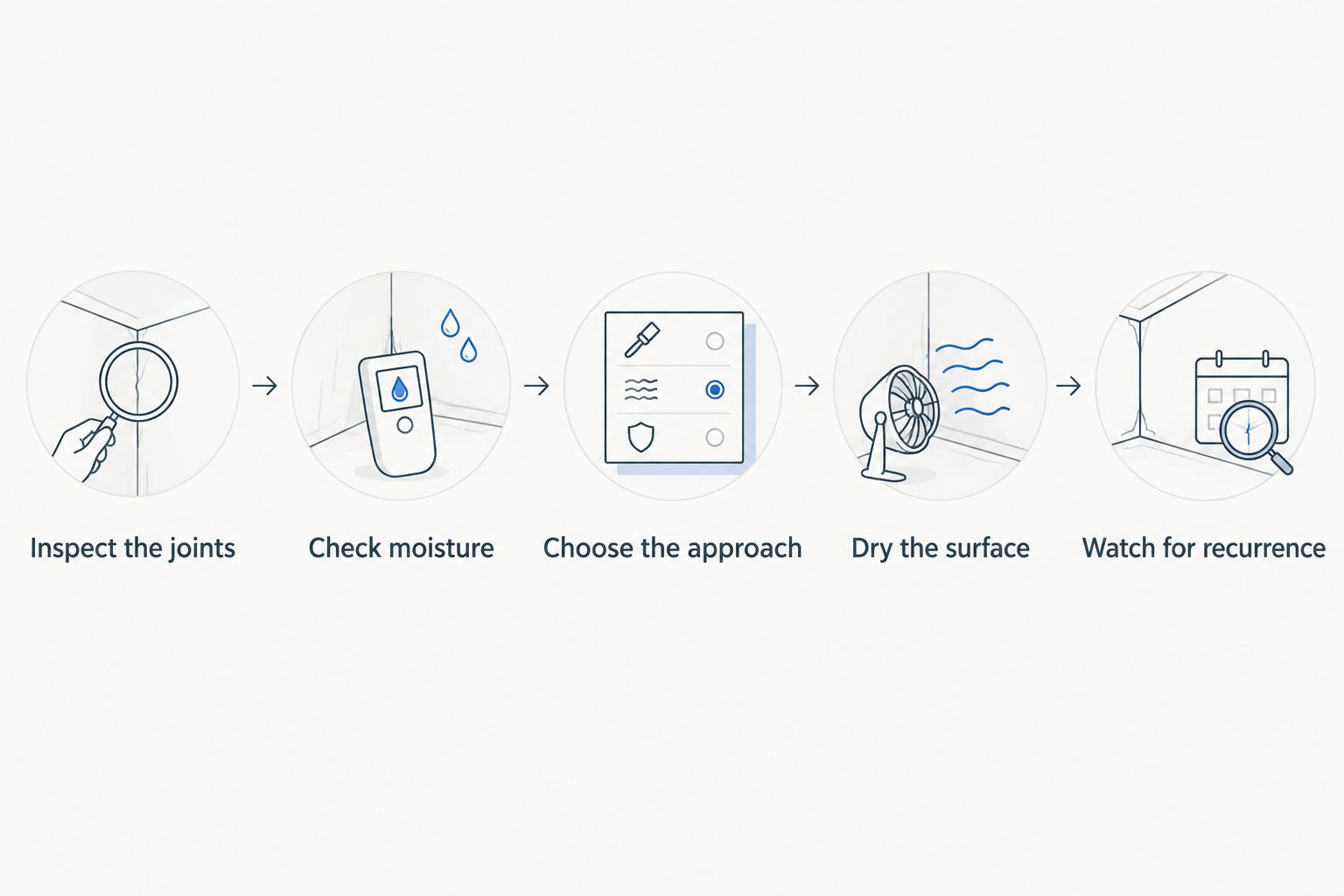
Use this sequence to separate a cleaning job from a repair job. Stop before cleaning if the affected area is extensive, sewage is involved, or the material appears damaged.
- Inspect the joints. Identify grout versus caulk, then look for cracks, separation, loose tile, and soft adjacent surfaces. Do not remove tiles merely to investigate a suspected hidden problem yourself.
- Check moisture. Look for visible leaks and places that remain wet. Arrange repair of an active leak rather than scheduling repeated cosmetic treatments.
- Choose the approach. For a small, accessible area on sound material, follow an appropriate cleaning method and product label. Escalate damaged or concealed conditions to a qualified professional.
- Dry the surface. Remove cleaning residue as directed and dry the area thoroughly. Do not seal over a damp or visibly affected joint.
- Watch for recurrence. Check whether staining or growth returns and whether the joint stays wet. Recurrence is a reason to reassess moisture and material condition, not simply increase chemical strength.
Photograph the affected area before work and after it dries. A consistent view helps you explain where the problem returns without relying on memory or comparing a wet joint with a dry one.
What are the safe cleanup limits in 2026?
EPA household guidance says you can generally handle a moldy area smaller than about 10 square feet yourself, subject to the circumstances. That is not a guarantee that every small patch is suitable for DIY work; extensive water damage, contaminated water, and health concerns change the decision.
EPA recommends gloves, goggles, and an N95 respirator for mold cleanup. People with health concerns should consult a healthcare professional before participating. Do not dry-brush or sand moldy joints as a routine cleaning shortcut.
Never mix bleach with ammonia or other cleaners. Follow the product label, including ventilation and contact-time directions, rather than improvising a stronger solution. EPA does not recommend routine biocide use as the standard answer to every household mold problem.
For moisture prevention, EPA recommends indoor relative humidity ideally between 30% and 50%. Its water-damage guidance also emphasizes drying wet materials within 24–48 hours to help prevent mold growth; this is a prevention target, not a promised grout-cleaning drying time.
Use these EPA household cleanup and moisture-control principles when planning bathroom maintenance in 2026. A surface cleaner cannot compensate for materials that remain wet.
Will black grout become white again after cleaning?
Surface mold removal does not guarantee color restoration. Grout can retain discoloration, and the dark material might include soil, residue, or staining rather than mold alone.
Assess the joint after cleaning and drying before deciding on cosmetic work. Do not use color change as the only measure of whether the underlying moisture problem has been addressed.
Does sealing grout stop bathroom mold?
Grout sealer does not eliminate mold or repair a leak. A suitable sealer can help limit absorption in compatible grout, but it does not replace ventilation, sound joints, or waterproofing.
Confirm the grout type and manufacturer's instructions before applying a sealer. Some grout products do not require the same sealing approach as traditional cement-based grout.
When should you call a tile and grout cleaner?
Call for surface cleaning when the tile and grout are sound and you need accumulated soil, residue, or accessible staining assessed. Explain any suspected mold, recurring growth, leaks, or damaged joints before booking so the service scope is clear.
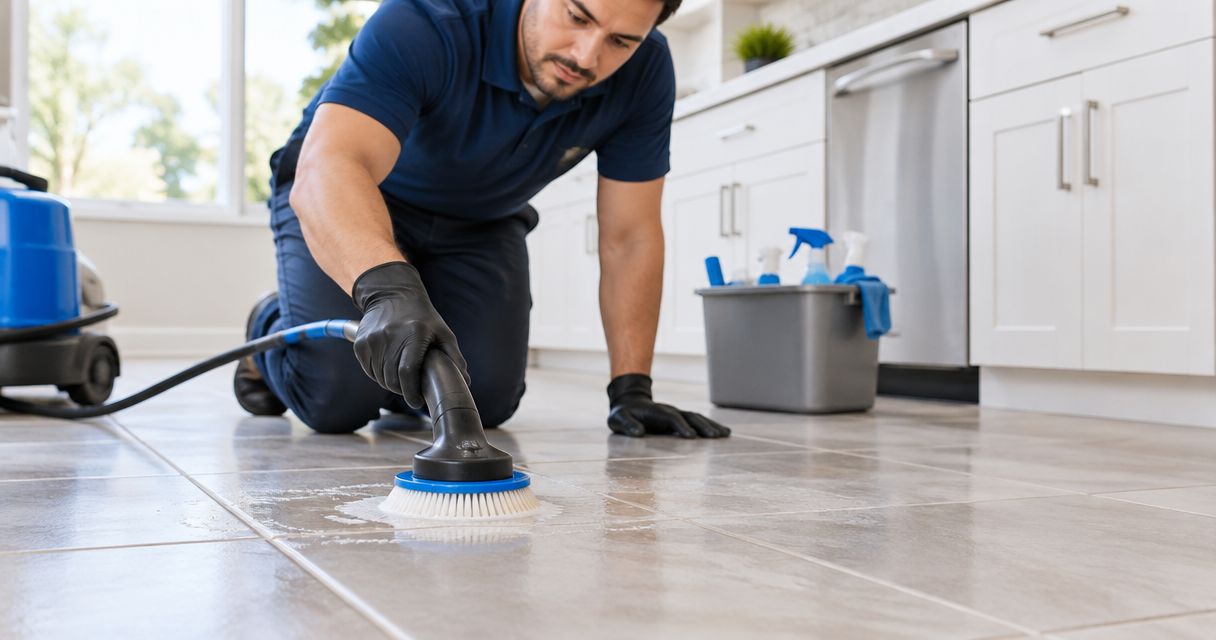
PowerPro Carpet Cleaning is a local option for homeowners and businesses seeking tile/grout cleaning in Manalapan Township and surrounding Central and North New Jersey counties. The family-owned business lists tile/grout cleaning among its services; mold remediation is not a stated service.
That distinction sets a useful boundary. PowerPro Carpet Cleaning fits a surface-cleaning inquiry, but a standard cleaning appointment should not be treated as an assessment of concealed mold or structural water damage.
For a 2026 cleaning appointment, call and describe the affected material, the approximate area, and whether the discoloration returns. Ask what the cleaning includes and whether the reported conditions need another professional first. Get the scope settled before the work starts.
Ask About Tile And Grout Cleaning
Describe the staining, joint condition, and any recurring moisture before arranging service.
FAQ
Can grout cleaning remove black mold completely?
Grout cleaning can remove accessible surface mold, but it cannot guarantee removal from deeper porous material or behind tile. Correct the moisture source and assess damaged joints separately.
How big a mold patch can I clean myself?
EPA household guidance generally allows DIY cleanup for an affected area smaller than about 10 square feet, depending on the circumstances. Extensive water damage, contaminated water, hidden growth, or health concerns warrant professional advice.
Is black mold on shower grout always toxic black mold?
No. Black color does not identify a mold species or establish its health risk. Address visible growth and moisture rather than diagnosing mold by appearance.
Should I use bleach on moldy bathroom grout?
Bleach is not the automatic first choice for moldy bathroom grout. EPA does not recommend routine biocide use for every cleanup; use a surface-compatible method and never mix cleaning chemicals.
Why does mold come back after I clean the shower?
Recurring mold means the conditions supporting growth have not been fully corrected. Check persistent moisture, ventilation, failed joints, and possible concealed water damage rather than relying on repeated surface cleaning.
Does PowerPro Carpet Cleaning offer mold remediation?
PowerPro Carpet Cleaning lists tile/grout cleaning among its services, but mold remediation is not a stated service. Describe suspected mold and any damage before arranging a cleaning appointment.
What humidity should I aim for to help prevent bathroom mold in 2026?
EPA recommends indoor relative humidity ideally between 30% and 50%. Moisture control also requires fixing leaks and drying wet materials; humidity alone does not establish that a shower assembly is dry.
One last thing
Check the joint after it dries, not just while it is freshly cleaned. Wet grout and dry grout can look different, so an immediate color comparison can mislead you about the result.
Make your 2026 bathroom maintenance plan about keeping sound materials clean and dry—not repeatedly whitening the same damaged line. If growth returns, stop treating the stain as the whole problem.